
Welding on a vehicle can affect its electronics. Sparks and heat may pose risks.
Modern vehicles are packed with electronic systems. These systems control everything from engines to entertainment. Welding can create electrical surges or heat damage. This can harm delicate circuits. So, it’s important to know the risks and take precautions. Understanding these risks helps you avoid costly repairs.
It also ensures your vehicle remains in top shape. In this blog, we’ll explore how welding might damage vehicle electronics. We’ll also discuss ways to protect these systems. This knowledge is vital for both DIY enthusiasts and professionals. Read on to learn more and keep your vehicle safe.
Introduction To Welding On Vehicles
Welding on vehicles can be tricky. It is needed to fix or modify parts. This process joins metal pieces together. It makes vehicles strong and durable.
Vehicles need welding for many reasons. Rust can weaken metal parts. Welding repairs these parts. Sometimes, new parts are added to a vehicle. Welding helps attach these parts securely. It is also used in making custom changes. This is common in car modifications.
There are different types of welding used on vehicles. MIG welding is popular. It is easy and quick. TIG welding is another type. It is more precise but slower. Spot welding is used for thin metal sheets. Each type has its own use.
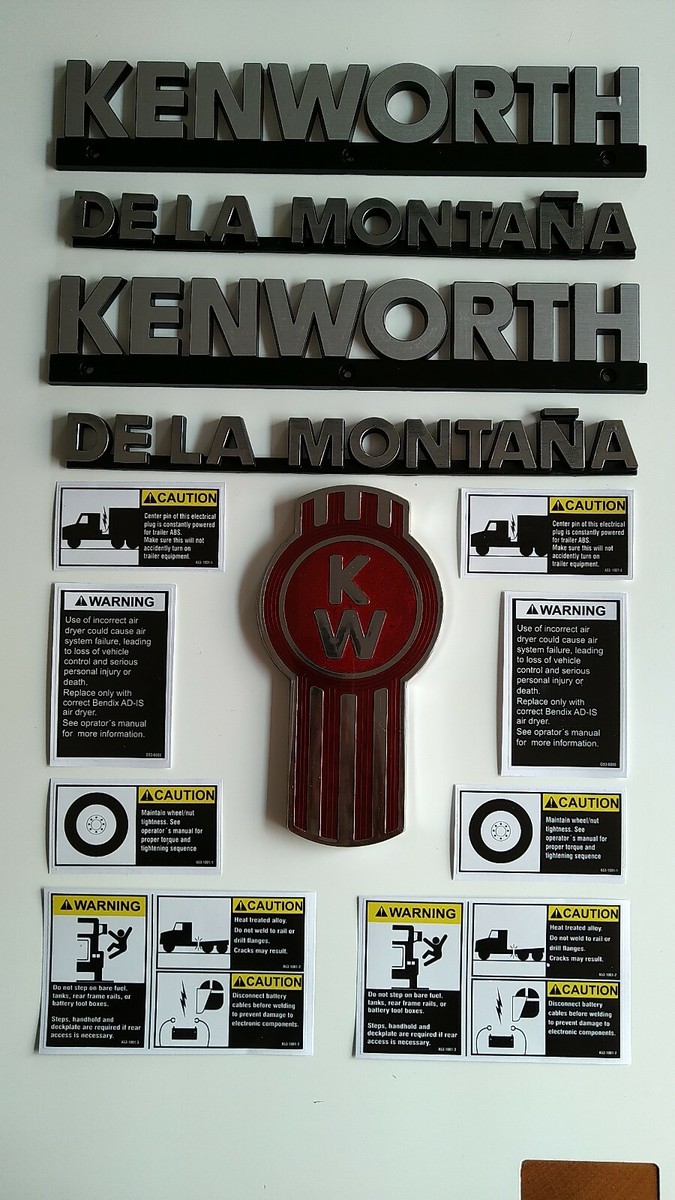
Credit: www.ebay.com
Potential Risks To Vehicle Electronics
Vehicle electronics are very sensitive. Welding can cause high electrical surges. These surges can damage important systems. Computers and sensors may stop working. Electrical circuits might get fried. Protection is needed.
Sparks from welding can harm wiring. Heat can melt wires. Spikes in voltage can ruin electronic parts. Static electricity can cause malfunctions. Each type is serious. Take care to prevent damage.
Mechanism Of Electrical Damage
Welding can create electrical surges. These surges may harm vehicle electronics. Surges can fry sensitive circuits. This can lead to costly repairs. Always disconnect the battery before welding. This reduces the risk of surges.
Poor grounding can cause electric shocks. It can damage electronic systems. Always use a proper ground clamp. Connect it close to the welding area. This helps avoid unwanted currents. Proper grounding ensures safety and protects electronics.

Credit: www.reddit.com
Safety Precautions During Welding
Disconnect the battery before welding on a vehicle. This step is very important. It helps prevent damage to the vehicle’s electronics. Always remove the negative terminal first. This reduces the risk of short circuits. Ensure the battery is kept away from the welding area. Sparks can cause it to explode. Safety first!
Surge protectors protect your vehicle’s electronics. They stop voltage spikes during welding. Connect a surge protector to the battery terminals. This simple device can save your car’s computer and other systems. Always check the protector is working before you start welding. It’s a small step with big benefits.
Protecting Sensitive Components
Welding can harm a vehicle’s electronics. Shielding methods are vital. Use metal sheets to cover sensitive parts. This blocks electrical noise. Place heat-resistant blankets over wires. This prevents heat damage. Use clamps to hold shields in place. Ensure all cables are insulated. This stops short circuits. Disconnect the battery before welding. This avoids power surges. Proper shielding protects your vehicle.
Remove important parts before welding. Start with the battery. Take out the ECU. This is the car’s computer. Next, remove the alternator. Also, take out any sensors. Removing these parts prevents damage. Put them back after welding. Make sure to reconnect everything properly. This keeps your car safe.

Credit: www.amazon.com
Tools And Equipment For Safe Welding
Choose the right welding machine for your task. A MIG welder is good for cars. It is easy to use and does not cost much. TIG welders are better for detailed work. They are harder to use but give a nice finish. Always check the machine’s settings. Keep it on the right power level.
Always wear the right safety gear. This includes a welding helmet to protect your eyes. Wear gloves to protect your hands. A welding jacket keeps your body safe from sparks. Make sure to have ear protection too. Sparks can be very loud and damage your ears. Safety is very important.
Best Practices For Minimizing Risks
Proper grounding helps prevent damage to vehicle electronics. Always attach the ground clamp as close as possible to the welding area. This reduces the risk of electrical interference. A clean, paint-free surface is essential. Ensure the grounding surface is free of rust and dirt. This improves electrical contact. Regularly check the grounding connections. Ensure they are secure and tight. Loose connections can cause electrical spikes.
A safe work environment is crucial. Remove any electronic devices from the vehicle. This includes radios, GPS devices, and other gadgets. Disconnect the battery before starting any welding. This prevents electrical surges. Keep a fire extinguisher nearby. Sparks can cause fires. Ensure good ventilation in the workspace. This prevents inhalation of harmful fumes. Always wear protective gear. Gloves, goggles, and a welding helmet are essential.
Case Studies Of Welding-induced Damage
Welding on a vehicle can harm its electronics. Sparks and heat may damage sensitive components. Proper precautions are crucial.
Real-life Examples
Welding can harm vehicle electronics. Many mechanics have shared their stories. One mechanic welded a car without disconnecting the battery. The car’s computer got fried. Another tried to weld near the engine. It caused a short circuit. The car wouldn’t start afterward.
A different example involves a welding job on a truck. The radio stopped working. The GPS was also affected. Repair costs were high. These stories show the risks. It’s important to take precautions. Disconnect the battery. Shield sensitive parts.
Lessons Learned
Always disconnect the battery before welding. Use a surge protector. Shield electronics from sparks. Avoid welding near critical parts. Test electronics after welding. Fix issues immediately. Learn from others’ mistakes. These steps help prevent damage. Safety first.
Repairing Electronic Damage
Start by checking the vehicle’s battery. Look for signs of damage. Check the fuse box for any blown fuses. Inspect the wiring for burnt or melted spots. Use a multimeter to test the circuits. Ensure all connections are tight and secure. Any loose connections can cause issues. Sensors and control modules should be carefully examined. These parts are sensitive to voltage spikes. Visual inspection is key. Look for any obvious damage.
Replace any damaged fuses immediately. Repair or replace burnt wiring. Ensure all connections are properly insulated. Use heat shrink tubing for better protection. Check and reset any tripped breakers. Reflash or reprogram control modules if needed. Grounding straps should be checked. Ensure they are intact and secure. Professional help might be required for complex repairs. Always double-check your work. Make sure everything is safe and secure.
Conclusion And Final Tips
Welding on a vehicle can damage electronics. Use proper tools and follow safety steps. Disconnect the battery before starting. Protect sensitive components with barriers. Ground the welding machine close to the work area. This reduces the risk of electric shock.
Always check for hidden wires and cables. Keep them away from heat and sparks. Use a surge protector to guard against voltage spikes. Inspect your vehicle after welding for any issues. Regular maintenance helps keep electronics safe.
Frequently Asked Questions
Can Welding Damage A Vehicle’s Electronics?
Yes, welding can harm a vehicle’s electronics. It can create electrical surges.
How Do I Protect My Vehicle’s Electronics During Welding?
Disconnect the battery. Unplug the ECU and other sensitive electronics.
Should I Remove The Car Battery Before Welding?
Yes, always remove or disconnect the car battery before welding.
What Happens If I Don’t Disconnect The Battery?
Electrical surges can damage the vehicle’s electronics and battery.
Are There Welding Techniques Safer For Electronics?
Yes, use MIG welding. It’s generally safer for vehicle electronics.
Can Welding Affect The Vehicle’s Computer System?
Yes, welding can damage the vehicle’s computer system. Always disconnect it.
Is Professional Help Needed For Welding On A Vehicle?
Yes, it’s advisable. Professionals know how to protect electronics during welding.
Conclusion
Welding on a vehicle can harm its electronics. Safety measures are crucial. Always disconnect the battery before welding. Use a surge protector for added safety. Consult a professional if unsure. These steps help protect your vehicle’s sensitive electronics. Stay informed and cautious.
Your vehicle’s health is important. Follow these tips to avoid damage.