
5G is better than LTE due to its higher speeds and lower latency. LTE is still widely used for reliable connectivity.
5G technology represents the next generation of mobile networks, offering unprecedented speed and efficiency. It enables faster data transfer rates, reduced latency, and improved connectivity. This makes it ideal for applications like autonomous vehicles, smart cities, and advanced IoT devices.
LTE, on the other hand, remains a robust and reliable option, especially in areas where 5G infrastructure is not yet fully deployed. LTE provides strong coverage and dependable performance for everyday mobile use. As 5G continues to expand, it will gradually replace LTE, bringing enhanced capabilities to users worldwide. For now, both technologies play crucial roles in modern communication.
What Is Lte?
LTE stands for Long-Term Evolution. It is a standard for wireless broadband communication. LTE is a step up from older technologies like 3G. It offers faster speeds and better connectivity.
Basic Concepts
LTE uses advanced techniques to improve data transmission. It employs Orthogonal Frequency-Division Multiplexing (OFDM). This technique helps in better data rates and efficient bandwidth usage.
LTE also uses Multiple Input Multiple Output (MIMO). MIMO increases data throughput and efficiency. It uses multiple antennas at both the transmitter and receiver ends.
Key Features Of Lte
- High Data Rates: LTE offers peak download rates of 100 Mbps.
- Low Latency: LTE ensures minimal delay in data transmission.
- Scalability: LTE can handle more users and devices.
- Improved Spectrum Efficiency: LTE uses the available bandwidth more effectively.
| Feature | Description |
|---|---|
| High Data Rates | Up to 100 Mbps for downloads and 50 Mbps for uploads. |
| Low Latency | Latency as low as 10 milliseconds. |
| Scalability | Supports a large number of users. |
| Improved Spectrum Efficiency | Uses bandwidth more efficiently for better performance. |
What Is 5g?
5G stands for the fifth generation of wireless technology. It promises faster speeds, lower latency, and more reliable connections. This new technology is a big step from the previous generation, LTE.
Core Principles
The core principles of 5G revolve around three main areas:
- Enhanced Mobile Broadband (eMBB): Faster speeds for mobile users.
- Ultra-Reliable Low Latency Communications (URLLC): Near-instant response times.
- Massive Machine Type Communications (mMTC): Connecting many devices at once.
These principles aim to improve connectivity and user experience. They also pave the way for new technologies like smart cities and IoT.
Unique Characteristics Of 5g
5G has several unique characteristics that set it apart:
| Characteristic | Description |
|---|---|
| Speed | 5G can reach speeds up to 10 Gbps. |
| Latency | 5G has a latency as low as 1 ms. |
| Capacity | 5G supports up to 1 million devices per square kilometer. |
| Frequency Bands | 5G uses a broader range of frequencies, including mmWave. |
These characteristics enable 5G to handle more data and provide a better user experience. They also support advanced applications like augmented reality and autonomous vehicles.
Speed Comparison
Comparing the speeds of 5G and LTE can be quite revealing. 5G offers significant improvements over LTE. Let’s dive into the details of download speeds and upload speeds for both technologies.
Download Speeds
Download speeds determine how fast you can get data from the internet. 5G has a clear edge over LTE in this area.
| Technology | Average Download Speed | Peak Download Speed |
|---|---|---|
| 5G | 100-400 Mbps | Up to 10 Gbps |
| LTE | 10-50 Mbps | Up to 300 Mbps |
As shown in the table, 5G can be up to 20 times faster than LTE. This means quicker downloads for movies, games, and apps.
Upload Speeds
Upload speeds are crucial for sending data to the internet. This includes activities like uploading videos or photos.
- 5G Upload Speeds: 50-100 Mbps on average.
- LTE Upload Speeds: 5-20 Mbps on average.
5G provides a significant boost in upload speeds compared to LTE. Faster upload speeds mean smoother video calls and quicker file uploads.
In summary, 5G is much faster than LTE in both download and upload speeds. This makes 5G the better choice for speed.
Latency Differences
Latency is the time taken for data to travel from one point to another. It directly impacts the speed and quality of your internet connection. Understanding the differences in latency between 5G and LTE can help you choose the right technology for your needs.
Impact On User Experience
Latency significantly impacts user experience. 5G offers lower latency than LTE. This means faster response times for users.
With 5G, you can enjoy quicker web page loads and more responsive apps. LTE is slower, leading to lag in video calls and gaming. 5G ensures smoother experiences for real-time applications.
Real-world Examples
Let’s look at some real-world scenarios to understand the latency differences.
| Activity | 5G Latency | LTE Latency |
|---|---|---|
| Video Streaming | Less than 10ms | 30-50ms |
| Online Gaming | 1-5ms | 20-30ms |
| Video Calling | Under 10ms | 30-50ms |
- 5G offers faster response times for video streaming, reducing buffering.
- Online gaming with 5G feels smoother and more responsive.
- Video calling experiences fewer delays with 5G compared to LTE.
- Choose 5G for real-time applications like gaming and video calls.
- For general browsing and social media, LTE is still adequate.
Coverage And Availability
The debate between 5G and LTE often centers on Coverage and Availability. Understanding where each technology excels is crucial. Let’s dive deeper into the specifics.
Urban Vs Rural Areas
5G networks thrive in urban areas due to higher infrastructure investments. Cities benefit from dense networks of small cells. This ensures faster speeds and lower latency. Urban users often experience the full potential of 5G.
In rural areas, the story changes. LTE often outperforms 5G. The reason? LTE towers cover larger distances. This makes LTE more reliable in remote locations. 5G’s small cells struggle with vast rural expanses.
| Feature | Urban Areas | Rural Areas |
|---|---|---|
| 5G | High speed, low latency | Limited coverage |
| LTE | Moderate speed, reliable | Wide coverage, very reliable |
Global Adoption
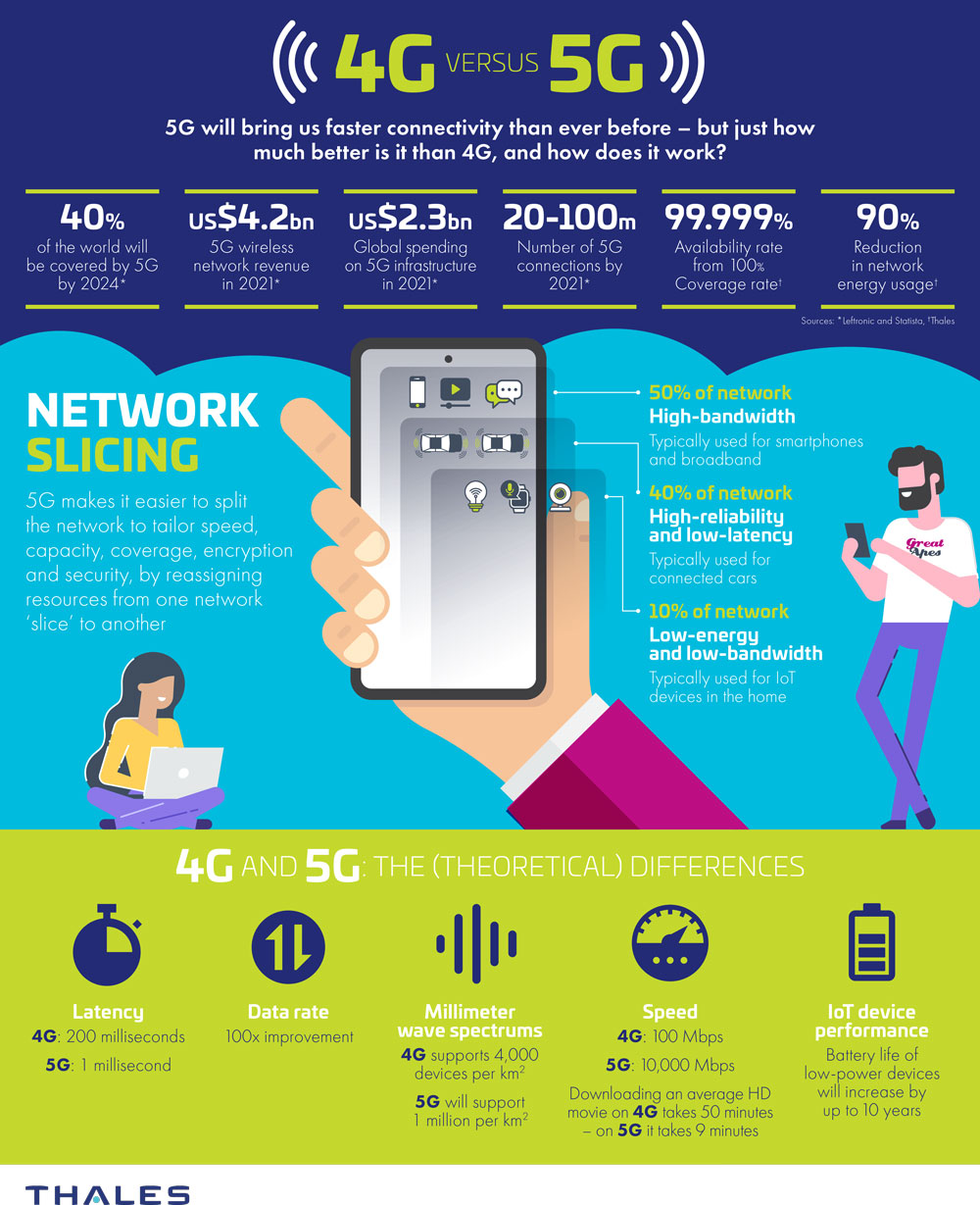
The global rollout of 5G is growing but varies by region. Developed nations are leading the charge. Asia and North America have seen rapid 5G deployment. In contrast, many developing countries still rely heavily on LTE.
Let’s look at some key points:
- Asia: China and South Korea are 5G pioneers.
- North America: The U.S. and Canada have robust 5G networks.
- Europe: Mixed adoption rates, with some countries ahead.
- Africa: Predominantly relies on LTE due to cost constraints.
The adoption of 5G is a gradual process. LTE remains a strong contender for global coverage. This balance between 5G and LTE will continue to evolve.
Credit: www.thalesgroup.com
Device Compatibility
Understanding device compatibility is crucial when deciding between 5G and LTE. Different devices support different networks. This guide breaks down which devices are compatible with each network.
5g-ready Devices
5G-ready devices are designed to work on the latest network. These devices include the newest smartphones and tablets. Some popular 5G devices are:
- iPhone 12 and newer
- Samsung Galaxy S21
- OnePlus 9 Pro
- Google Pixel 5
These devices support the faster speeds and lower latency of 5G. They offer better performance in streaming, gaming, and video calls.
| Brand | Model | 5G Compatibility |
|---|---|---|
| Apple | iPhone 12 | Yes |
| Samsung | Galaxy S21 | Yes |
| OnePlus | 9 Pro | Yes |
| Pixel 5 | Yes |
Lte-compatible Gadgets
Many devices still run on LTE networks. These include older smartphones and tablets. Some common LTE devices are:
- iPhone 11 and older
- Samsung Galaxy S10
- Google Pixel 4
- LG V40
These devices offer reliable performance but at slower speeds than 5G. They are perfect for browsing, social media, and standard apps.
| Brand | Model | LTE Compatibility |
|---|---|---|
| Apple | iPhone 11 | Yes |
| Samsung | Galaxy S10 | Yes |
| Pixel 4 | Yes | |
| LG | V40 | Yes |
Cost Implications
Understanding the cost implications of 5G versus LTE is essential. Both technologies come with different pricing plans and infrastructure costs. Let’s dive into the details to help you make an informed decision.
Pricing Plans
The cost of pricing plans for 5G and LTE varies. LTE plans are generally more affordable. Many providers offer budget-friendly options for LTE. On the other hand, 5G plans tend to be more expensive. This is due to the advanced technology and faster speeds. Below is a comparison table for a clearer understanding.
| Technology | Basic Plan Cost | Premium Plan Cost |
|---|---|---|
| LTE | $20/month | $50/month |
| 5G | $30/month | $70/month |
Infrastructure Costs
Infrastructure costs for 5G are significantly higher. Deploying 5G networks requires new equipment. This includes small cells and fiber optics. LTE infrastructure is already widely established. Therefore, the cost to maintain LTE is lower. Below are the key points:
- 5G requires new small cell towers.
- Fiber optics are essential for 5G.
- LTE uses existing cell towers.
- Maintenance costs for LTE are lower.
Overall, 5G offers faster speeds but at a higher cost. LTE remains a cost-effective option for many users.
Energy Efficiency
Energy Efficiency is a significant factor when comparing 5G and LTE. Both technologies offer different levels of energy consumption. Let’s dive into the specifics to understand their impact on battery life and the environment.
Battery Life
Battery life is crucial for mobile device users. LTE consumes less power compared to 5G. In everyday use, LTE can extend your phone’s battery life. On the other hand, 5G provides faster speeds but drains the battery quicker.
Here is a comparison table:
| Technology | Battery Consumption |
|---|---|
| LTE | Low |
| 5G | High |
Environmental Impact
Environmental impact is another essential aspect. LTE networks require fewer resources to operate. Hence, they are more eco-friendly. On the contrary, 5G infrastructure demands more energy and resources. This results in a higher carbon footprint.
Here are some key points:
- LTE: Uses less energy, resulting in lower environmental impact.
- 5G: Consumes more power, leading to increased carbon emissions.
Understanding these differences helps in making more eco-conscious choices.
Security Concerns
5G and LTE are both popular mobile network technologies. Each has its own security concerns. Understanding these concerns can help users make informed choices. This section will explore the security aspects of both technologies.
Encryption Standards
Encryption is essential for protecting data. 5G uses advanced encryption methods compared to LTE. 5G employs 256-bit encryption, making it more secure. LTE mainly uses 128-bit encryption, which is less robust.
| Technology | Encryption Standard |
|---|---|
| 5G | 256-bit encryption |
| LTE | 128-bit encryption |
Potential Vulnerabilities
Both 5G and LTE have potential vulnerabilities. 5G is newer and less understood, making it a target for hackers. LTE has been around longer, so its vulnerabilities are well-known.
- 5G: Newer technology, potential unknown exploits
- LTE: Older technology, known vulnerabilities
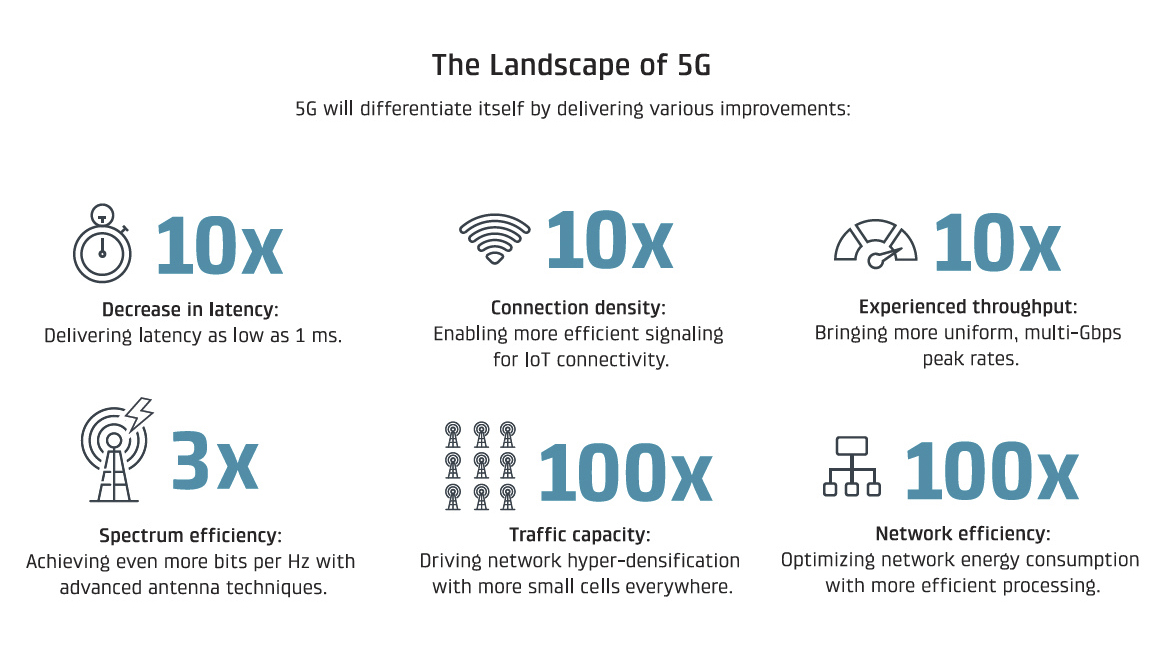
Security experts continuously study these technologies. They aim to find and fix vulnerabilities. Both 5G and LTE have their own sets of risks and protections. Users should stay informed about updates and patches.
Credit: www.digitaltrends.com
Future Prospects
5G and LTE are both powerful technologies. The future holds exciting developments for both. But which one will lead the way? Let’s explore what lies ahead.
Upcoming Technologies
Many new technologies will rely on 5G. Self-driving cars need fast, reliable networks. Smart cities will use 5G for better management. Augmented Reality (AR) and Virtual Reality (VR) will become more common.
LTE also has some room to grow. New improvements can make LTE faster. But these changes may not match 5G’s speed. LTE may still be useful where 5G is not yet available.
Long-term Benefits
5G offers many long-term benefits. It can support more devices at once. This is great for the Internet of Things (IoT). It also has lower latency. This means faster responses in real-time applications.
LTE’s long-term benefits are fewer. It will continue to serve in areas without 5G. It may also be cheaper for some users. But 5G is likely to become the new standard.
| Feature | 5G | LTE |
|---|---|---|
| Speed | Very High | Moderate |
| Latency | Very Low | Higher |
| Device Support | High | Limited |
In summary, the future is bright for both 5G and LTE. But 5G has more promise. It will drive many new technologies. LTE will still be useful in some areas. Yet, 5G is set to lead the way.
Use Cases
5G and LTE are the two main cellular technologies today. They serve different purposes and have unique strengths. Understanding their use cases can help you decide which is better for your needs.
Consumer Applications
5G offers faster speeds and lower latency, perfect for gaming and streaming. You can download movies in seconds and enjoy buffer-free video calls. Virtual Reality (VR) and Augmented Reality (AR) are also more responsive with 5G. Smart homes benefit from 5G’s quick response times, making device control almost instant.
LTE is more widely available and reliable in many areas. It’s great for browsing the web, social media, and email. Voice calls and text messaging are also well-supported. LTE is often sufficient for standard-definition streaming and basic online games.
Industrial Applications
5G excels in industrial settings due to its low latency and high speed. Smart factories and automation processes benefit from 5G’s quick data transfer. Remote machinery control becomes more efficient, and real-time monitoring is more accurate. IoT devices in industrial applications communicate faster and more reliably with 5G.
LTE is still useful in many industrial scenarios. It is robust and can handle tasks like inventory management and fleet tracking. Remote sensors and data collection work well on LTE. For industries where high speed isn’t crucial, LTE is a dependable choice.
| Feature | 5G | LTE |
|---|---|---|
| Speed | Extremely Fast | Fast |
| Latency | Very Low | Low |
| Availability | Growing | Widespread |
| Best For | High-bandwidth applications | General use |
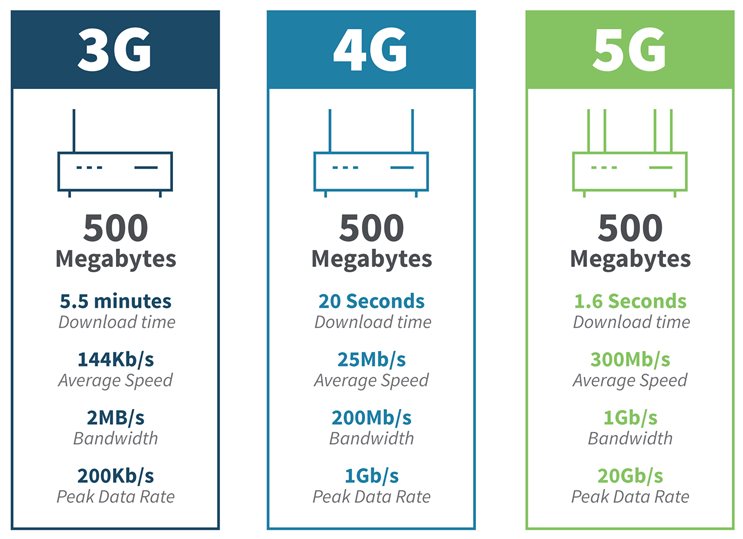
Use cases for both 5G and LTE depend on specific needs. Choose wisely based on your requirements.
Credit: www.digi.com
Frequently Asked Questions
Is It Better To Have Lte Or 5g?
5G is better than LTE for faster speeds, lower latency, and improved connectivity. LTE offers more widespread coverage. Choose 5G for cutting-edge performance, LTE for reliable coverage.
Is 5g Slower Than Lte?
5G is faster than LTE. It offers higher speeds, lower latency, and improved connectivity. 5G enhances mobile experience significantly.
Should I Use Lte Or 5g On My Iphone?
Use 5G on your iPhone for faster speeds and improved performance. Opt for LTE if you need better battery life.
What Is Better, 5g Or Lte At&t?
5G offers faster speeds and lower latency than LTE on AT&T’s network. It provides better performance for high-demand applications. LTE remains more widely available and reliable in areas without 5G coverage. Choose 5G for cutting-edge speed, but LTE is still a strong option for broader coverage.
What Is 5g Technology?
5G is the fifth generation of mobile network technology, offering faster speeds and lower latency than LTE.
How Fast Is 5g Compared To Lte?
5G can be up to 100 times faster than LTE, depending on network conditions and location.
Does 5g Have Better Coverage Than Lte?
5G coverage is expanding but LTE currently has broader coverage, especially in rural areas.
Is 5g Safer Than Lte?
5G and LTE are both considered safe, adhering to international health and safety standards.
Conclusion
Choosing between 5G and LTE depends on your needs. 5G offers faster speeds and lower latency. LTE provides wider coverage and is more reliable in some areas. Both have their advantages, so consider your priorities. Future-proofing your tech with 5G might be wise, but LTE remains a solid choice for many users.