
Video games have come a long way. Today, they are more advanced than ever.
“Video Game Tech Com Future War” explores the latest in gaming technology. This blog will discuss how these advancements shape the future of war-themed games. Video game technology is evolving fast. Graphics are more realistic, and AI is smarter. Players can now experience immersive worlds like never before.
This blog will examine the tech behind future war games. From virtual reality to advanced AI, we’ll uncover what’s driving these changes. Get ready to dive into the tech that will define the next generation of war games.

Credit: www.harpercollins.com
Introduction To Future War
Future War is not just a concept from science fiction. It is the next evolution in military strategy. With the rapid advancement of technology, the battlefield is changing. Tech is becoming more important in modern warfare. This blog post will delve into the concept of Future War and its significance.
Concept Of Future War
The concept of Future War revolves around the integration of advanced technologies. This includes AI, drones, and cyber warfare. These elements are reshaping how battles are fought. Traditional combat methods are evolving. New strategies and tools are emerging.
- AI: Artificial Intelligence can analyze data quickly.
- Drones: Unmanned vehicles provide surveillance and attack capabilities.
- Cyber Warfare: Attacking enemy systems through the internet.
These technologies offer both advantages and challenges. They can improve precision and reduce human casualties. But they also raise ethical and security concerns.
Importance Of Tech In Warfare
Tech plays a crucial role in modern warfare. It enhances communication, intelligence, and firepower. Having advanced tech can mean the difference between victory and defeat.
| Technology | Function |
|---|---|
| Satellite Communication | Real-time data and coordination |
| Cyber Defense | Protecting critical infrastructure |
| Drones | Surveillance and targeted strikes |
Advanced technologies improve decision-making. They provide real-time data and intelligence. This information is crucial for strategic planning.
- Faster Communication: Ensures quick response times.
- Better Surveillance: Monitors enemy movements effectively.
- Efficient Resource Use: Optimizes military assets.
In summary, Future War is about leveraging technology. It is about staying ahead of adversaries. Understanding these concepts is vital for anyone interested in modern warfare.
Evolution Of Video Game Tech
The evolution of video game technology has been nothing short of remarkable. From the humble beginnings of pixelated screens to today’s immersive virtual worlds, video game tech has transformed. This shift has impacted how we play, interact, and experience games. Let’s dive into the historical perspective and current innovations shaping this exciting journey.
Historical Perspective
Early video games were simple, with basic graphics and limited gameplay. Pong and Space Invaders are classic examples. These games laid the foundation for the industry. As technology advanced, so did video games. The introduction of 8-bit and 16-bit consoles marked a significant leap. Games like Super Mario Bros. and Sonic the Hedgehog captured imaginations. The 3D graphics era began with consoles like the PlayStation and Nintendo 64. These brought new dimensions to game design. Graphics became more realistic, and gameplay more complex.
Online gaming emerged next. This allowed players to connect and compete worldwide. Games like World of Warcraft and Counter-Strike became cultural phenomena. The rise of mobile gaming opened new avenues. It made games accessible to a broader audience. Titles like Angry Birds and Candy Crush Saga became household names.
Current Innovations
Today’s video game tech is pushing boundaries further. Virtual Reality (VR) and Augmented Reality (AR) offer immersive experiences. Players can now step inside their favorite games. Titles like Beat Saber and Pokémon GO showcase these technologies. Artificial Intelligence (AI) is also making waves. AI-driven characters and environments enhance gameplay. This makes games more responsive and engaging.
Cloud gaming is another exciting development. Services like Google Stadia and Xbox Cloud Gaming are gaining popularity. They allow players to stream games without high-end hardware. This makes gaming more accessible. Ray tracing technology is revolutionizing graphics. It provides realistic lighting and shadows, enhancing visual appeal. Games like Cyberpunk 2077 and Minecraft are examples.
Overall, the evolution of video game tech continues to amaze. Historical milestones and current innovations both play vital roles. The future of gaming looks promising and full of potential.
Role Of Ai In Future Battles
The role of AI in future battles is a fascinating topic. AI can change the way wars are fought. It brings new possibilities and challenges. This new technology will shape the strategies and decisions made on the battlefield.
Ai-driven Strategies
AI can analyze vast amounts of data quickly. It can suggest the best strategies based on that data. This helps commanders plan their moves more effectively. AI can also predict enemy actions. This allows for better preparation and counter-strategies.
AI-driven strategies can consider many factors. These include terrain, weather, and troop movements. AI can adapt to changing conditions. This makes strategies more flexible and responsive.
Real-time Decision Making
Real-time decision making is crucial in battles. AI can process information faster than humans. It can provide real-time updates on the battlefield. This helps commanders make quick decisions.
AI can also assist in communication. It can relay information between units instantly. This ensures that everyone is on the same page. Real-time data can improve coordination and efficiency.
AI can even control autonomous vehicles. Drones and robots can perform tasks without human intervention. This reduces risk to human soldiers and increases operational efficiency.
Virtual And Augmented Reality
Virtual and Augmented Reality (VR/AR) are transforming the gaming industry. These technologies create immersive experiences. They blend the real and virtual worlds. Players feel like they are inside the game. This is changing how we train and simulate battles.
Immersive Training
VR/AR provide realistic training environments. Soldiers can practice in safe, controlled spaces. They face lifelike scenarios. This helps them prepare for real-world missions. Training becomes more effective.
These technologies reduce costs. No need for expensive physical setups. Trainees can practice anywhere. Only VR/AR equipment is needed. This makes training more accessible.
Enhanced Battle Simulations
VR/AR enhance battle simulations. Soldiers experience realistic combat situations. They learn to react quickly. These simulations improve strategic thinking. Teams can practice coordination and tactics.
Simulations can be customized. Scenarios can be adjusted based on training needs. This flexibility enhances learning. It prepares soldiers for different types of missions.
Advanced Weaponry And Equipment
When it comes to the battlefield of the future in Video Game Tech Com’s Future War, the Advanced Weaponry and Equipment play a crucial role in determining the outcome. Let’s delve into the cutting-edge technology that powers the arsenal of the virtual warriors.
Smart Weapons
Equipped with AI technology, Smart Weapons in Future War can adapt to changing combat scenarios in real-time. These intelligent arms provide precision strikes, enhancing the strategic advantage for players.
Wearable Tech
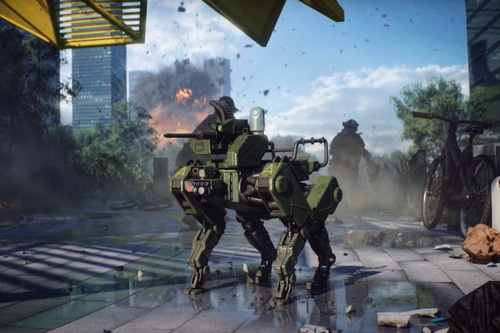
Wearable Tech is not just a fashion statement in this futuristic warfare setting. It offers players enhanced abilities, from augmented reality displays to biometric sensors, revolutionizing how battles are fought and won.
Credit: aibusiness.com
Cyber Warfare And Security
In the evolving landscape of video game technology, cyber warfare and security have become critical. Games now simulate complex cyber battles, providing valuable insights. These simulations help prepare for real-world threats. Understanding how to protect digital assets and infrastructure is essential.
Digital Battlefields
Modern video games simulate cyber warfare on digital battlefields. Players engage in hacking, data theft, and defense strategies. These scenarios mirror real-world cyber threats. Gamers learn to think like cyber warriors. They develop skills in cybersecurity and digital defense. The experience is both educational and thrilling.
Protecting Critical Infrastructure
In cyber warfare, protecting critical infrastructure is vital. Video games highlight the importance of securing systems. Players must defend power grids, water supplies, and communication networks. These simulations teach the significance of cyber resilience. Gamers understand the impact of cyber attacks. They learn strategies to safeguard essential services.
Impact On Soldier Training
The future of video game technology in warfare is transforming soldier training. This technology is reshaping how soldiers prepare for combat. It makes training more realistic and effective. Let’s explore how this happens.
Simulation-based Learning
Simulation-based learning creates a virtual battlefield. Soldiers can experience different scenarios. They can practice without real-world risks. This improves their decision-making skills.
Virtual reality (VR) and augmented reality (AR) are key tools. VR immerses soldiers in a computer-generated environment. AR overlays digital information on the real world. Both technologies enhance training.
| Technology | Benefits |
|---|---|
| Virtual Reality | Immersive, realistic scenarios |
| Augmented Reality | Real-world context with digital data |
Simulations can be repeated. Soldiers learn from their mistakes. They can improve their strategies. This continuous practice is invaluable.
Skills Enhancement
Video game technology also enhances specific skills. Soldiers can practice marksmanship in a virtual range. They can improve their accuracy and speed. They can also work on team coordination.
These technologies can simulate team missions. Soldiers learn to communicate and work together. This builds trust and teamwork.
Here are some skills enhanced by video game technology:
- Navigation: Soldiers learn to find their way in complex environments.
- Medical Training: They practice life-saving procedures without real casualties.
- Equipment Handling: Virtual practice with new tools and weapons.
Real-time feedback is another benefit. Soldiers receive immediate results on their performance. They can adjust their techniques quickly. This leads to faster learning and skill improvement.
Ethical Considerations
As video game technology advances, the concept of Future War raises several ethical concerns. These concerns are important to address to ensure responsible development and use of technology in gaming. This section will explore the moral implications and rules of engagement associated with Future War in video games.
Moral Implications
Video games often blur the lines between reality and fiction. This can lead to moral dilemmas. Future War games, with their realistic graphics and immersive environments, might desensitize players to violence. This raises questions about the impact on young minds.
Additionally, these games might glorify war and conflict. They can present a skewed perspective. Players might start seeing combat as a game, not a serious matter. This trivializes the real-life consequences of war.
Parents and educators should be aware of these risks. They need to ensure that children understand the difference between games and reality. Developers should also take responsibility. They must consider the moral impact of their creations.
Rules Of Engagement
Future War games often lack clear rules of engagement. In real combat, soldiers follow strict guidelines. These rules aim to protect civilians and ensure fair play. Video games, on the other hand, sometimes encourage players to break these rules.
This can set a dangerous precedent. Players might think that such behavior is acceptable. It can distort their understanding of ethics in real-life conflicts. Developers should strive to incorporate ethical guidelines into their games. This can help educate players about the importance of rules in combat situations.
Here are some suggestions for developers:
- Include missions that emphasize protecting civilians.
- Introduce consequences for unethical actions.
- Use storylines that highlight the complexities of war.
By doing so, games can become educational tools. They can teach players about the importance of ethics in war.
The Future Landscape
The future of video game technology promises exciting changes. The future landscape will see new trends, technological advancements, and innovative gameplay. Gamers and developers eagerly await these changes.
Predicted Developments
The world of video games will evolve significantly. Here are some predicted developments:
- Virtual Reality (VR): Enhanced VR experiences will become more common.
- Artificial Intelligence (AI): Smarter NPCs and more dynamic game environments.
- Cloud Gaming: Play games on any device without hardware limitations.
- Augmented Reality (AR): Real-world environments mixed with digital elements.
- 5G Technology: Faster and more reliable online gaming experiences.
These technologies will shape the future of gaming. Expect more immersive and interactive experiences.
Long-term Impacts
The long-term impacts of these developments will be profound. Here are some potential effects:
| Aspect | Impact |
|---|---|
| Gameplay | More realistic and engaging experiences. |
| Accessibility | Games available to a broader audience. |
| Economy | Increased revenue for game developers. |
| Social Interaction | Enhanced multiplayer and social gaming. |
| Health and Well-being | Potential for both positive and negative effects. |
These impacts will redefine how we experience games. The line between reality and virtual worlds will blur. This may lead to new forms of entertainment and interaction.
Credit: cimsec.org
Frequently Asked Questions
What Is Video Game Tech Com Future War?
Video Game Tech Com Future War is a futuristic combat game. It integrates advanced technology and immersive gameplay. Players engage in high-stakes battles using cutting-edge weaponry.
How Does Future Tech Impact Gameplay?
Future tech enhances gameplay by introducing advanced weapons and AI. It creates more dynamic and unpredictable combat scenarios. This results in a more engaging player experience.
What Are The Key Features Of Future War?
Key features include advanced weaponry, AI-driven enemies, and immersive environments. Players can also experience real-time strategy elements. These features make the game highly engaging.
Is Future War Suitable For All Ages?
Future War is best suited for mature audiences. It contains intense combat scenarios and realistic graphics. Parents should review content before allowing younger players.
Conclusion
The future of video game tech in warfare is exciting and evolving. Rapid advancements bring new challenges and opportunities. Gamers and developers must adapt to stay ahead. Collaboration will drive innovation and success. Keep an eye on trends and innovations.
The world of gaming and warfare tech continues to merge. Stay informed and engaged to fully appreciate these changes. The journey ahead promises to be thrilling and impactful.