
Smartphone radiation is a hot topic. Is it really harmful?
Many people worry about the effects of radiation from their devices. They use smartphones every day and wonder about the risks. Radiation from smartphones comes from their antennas. This type of radiation is called radiofrequency (RF) energy. It is a form of non-ionizing radiation.
Unlike X-rays, it does not have enough energy to remove electrons from atoms. So, it cannot directly damage DNA or cells. Yet, studies show mixed results. Some suggest a possible risk, while others find no clear evidence. Understanding the truth can help you make informed choices. Let’s explore the facts about smartphone radiation and its potential impact on health.

Credit: www.researchgate.net
Introduction To Smartphone Radiation
Smartphones have become an essential part of our daily lives. We use them for communication, entertainment, and work. But there is growing concern about smartphone radiation. Is it harmful? Let’s explore this topic and understand the basics of smartphone radiation.
What Is Smartphone Radiation?
Smartphone radiation refers to the energy emitted by phones. This energy is in the form of electromagnetic waves. These waves are invisible and travel through the air. When we make a call or use data, our phones emit this radiation. The amount of radiation varies with the phone’s use.
Types Of Radiation Emitted
Smartphones emit two main types of radiation: non-ionizing and ionizing. Non-ionizing radiation includes radiofrequency (RF) and microwaves. This type of radiation is common in everyday devices. It does not have enough energy to remove tightly bound electrons.
Ionizing radiation, on the other hand, has more energy. It can remove electrons and cause damage to cells. Fortunately, smartphones do not emit ionizing radiation. The focus is mainly on the non-ionizing radiation they produce.
Scientific Studies On Radiation
Many people worry about the effects of smartphone radiation. Scientists have conducted numerous studies to understand the impact. Let’s delve into the key findings and debates.
Key Research Findings
Various studies have explored smartphone radiation. Here are some notable results:
- World Health Organization (WHO): They classified radiofrequency electromagnetic fields as possibly carcinogenic.
- National Toxicology Program (NTP): Found a slight increase in cancer in male rats exposed to high levels of radiofrequency radiation.
- European Commission’s SCENIHR: Concluded no conclusive evidence of harm at normal exposure levels.
| Study | Findings |
|---|---|
| WHO | Possibly carcinogenic |
| NTP | Increased cancer in male rats |
| SCENIHR | No conclusive evidence of harm |
Controversies And Debates
The scientific community is divided on this topic. Some studies suggest potential risks, while others find no significant evidence.
- Conflicting Results: Different studies show varied outcomes, making it hard to draw firm conclusions.
- Methodological Differences: Variations in study design and exposure levels contribute to inconsistencies.
- Long-term Effects: Long-term exposure effects are still unclear, requiring further research.
Many experts believe more extensive studies are needed. They emphasize the importance of ongoing research to better understand the risks.
Health Impacts Of Radiation
Smartphone radiation is a topic of concern for many people. It is important to understand the potential health impacts associated with it. This section delves into the possible short-term and long-term health risks of smartphone radiation.
Potential Short-term Effects
Smartphone radiation may cause several short-term effects. These effects are usually mild but can be bothersome. Some of the potential short-term effects include:
- Headaches
- Fatigue
- Dizziness
- Skin irritation
Headaches are a common complaint among smartphone users. Prolonged use can strain your eyes and lead to discomfort. Fatigue is another effect, often due to extended screen time. Users might also experience dizziness and skin irritation from holding the phone close to the body.
Long-term Health Risks
Long-term exposure to smartphone radiation is a major concern. While research is ongoing, some studies suggest possible health risks. These risks could include:
- Increased risk of cancer
- Reduced fertility
- Neurological disorders
- Sleep disturbances
Increased risk of cancer is one of the most worrying potential effects. Some studies have linked long-term exposure to a higher risk of brain tumors. Reduced fertility is another concern, particularly for men who keep phones in their pockets. Neurological disorders may develop over time, impacting brain function. Sleep disturbances are common due to the blue light emitted by screens, which can disrupt sleep patterns.
Understanding these potential health impacts is crucial. It helps users make informed decisions about their smartphone usage. Simple steps like limiting screen time and using hands-free devices can reduce exposure to radiation.
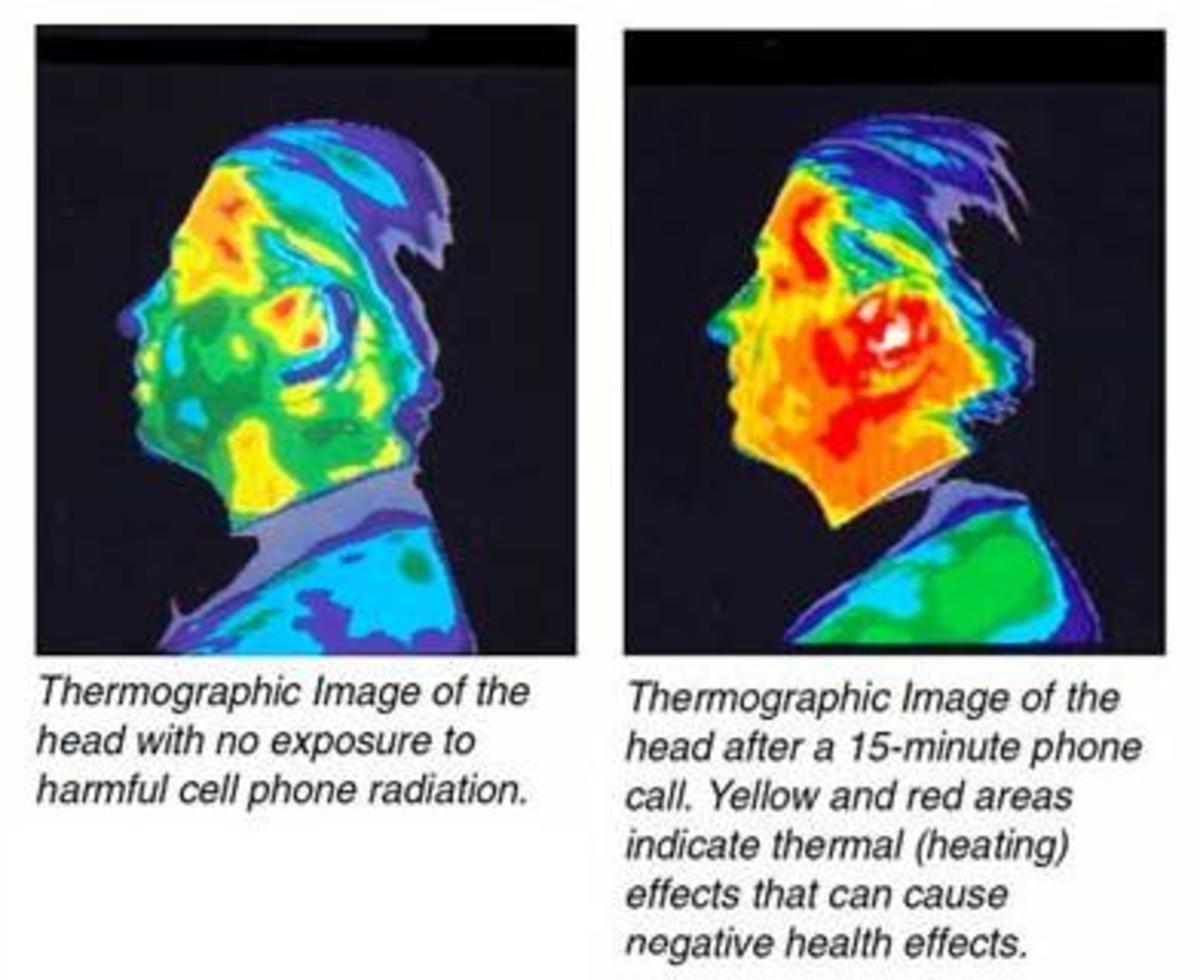
Credit: discover.hubpages.com
Radiation Exposure Levels
Smartphones emit radiation when they connect to cell towers. This radiation is called Radiofrequency (RF) radiation. Understanding the levels of exposure is important for health. Let’s explore some key factors that influence how much radiation we get exposed to.
Factors Influencing Exposure
Several factors can affect the level of radiation exposure from smartphones. Here are some of the main ones:
- Distance from the device: The closer the device, the higher the exposure.
- Duration of use: Longer use means more exposure.
- Signal strength: Weak signals cause phones to emit more radiation.
- Usage patterns: Holding the phone to your ear increases exposure compared to using speakerphone or earphones.
Comparing With Other Devices
Smartphones are not the only devices that emit RF radiation. Other common devices also contribute to our daily exposure. Let’s compare some of these:
| Device | Radiation Level (SAR) |
|---|---|
| Smartphone | 0.5 – 1.5 W/kg |
| Wi-Fi Router | 0.1 – 0.5 W/kg |
| Laptop | 0.2 – 1.0 W/kg |
| Tablet | 0.1 – 1.2 W/kg |
As seen, smartphones have a higher Specific Absorption Rate (SAR) compared to other devices. It is important to be aware of this and take steps to minimize exposure.
Regulatory Standards
Smartphone radiation has been a topic of debate for years. Regulatory standards are in place to ensure consumer safety. These standards aim to limit exposure to harmful radiation levels from smartphones.
Global Regulatory Guidelines
Different countries have their own guidelines. These guidelines set maximum exposure limits. The International Commission on Non-Ionizing Radiation Protection (ICNIRP) provides global recommendations. Many countries follow these recommendations closely. The United States has the Federal Communications Commission (FCC) setting similar standards. The European Union follows the ICNIRP guidelines but has its own regulations too.
Compliance And Enforcement
Regulatory agencies enforce these guidelines strictly. Smartphone manufacturers must test their devices. They must ensure they meet the set exposure limits. Non-compliance can result in penalties and recalls. Regular audits and checks are conducted to maintain safety standards. Manufacturers are also required to provide information to consumers. This includes the Specific Absorption Rate (SAR) values. SAR measures the rate at which the body absorbs radiation. Keeping consumers informed helps in making safer choices.
Safety Measures For Users
Smartphone radiation is a concern for many users. To ensure safety, adopting certain measures can help reduce exposure. Let’s explore some effective safety measures for smartphone users.
Reducing Radiation Exposure
Reducing radiation exposure is essential for minimizing potential health risks. Here are some strategies:
- Use speakerphone or earphones to keep the phone away from your head.
- Text instead of calling to reduce the time your phone is near your body.
- Limit phone use in areas with weak signals, as phones emit more radiation when searching for signals.
- Keep the phone away from your body when not in use, such as in a bag instead of a pocket.
Safe Usage Tips
Incorporating safe usage tips can further enhance your safety:
- Turn off your phone or switch to airplane mode when sleeping.
- Avoid long calls, and use a landline for extended conversations.
- Use apps that help monitor and manage your phone usage time.
- Keep your phone at a distance when using it for streaming or browsing.
By following these safety measures, you can significantly reduce your exposure to smartphone radiation. Stay informed and practice these tips for a healthier smartphone experience.
Technological Innovations
Technological innovations have always aimed to enhance our lives. In the realm of smartphones, these advancements also work to mitigate possible health risks. One major concern is radiation. Engineers and scientists are continuously developing ways to reduce the radiation emitted by these devices.
Radiation-reducing Technologies
Radiation-reducing technologies focus on minimizing the exposure to harmful emissions. Some smartphones now come with built-in shields. These shields reduce the radiation that reaches the user. Another method involves smart antennas. These antennas direct signals away from the body. This significantly lowers exposure levels.
Many apps help monitor radiation levels. They alert users if the levels become too high. These apps use the phone’s sensors. They ensure that users stay within safe limits. Simple accessories like radiation-blocking cases are also available. These cases prevent the radiation from reaching the user.
Future Developments
Future developments hold promise for even safer smartphones. Researchers are exploring new materials. These materials can absorb and block radiation. They might be integrated into future phone designs. Another area of interest is AI. AI could adjust radiation levels based on usage patterns. It would ensure minimal exposure without compromising performance.
Some companies are testing new communication methods. These methods could reduce the need for high radiation. They explore alternatives to current wireless signals. The goal is to find a safer way to communicate. With ongoing research, the future of smartphones looks safer and smarter.
Public Perception And Awareness
Smartphone radiation is a topic that sparks interest and concern. People are curious about its effects on health. Public perception is shaped by various sources. These include media, scientists, and personal experiences.
Common Misconceptions
There are many myths about smartphone radiation. Some believe it causes cancer. Others think it can damage the brain. Here are some common misconceptions:
- Radiation from smartphones is the same as radiation from X-rays.
- Using a smartphone for long hours will immediately cause health issues.
- All types of radiation are harmful.
These beliefs are not accurate. It is important to understand the difference between types of radiation.
Educating The Public
Education plays a key role in shaping public awareness. Accurate information helps dispel myths and reduce fear. Here are some effective ways to educate the public:
- Organize community workshops about smartphone safety.
- Use social media to share verified information.
- Encourage schools to include lessons on radiation.
Providing clear and concise information is essential. It helps people make informed decisions.

Credit: www.blackview.hk
Frequently Asked Questions
What Is Smartphone Radiation?
Smartphone radiation is a type of non-ionizing electromagnetic radiation. It is emitted by mobile phones during communication.
Can Smartphone Radiation Cause Cancer?
There is no conclusive evidence that smartphone radiation causes cancer. Studies are ongoing to investigate long-term effects.
How Can I Reduce Smartphone Radiation Exposure?
Use speakerphone or earphones to keep the phone away from your head. Limit phone usage and avoid long calls.
Is Smartphone Radiation Harmful For Kids?
Children are more sensitive to radiation. Limit their smartphone usage and encourage the use of hands-free devices.
Conclusion
Understanding smartphone radiation is important for our health. Current research shows mixed results. Some studies suggest potential risks. Others find no significant harm. Limiting exposure is a good precaution. Use speaker mode or earphones. Avoid keeping phones close to your body.
More research is needed for concrete answers. Stay informed about new findings. Your health matters, so make smart choices. Reducing unnecessary exposure is wise. Stay safe and stay connected responsibly.