
The insurance industry is rapidly evolving. New technologies are changing how insurers operate.
These advancements are shaping the future of the industry, making processes faster and more efficient. In recent years, tech trends in insurance have become crucial. From artificial intelligence to blockchain, these innovations offer significant benefits. They improve customer experience, enhance risk assessment, and streamline operations.
Insurers are now leveraging data analytics to predict trends and better serve their clients. As we delve into the latest tech trends, you’ll discover how these tools are transforming the insurance landscape. Understanding these trends is essential for staying competitive and meeting the ever-changing needs of customers. Let’s explore the exciting world of insurance tech trends and see what the future holds.

Credit: www.n-ix.com
Ai In Insurance
Artificial Intelligence (AI) is reshaping the insurance industry. AI tools streamline operations, improve customer experiences, and reduce costs. Let’s explore two critical areas where AI makes a significant impact: claims processing and fraud detection.
Claims Processing
AI enhances claims processing efficiency. It automates routine tasks, reducing manual efforts and human errors. This speeds up the process and improves accuracy.
Consider this: an AI system can analyze and categorize claims data faster than a human. It can identify the type of claim and direct it to the right department. This quickens the entire workflow.
| Task | Traditional Processing | AI Processing |
|---|---|---|
| Data Entry | Manual | Automated |
| Claim Categorization | Manual Review | Automated Analysis |
| Approval Process | Slow | Fast |
AI also helps in assessing damage using photos. For example, after a car accident, users can upload pictures. AI analyzes these images to estimate repair costs. This leads to quicker settlements.
Fraud Detection
Insurance fraud costs companies millions each year. AI significantly improves fraud detection capabilities. It can spot patterns and anomalies that humans might miss.
AI systems analyze vast amounts of data quickly. They detect unusual patterns in claims, payments, and customer behavior. This helps in identifying potential fraud cases early.
- Recognizes suspicious activity
- Flags unusual claim patterns
- Monitors customer data for inconsistencies
For instance, if a user files multiple claims in a short period, AI flags this as suspicious. It alerts investigators to review these claims thoroughly. This proactive approach saves time and money.
AI also uses historical data to predict fraud trends. It adapts and learns from new data, making it smarter over time. This continuous improvement enhances overall fraud prevention.
Blockchain Applications
Blockchain Applications in insurance are gaining momentum. This technology is transforming how insurers operate. It enhances transparency, efficiency, and trust. Let’s explore two key areas: Smart Contracts and Data Security.
Smart Contracts
Smart contracts are self-executing contracts. They have the terms of the agreement directly written into code. This feature ensures contract execution without intermediaries.
For example, an insurance claim can be processed automatically. Once the conditions are met, the smart contract triggers the payout. This reduces processing time and administrative costs.
Here are some benefits of smart contracts in insurance:
- Efficiency: Faster claim processing.
- Transparency: Clear and immutable contract terms.
- Cost Reduction: Lower administrative expenses.
Data Security
Data security is crucial in the insurance industry. Insurers handle vast amounts of sensitive data. Blockchain technology enhances data security through decentralized storage.
In a blockchain network, data is stored in blocks. Each block is linked to the previous one, creating a chain. This makes unauthorized alterations almost impossible.
Consider these advantages of blockchain for data security:
- Integrity: Data is tamper-proof.
- Confidentiality: Only authorized parties can access the data.
- Traceability: Every transaction is recorded and traceable.
Insurance companies can leverage blockchain for better data management. This technology ensures data remains secure and unaltered.
Telematics And Iot
Insurance technology is evolving rapidly. One of the standout trends is the use of telematics and IoT. These technologies collect data from various sources. This data helps insurers create more accurate policies. It also improves customer service and reduces costs.
Usage-based Insurance
Telematics and IoT make usage-based insurance possible. Devices in cars track how much and how well you drive. Insurers use this data to set premiums. Safe drivers can enjoy lower rates. Frequent or risky drivers might pay more. This method makes insurance fairer for everyone.
Risk Assessment
Telematics and IoT also improve risk assessment. Sensors in homes can detect water leaks or fires. Wearable devices can monitor health metrics. Insurers get real-time data. This helps them assess risks more accurately. It also allows for quicker responses to incidents.
Big Data Analytics
Big Data Analytics is transforming the insurance industry. With massive data volumes, companies make better decisions. Analyzing this data helps understand customer behavior and predict future trends.
Customer Insights
Big Data Analytics provides deep insights into customer behavior. Companies can analyze data from various sources. This includes social media, purchase history, and online behavior. These insights help in creating personalized insurance plans. Customers get policies that meet their specific needs.
Understanding customer preferences also improves marketing strategies. Companies can target the right audience. This leads to higher customer satisfaction and retention.
Predictive Modeling
Predictive modeling is another crucial aspect. It uses historical data to predict future outcomes. In insurance, this means assessing risk more accurately. Companies can identify potential fraud and prevent losses.
Predictive models also help in pricing policies. By analyzing data, companies set premiums that reflect true risk. This ensures fair pricing for all customers. It also helps in optimizing underwriting processes.
Insurtech Startups
Insurance technology, or Insurtech, is revolutionizing the insurance industry. New startups are leading the charge with innovative solutions. These companies use technology to provide better services. They aim to make insurance more accessible, transparent, and affordable. Let’s explore some exciting trends from Insurtech startups.
Innovative Solutions
Insurtech startups are creating innovative solutions to enhance customer experience. They use artificial intelligence (AI) to process claims faster. Machine learning helps in risk assessment. Blockchain ensures data security and transparency. Here are some key technologies they use:
- AI and Machine Learning: Speed up claims processing.
- Blockchain: Secure and transparent data handling.
- Telematics: Monitor driving habits for personalized premiums.
- Internet of Things (IoT): Devices that prevent risks, like smart smoke detectors.
Market Disruption
Insurtech startups are disrupting the traditional insurance market. They offer new products and services that meet modern needs. Traditional insurers face competition from these tech-savvy companies. Here are a few ways they are shaking up the market:
- Direct-to-Consumer Models: Selling policies online without agents.
- On-Demand Insurance: Flexible policies for specific events or periods.
- Usage-Based Insurance: Premiums based on actual usage or behavior.
- Peer-to-Peer Insurance: Groups of people pooling resources for coverage.
These trends show how technology is changing insurance. Insurtech startups are making insurance more user-friendly and efficient.
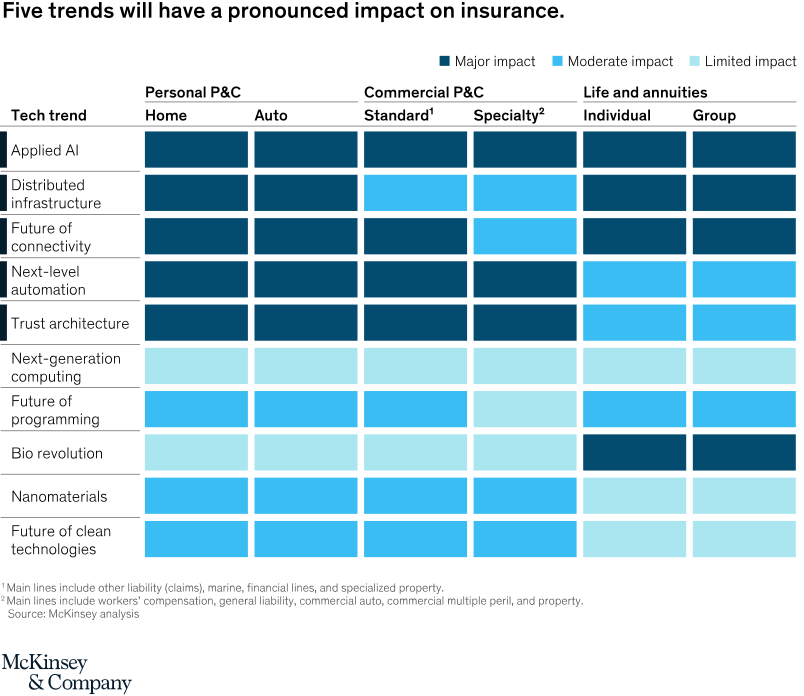
Credit: www.mckinsey.com
Digital Customer Experience
In the insurance industry, the digital customer experience has become a key focus. Companies aim to make processes more efficient and customer-friendly. They use technology to meet customer needs quickly and accurately. This shift creates a more engaging and satisfying experience.
Online Platforms
Online platforms allow customers to manage their insurance policies easily. They can view policy details, make payments, and file claims. These platforms offer convenience. Customers can access them anytime, from anywhere. This flexibility improves customer satisfaction.
Chatbots And Virtual Assistants
Chatbots and virtual assistants provide instant support. They answer common questions and guide users through processes. This technology helps resolve issues quickly. Customers do not have to wait for human assistance. The result is faster service and higher customer satisfaction.
Cyber Insurance
Cyber insurance has become crucial in our digital age. Companies face growing cyber threats, increasing their need for protection. Cyber insurance covers financial losses due to cyber-attacks. It helps businesses recover faster. Understanding the latest trends in cyber insurance is essential. This section will explore emerging threats and policy development.
Emerging Threats
Cyber threats are constantly evolving. Hackers use advanced techniques to breach systems. Ransomware attacks are on the rise. These attacks lock data until a ransom is paid. Phishing scams trick employees into revealing sensitive information. Businesses need to stay alert to these threats. Regular training and updates can help mitigate risks.
Policy Development
Insurance policies must adapt to new cyber threats. Policies now cover a wider range of incidents. They include data breaches, ransomware, and business interruption. Customizable policies are becoming popular. Businesses can choose coverage that fits their needs. Companies must review their policies regularly. This ensures they are protected against the latest threats.
Regulatory Challenges
Insurance technology is advancing rapidly. But, this progress brings significant regulatory challenges. Companies must navigate complex compliance requirements. They also need to adapt to ever-changing regulations. This section will explore these hurdles.
Compliance Issues
Compliance with regulations is a critical issue. Insurance tech firms face many rules and standards. These include data protection laws and financial regulations. Not meeting these requirements can result in heavy fines and penalties.
There are several key areas where compliance is crucial:
- Data Protection: Ensuring customer data is secure and private.
- Financial Reporting: Adhering to financial standards and transparency.
- Consumer Rights: Protecting consumer rights and interests.
Each area has its own set of regulations. Staying compliant requires continuous monitoring and updates.
Adapting To Change
The regulatory landscape is always changing. New laws and updates can emerge unexpectedly. This poses a challenge for insurance tech companies. They must be agile and ready to adapt.
To manage this, companies can:
- Invest in Compliance Tools: Use software to track regulatory changes.
- Train Employees: Ensure staff are aware of new regulations.
- Consult Experts: Work with legal and compliance experts.
Adapting to change is crucial for staying compliant. It helps companies avoid legal issues and maintain trust with customers.

Credit: www.avenga.com
Frequently Asked Questions
What Are The Latest Insurance Tech Trends?
The latest insurance tech trends include AI-driven underwriting, blockchain for transparent transactions, and telematics for personalized policies. Insurtech startups are also leveraging big data to improve risk assessments.
How Is Ai Transforming Insurance?
AI is transforming insurance by automating claims processing, enhancing customer service, and improving risk management. It helps in accurate underwriting and fraud detection, leading to better efficiency.
What Role Does Blockchain Play In Insurance?
Blockchain ensures transparency, security, and efficiency in insurance transactions. It helps in reducing fraud, speeding up claims processing, and maintaining immutable records.
How Do Telematics Impact Auto Insurance?
Telematics impact auto insurance by collecting real-time driving data to offer personalized premiums. It encourages safer driving habits and reduces accident risks.
Conclusion
The landscape of insurance technology constantly evolves. Insurers must stay updated. Emerging trends shape the future of this industry. Adopting new tech ensures better customer experiences. Streamlined processes boost efficiency and accuracy. Staying ahead in insurance tech trends is essential.
Companies that innovate will lead the market. Embrace these changes now. Stay competitive and meet customer demands effectively. Keep an eye on trends. The future of insurance is bright and tech-driven.