
Electronics should not stay in a hot car for long. High temperatures can damage them quickly.
Leaving electronics in a hot car can be risky. Heat affects their functionality and lifespan. Most devices are not built to withstand extreme temperatures. A hot car can reach over 100 degrees Fahrenheit quickly, even if it’s only 70 degrees outside.
This can cause batteries to swell, screens to crack, or devices to stop working altogether. Understanding the risks and knowing how long electronics can endure heat is crucial. This blog will explore the dangers and provide tips to protect your gadgets. Stay informed to keep your electronics safe and functional.
Risks Of Leaving Electronics In Hot Cars
Heat can damage electronics quickly. High temperatures can cause batteries to swell or leak. Screens might crack or warp. Internal parts can melt or stop working. This can lead to permanent damage. Some devices might even catch fire.
| Device | Potential Damage |
|---|---|
| Smartphones | Batteries swell, screens crack |
| Laptops | Internal parts melt, screens warp |
| Tablets | Batteries leak, screens stop working |
| Cameras | Sensors damaged, batteries swell |

Credit: www.amazon.com
Temperature Thresholds For Electronics
Most electronics work best between 32°F and 95°F. Keeping them in this range helps them last longer. High heat can damage their parts. Even short exposure can cause harm. Always store devices in a cool place.
Temperatures above 95°F can harm electronics. At 100°F, screens may fade. Batteries can fail. Internal circuits may melt. Damage gets worse as heat rises. Protect devices from extreme temperatures.
Impact Of Heat On Batteries
High heat can damage batteries. Prolonged exposure may lead to battery degradation. This means the battery may lose capacity over time. It might stop holding a charge. This can happen quickly in a hot car. Extreme temperatures are bad for electronics.
Heat can cause a battery to swell. This increases the risk of explosion. Car interiors can become very hot. A hot battery can be dangerous. It might leak or burst. Always keep electronics out of direct sunlight.
Effects On Device Performance
High temperatures in a car can damage electronic devices. Prolonged exposure may cause battery swelling and reduced performance. Heat can also warp internal components.
Slowdowns And Freezes
High heat can cause your device to run slowly. Apps may take longer to open. The screen might freeze, making it hard to use. These issues happen because the device gets too hot. Internal parts can’t work well at high temperatures. This can make the device less reliable. It may even crash often.
Screen Damage
Heat can damage the screen. Colors may fade or change. The screen might crack. It can become less sensitive to touch. This makes it hard to use. Even short time in heat can cause this. Protect your device from high temperatures.
Heat-induced Hardware Failures
Heat can cause serious problems for electronics. Inside a hot car, temperatures can soar. This heat can melt internal components. Plastic parts may warp or break. Metal parts can expand. This expansion can damage circuits. Once damaged, parts may not work anymore.
Heat can also harm data storage devices. Hard drives and SSDs can fail. This failure can lead to data loss. Important files may disappear. Heat can corrupt memory cards too. Always keep backups. Protect your data from heat.
Preventive Measures To Protect Electronics
Electronics should not stay in a hot car for long. High temperatures can damage devices quickly. Always remove electronics to prevent overheating.
Use Of Sunshades
Sunshades can help keep your car cooler. They block out the sun’s rays. This reduces the heat inside the car. Electronics are sensitive to heat. Using sunshades can prevent them from overheating. Always place a sunshade on the windshield. This is especially important on hot days.
Proper Ventilation
Proper ventilation is key to keeping electronics safe. Open the windows slightly to allow air to flow. This helps reduce the overall temperature inside the car. Park in shaded areas whenever possible. This can also help keep your car cooler. Electronics will last longer in a cooler environment.
Alternative Storage Solutions
Extreme heat can damage electronics left in a hot car. Sensitive components may malfunction or even melt. It’s crucial to store devices in cooler environments to maintain their longevity.
Carrying Cases
Carrying cases can protect electronics from heat. They offer extra padding and insulation. Some cases have cooling features. Choose a case with thick walls. Ensure the case fits your device well. Look for cases with ventilation slots. These help keep devices cool. Always keep the case in a shady spot. This prevents overheating.Portable Coolers
Portable coolers keep electronics safe from heat. They use ice packs or cooling gel. Some coolers are powered by batteries. These are ideal for long trips. Coolers with insulation work best. Ensure the cooler is the right size. Too large, and it wastes space. Too small, and it won’t cool well. Always check battery levels before use. This ensures continuous cooling. “`
Credit: www.amazon.com
Emergency Steps For Overheated Devices
Move the device to a cool place right away. Turn off the device immediately. Do not try to use it. Remove the battery if possible. Avoid charging the device while hot. Let it rest and cool down naturally. Do not use a fridge or freezer. These steps help prevent further damage.
Place the device in a shaded, cool area. Use a fan to blow air over the device. Keep the device in a dry environment. Do not expose it to moisture. Let it cool for at least an hour. Check the temperature before turning it on. Avoid sudden temperature changes to prevent damage.
Long-term Effects Of Heat Exposure
Heat can damage electronics. High temperatures reduce battery life. Devices may overheat and shut down. Plastic parts can melt or warp. Heat can fade screens and cause color changes. Leaving electronics in a hot car ages them fast. They may stop working sooner.
Many warranties do not cover heat damage. Keeping electronics in a hot car voids warranties. Always check the warranty terms. Avoid high temperatures to keep warranties valid. Follow guidelines to protect your devices.
Future Trends In Heat-resistant Electronics
New materials can handle high temperatures better. Ceramics and special plastics are used. These materials protect electronics from heat. They stay cool longer. They are also light and strong. This makes them perfect for gadgets. New materials help devices last longer in hot cars.
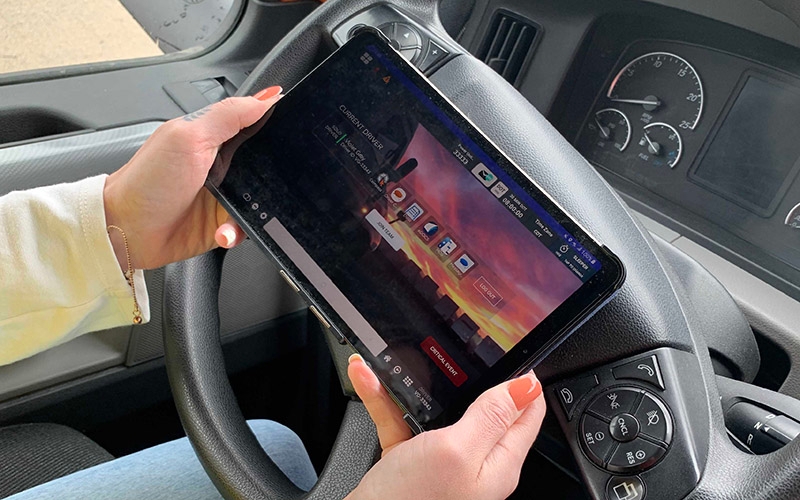
Cooling systems are getting smarter. Tiny fans and heat sinks keep devices cool. Liquid cooling is also popular. It uses special fluids to absorb heat. This helps gadgets stay safe in hot cars. Smart cooling technologies can be found in many new electronics. They work hard to keep your devices from overheating.
Credit: schneiderjobs.com
Frequently Asked Questions
How Hot Can A Car Get Inside?
A car can reach up to 160°F (71°C) on a hot day.
Is It Safe To Leave Electronics In A Hot Car?
No, high temperatures can damage electronic devices.
How Long Can A Laptop Stay In A Hot Car?
A laptop can be damaged within an hour in high heat.
Can Heat Affect Smartphone Performance?
Yes, heat can cause battery and hardware issues in smartphones.
Do Tablets Overheat In Hot Cars?
Yes, tablets can overheat and malfunction in high temperatures.
What Happens To Cameras In Hot Cars?
Cameras can suffer from sensor damage and battery issues.
Are Gps Devices Safe In Hot Cars?
No, GPS devices can overheat and fail in extreme heat.
Conclusion
Leaving electronics in a hot car can cause severe damage. Heat impacts batteries and screens. Devices may malfunction or stop working entirely. Protect your gadgets by keeping them cool. Use sunshades or store them in the trunk. Avoid unnecessary repairs and costs.
Always remember, prevention is better than cure. Keeping your electronics safe ensures they last longer. Be mindful of where you leave them. Your devices are valuable and need care. Stay informed and protect your tech investments.