
Video game preservation is crucial for maintaining gaming history. Prototypes of games play a key role in this process.
Preserving video games goes beyond just keeping copies of finished games. It involves saving the development stages, including prototypes. These early versions offer a glimpse into the creative process and evolution of a game. By studying prototypes, we can understand the changes and decisions made by developers.
This helps in documenting the history and growth of the gaming industry. Prototypes also ensure that unique ideas and concepts are not lost over time. They serve as valuable resources for researchers, historians, and game enthusiasts. Understanding the link between video game preservation and prototypes highlights the importance of saving all aspects of game development.
Credit: gamehistory.org
Importance Of Video Game Preservation
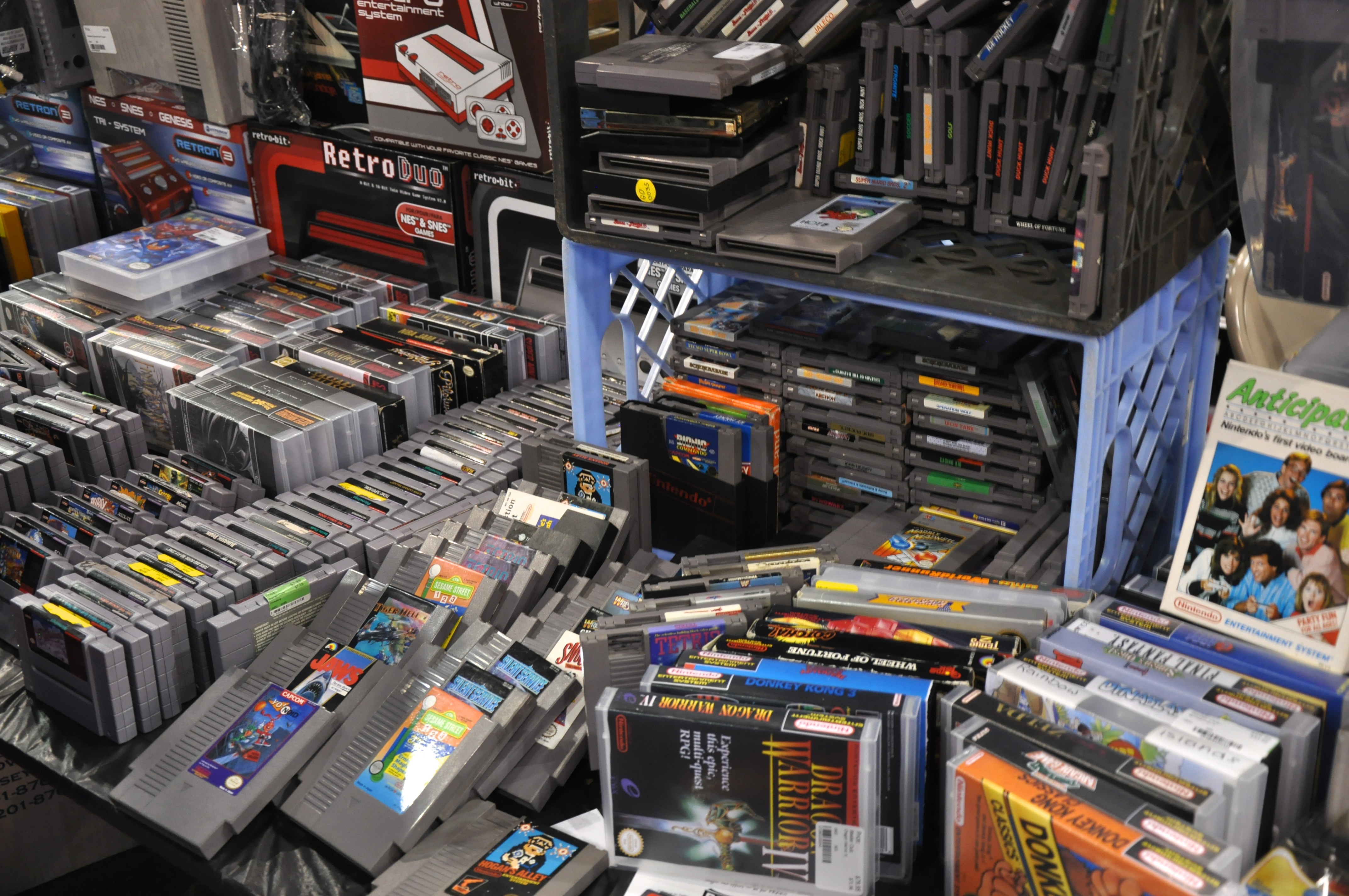
Video games are a part of our culture. They tell stories. They reflect society. Video game preservation helps keep these stories alive. Old games show how culture has changed. They show our history. Prototypes are very important. They show the early ideas of a game. They help us understand the game’s development. Without preservation, these early ideas may be lost.
Games have a history. They show the progress of technology. Old games used simple graphics. New games look like real life. Prototypes are a part of this history. They show the development process. They can be very different from the final game. This shows how ideas change over time. Preserving these prototypes is like keeping a piece of history. We learn from the past. We use this knowledge to create better games in the future.
Credit: en.wikipedia.org
Role Of Prototypes In Game Development
Prototypes help game developers test early ideas. They show basic gameplay mechanics. Developers can see what works and what doesn’t. This saves time and effort later. Simple graphics and actions are used. Prototypes are like rough drafts for games. They help shape the final product. Early concepts might change many times. This process is crucial. It helps avoid big mistakes later.
Prototypes guide the development process. They help set the game’s direction. Developers can try different features. They see which ones are fun or boring. Feedback from players is valuable. Changes are made based on this feedback. Prototypes are shared with team members. Everyone understands the game’s vision. This makes teamwork better. Step by step, the game improves. Each version gets closer to the final release.
Prototypes As Hidden Gems
Prototypes often hold unreleased content that never made it to the final game. This content can include unique levels, characters, and stories. They offer a glimpse into what could have been. This makes them valuable for gamers and collectors.
Many prototypes have special features not found in the released version. These features can show early ideas and concepts. Sometimes, these ideas are better than the final product. This gives us a chance to see the creative process behind game development.

Credit: www.reddit.com
Challenges In Preserving Prototypes
Prototypes of games often run on old hardware. This hardware can break easily. Sometimes, software used to create games is no longer available. Files can get corrupted. Data might be lost forever. Bugs in early versions are common. Fixing these bugs is hard. Tools to read old formats might not exist. This makes it hard to play or study these prototypes. Keeping everything working is a big challenge.
Copyright laws protect many games. This makes sharing prototypes tricky. Companies own the rights. They may not allow copies. Legal permissions are needed to share. Contracts can restrict access. Patents can also be a problem. These laws protect ideas, not just games. Getting approval takes time and money. Sometimes, it’s too hard. Many prototypes stay hidden because of these barriers.
Methods Of Preservation
Digital archiving stores game prototypes on computers. This method protects games from damage. It also makes sharing easier. Many people can access these games online. This helps keep the games safe for the future. Old games can be played on new systems. Digital copies do not wear out.
Physical storage keeps game prototypes in a safe place. This includes storing them in boxes or shelves. Temperature and light control are important. This stops the games from getting damaged. Physical storage is good for rare items. It keeps the original form of the game. Proper care ensures long-lasting preservation.
Impact On Modern Game Design
Old game prototypes give ideas. Designers see old concepts. These ideas help make new games. They offer unique gameplay mechanics. They show different art styles. They provide new stories.
Sometimes, these old ideas were not used. But now, they can be. This makes games fresh and exciting. It also helps avoid repeating old ideas.
Prototypes teach what worked and what did not. Designers learn from past mistakes. This helps make better games. They find bugs and fix them early. They see what players liked. They change things players did not like.
Learning from old games saves time. It helps avoid common problems. This makes the design process smoother and faster. It leads to higher quality games.
Community Efforts In Preservation
Fan projects are a big part of game preservation. Many fans recreate or remaster old games. They do this to keep the history alive. They work together to save rare prototypes. These projects help us learn about game development. They are a labor of love and dedication.
Crowdsourcing is another way to help preserve games. Many people share their skills and resources. They donate old games or fund projects. This helps to collect and store game prototypes. The community benefits as a whole. Everyone can enjoy these preserved games.
Notable Preserved Prototypes
Some prototypes are famous. They show early game designs. One example is the Star Fox 2 prototype. It was never released. Fans later found it. It showed a new way to play.
Another example is Zelda 64. This prototype became Ocarina of Time. It had many changes. New ideas were tested. Some stayed, some did not.
Preserving prototypes helps history. People saved EarthBound Zero. It was the first game in the series. Fans finally played it years later. Another success is Diablo. The prototype was different. It showed the game’s growth.
Future Of Game Preservation
New technology helps keep old games safe. Digital storage is a key tool. It helps save game prototypes. This means old game ideas are not lost. People can enjoy them for many years. Cloud storage also helps. It keeps data safe from damage. Tech tools like emulators are important too. They let old games work on new devices. This keeps game history alive.
Game companies are starting to see the value in old games. They now work to save prototypes. This helps fans and historians. Some companies share old game files online. This lets fans play games that never came out. Collaboration with museums is growing too. Museums help keep game history safe. They also educate the public about game history. These trends help secure the future of games.
Ethical Considerations
Prototypes are early versions of games. They help in preserving the original ideas. Authenticity matters a lot in this process. Fans and historians want the real thing. Fakes or altered versions can mislead. So, keeping prototypes pure is important. It ensures that the game’s history stays true.
Making prototypes available is important. Everyone should have a chance to see them. Not just big companies. This helps in sharing game history with all. It also supports learning and research. So, easy access to prototypes is a must.
Frequently Asked Questions
What Is Video Game Preservation?
Video game preservation is saving and protecting old games for future use. This includes digital and physical formats.
Why Are Game Prototypes Important?
Game prototypes show early game ideas and development. They help understand how games evolve before release.
How Do Prototypes Help Preservation?
Prototypes offer insights into game history and design. They are vital for studying and preserving gaming culture.
Can Prototypes Be Played?
Some prototypes can be played, while others may be incomplete. They still provide valuable historical information.
Where Can Game Prototypes Be Found?
Prototypes can be found in archives, private collections, or online communities dedicated to game preservation.
How Do Prototypes Differ From Final Games?
Prototypes often have different graphics, gameplay, and features. They show the development process and changes made.
Why Is Preserving Video Games Important?
Preserving video games keeps cultural heritage alive. It ensures future generations can experience and learn from them.
Conclusion
Preserving video game prototypes ensures future generations experience gaming history. Prototypes offer unique insights into game development. They help us understand the creative process. They also show changes made before final releases. This knowledge is valuable for both historians and gamers.
Saving these prototypes means saving important cultural artifacts. With proper preservation, we keep the gaming legacy alive. So, let’s prioritize protecting these pieces of history. Our efforts today will benefit tomorrow’s gamers and scholars.