
The fifth generation of video games, often called the 32-bit era, marked a significant leap in gaming history. This era introduced 3D graphics and more complex gameplay.
From the mid-90s to early 2000s, gaming transformed dramatically. The fifth generation saw the rise of iconic consoles like the PlayStation, Nintendo 64, and Sega Saturn. These systems brought new experiences to gamers worldwide. Developers explored new genres, pushing the boundaries of what games could achieve.
This period also saw the birth of many beloved franchises that continue to thrive today. Understanding this era is crucial for appreciating modern gaming advancements. Let’s dive into what made the fifth generation so impactful and memorable.
Credit: www.deviantart.com
Introduction To Fifth Generation Games
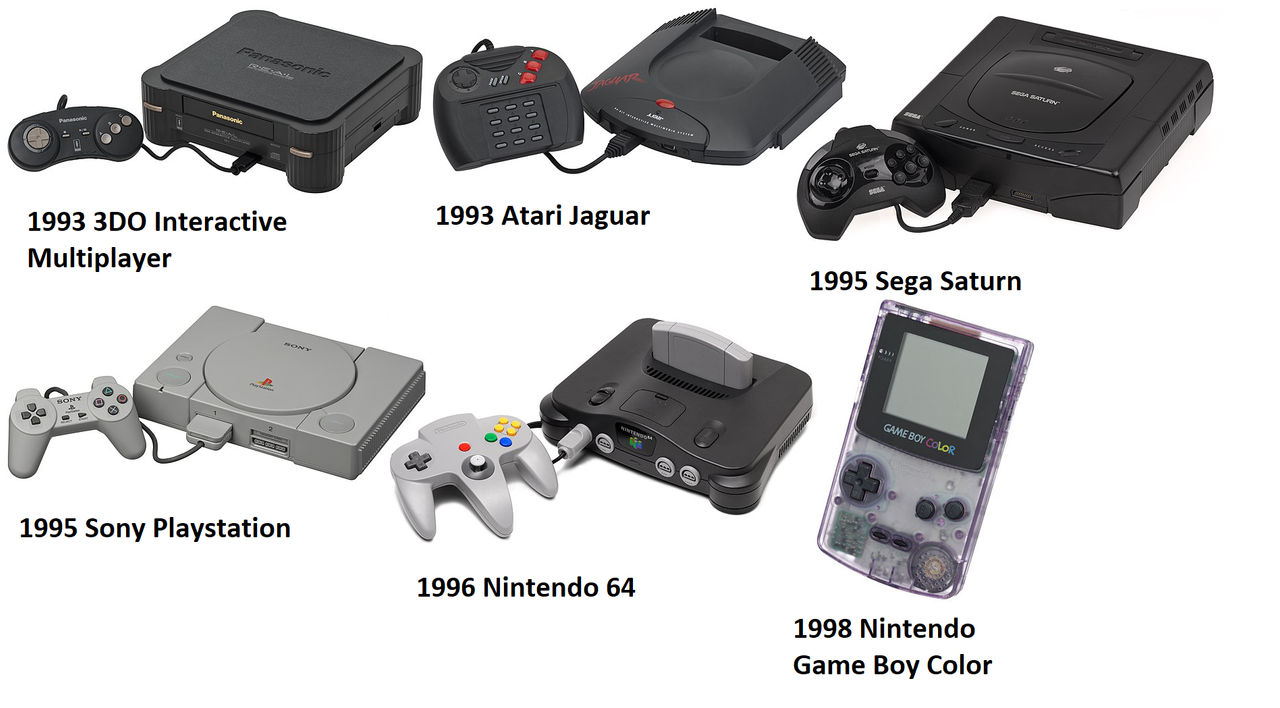
The fifth generation of video games brought a significant shift in the gaming world. This era is often referred to as the 32-bit and 64-bit era. It marked the rise of 3D graphics and more complex gameplay. The period spanned from the early 1990s to the early 2000s. Major consoles during this time included the Sony PlayStation, Nintendo 64, and Sega Saturn. These systems introduced new possibilities for game developers and players alike.
Historical Context
In the early 1990s, the gaming industry was transitioning from 2D to 3D graphics. The fourth generation of consoles, like the Super Nintendo and Sega Genesis, had set high standards with their 2D games. But the fifth generation aimed to surpass these with new technology. The competition between companies was fierce. Sony entered the market with the PlayStation, and it quickly became a major player. Nintendo continued its legacy with the Nintendo 64, while Sega released the Saturn.
Key Innovations
The fifth generation introduced several key innovations that shaped the future of gaming:
- 3D Graphics: The shift from 2D to 3D allowed for more immersive and realistic games.
- CD-ROMs: Games moved from cartridges to CD-ROMs, providing more storage and better audio quality.
- Analog Controls: Controllers with analog sticks offered more precise control, enhancing gameplay.
- Multiplayer Gaming: The rise of multiplayer modes allowed friends to play together, both locally and online.
These innovations laid the groundwork for modern gaming. They expanded the possibilities for game design and player experience. The fifth generation was a pivotal era in the history of video games.

Credit: www.youtube.com
Technological Advancements
The fifth generation of video games brought a wave of technological advancements. These innovations transformed the gaming experience. They set new standards for future developments in the industry.
Graphics Evolution
The evolution of graphics was a key aspect of this era. 3D graphics became the norm, replacing the older 2D sprites. This shift allowed for more immersive gameplay. Characters and environments appeared more realistic. Players could explore complex, three-dimensional worlds.
Game consoles like the Sony PlayStation and Nintendo 64 led this change. They had powerful processors and graphic chips. This enabled smoother animations and detailed textures. Developers experimented with lighting and shadow effects. These effects added depth and realism to the games.
A comparison of the consoles’ graphics capabilities is shown below:
| Console | Graphics Features |
|---|---|
| Sony PlayStation | Texture mapping, Gouraud shading |
| Nintendo 64 | Anti-aliasing, Z-buffering |
Improved Sound Quality
Sound quality saw significant improvements in the fifth generation. These consoles supported CD-quality audio. This allowed for richer and more varied soundtracks.
Game developers included voice acting for characters. This made the gaming experience more engaging. Background music became more complex and atmospheric. Sound effects were more detailed and lifelike.
The following list highlights some key sound advancements:
- High-fidelity soundtracks
- Voice acting for characters
- Detailed sound effects
These advancements in sound and graphics significantly enhanced the overall gaming experience. They paved the way for the more sophisticated games we enjoy today.
Iconic Consoles
The fifth generation of video games brought forth some truly iconic consoles. These consoles changed the gaming landscape and introduced many to the joys of home gaming. Let’s delve into two of the most memorable systems from this era.
Sony Playstation
The Sony PlayStation made its debut in 1994. It marked Sony’s first foray into the gaming world. The PlayStation quickly gained popularity due to its impressive library of games. Titles like “Final Fantasy VII” and “Metal Gear Solid” became instant classics. The console’s use of CDs meant more storage space for games, resulting in better graphics and sound. Its controller design also set a new standard for comfort and functionality.
Another key feature was the ability to save games on memory cards. This was a big leap from the password systems of older consoles. The PlayStation’s success laid the groundwork for future Sony consoles, making it a cornerstone in gaming history.
Nintendo 64
The Nintendo 64, released in 1996, was known for its innovative 3D graphics. It introduced many gamers to the world of 3D platforming with “Super Mario 64.” The console used cartridges instead of CDs, which allowed for faster load times. Although this meant less storage space compared to CDs, the games still captivated audiences.
Another standout feature was the N64 controller. It had a unique trident shape and introduced the analog stick. This design allowed for more precise control in 3D environments. The Nintendo 64 also offered four controller ports, making it perfect for multiplayer games like “Mario Kart 64” and “GoldenEye 007.”
The Nintendo 64 remains a beloved console for many, with its groundbreaking games and innovative design.
Memorable Games
The fifth generation of video games brought unforgettable experiences. Many games from this era left a lasting impact. Let’s dive into some of the most memorable titles.
Best-selling Titles
Some games from the fifth generation topped sales charts. These games sold millions of copies worldwide. One standout is “Pokémon Red and Blue.” These games were huge hits on the Game Boy. Kids everywhere were catching and training Pokémon.
Another best-seller was “Final Fantasy VII.” This game set new standards for RPGs. Its rich story and characters drew players in. “Gran Turismo” also made waves. This racing game offered realistic driving experiences. It became a favorite for car enthusiasts.
Cult Classics
Not all great games were best-sellers. Some gained fame later on. These cult classics have dedicated fan bases. “Castlevania: Symphony of the Night” is one such game. Its mix of action and exploration won many fans.
“EarthBound” is another beloved title. Though it did not sell well at first, it is now cherished. Its quirky humor and unique style stand out. “Panzer Dragoon Saga” also fits this category. This RPG is praised for its deep story and gameplay.
These games may not have been top sellers. Yet, they remain important to many gamers. Their unique qualities continue to inspire new generations.
Impact On Game Development
The fifth generation of video games marked a big shift. This era saw the rise of 3D graphics. It also introduced more powerful gaming consoles. Developers could now create more complex games. This period changed game development forever.
New Genres
One major impact was the birth of new genres. 3D capabilities allowed for the creation of first-person shooters. Players could now see the game world through the character’s eyes. Role-playing games became more immersive. They featured rich storylines and detailed worlds. Real-time strategy games also gained popularity. These games required quick thinking and strategic planning.
Enhanced Gameplay Mechanics
Enhanced gameplay mechanics improved the gaming experience. Developers could now use more precise controls. This allowed for more detailed character movements. It also made combat and other actions smoother. Games could include more complex puzzles. Players enjoyed new levels of challenge and engagement. Physics engines became more advanced. This led to more realistic interactions in the game world.
Cultural Influence
The fifth generation of video games significantly shaped modern culture. These games were more than entertainment. They created trends, influenced lifestyles, and became part of daily conversations. This era made a lasting impact on many aspects of life. Let’s explore how this generation integrated into pop culture and began esports.
Pop Culture Integration
Fifth-generation games appeared in movies and TV shows. Iconic characters like Mario and Sonic became household names. Merchandise, from action figures to clothing, flooded the market. These games inspired cartoons, comics, and even music.
Young gamers identified with game characters. This connection influenced fashion trends and social circles. Game references became common in everyday language. The gaming community grew beyond just players. Even non-gamers recognized characters and storylines.
Esports Beginnings
The fifth generation marked the start of esports. Competitive gaming events gained popularity. Gamers competed in tournaments for recognition and prizes. Titles like “GoldenEye 007” and “StarCraft” were popular in competitions.
Professional gaming began to form. Teams and leagues started to emerge. These early tournaments laid the groundwork for the massive esports industry today. Fans enjoyed watching and supporting their favorite players and teams.
Esports brought gamers together. It built a sense of community and shared passion. This era set the stage for the global phenomenon that esports have become.
Challenges And Controversies
The fifth generation of video games marked a significant leap in gaming history. This era introduced 3D graphics and new gameplay experiences. But it also faced several challenges and controversies. These issues ranged from hardware limitations to content regulation. Both had a profound impact on the industry.
Hardware Limitations
Hardware limitations were a major challenge. Consoles had limited processing power. Developers had to work within these constraints. This led to creative but sometimes frustrating solutions. Many games had poor graphics or long loading times. Some consoles struggled to handle complex 3D environments. This affected gameplay quality.
Storage space was another issue. CDs and cartridges had limited capacity. Developers had to make tough decisions about what to include. This often meant cutting features or reducing game length. The limitations stifled innovation in some cases. But they also pushed developers to be more creative.
Content Regulation
Content regulation became a hot topic during this era. Parents and lawmakers worried about game content. Violence and mature themes were common in many titles. This led to calls for stricter content regulation. The industry had to respond to these concerns.
Rating systems were introduced to address these issues. Games began to carry age-appropriate labels. This helped guide parents and protect children. But it also sparked debates about censorship and artistic freedom. Some felt that regulations were too strict. Others believed they did not go far enough.
These controversies shaped the future of gaming. They influenced how games were developed and marketed. The impact of these challenges is still felt today.
Credit: ultimatepopculture.fandom.com
Legacy And Influence
The fifth generation of video games holds a special place in gaming history. These games have left a lasting legacy and continue to influence modern gaming. This era saw the rise of 3D graphics and immersive gameplay. Titles from this period still resonate with gamers today.
Modern Gaming Trends
Many modern gaming trends trace their roots to the fifth generation. Open-world games became popular during this time. Games like “The Legend of Zelda: Ocarina of Time” set a high standard. Today, open-world games dominate the market.
Multiplayer modes also gained popularity. Games like “GoldenEye 007” offered thrilling multiplayer experiences. Now, multiplayer features are a staple in many games. The fifth generation laid the groundwork for these trends.
Nostalgia Factor
Nostalgia plays a significant role in the popularity of fifth-generation games. Many gamers have fond memories of playing these classics. Titles like “Final Fantasy VII” and “Super Mario 64” evoke strong emotions. They remind players of simpler times and early gaming experiences.
Retro gaming has become a trend. Many gamers seek to relive their childhood memories. This has led to the revival of old consoles and remastered games. The nostalgia factor keeps the fifth generation alive and well.
Market Competition
The fifth generation of video games marked a significant era in gaming history. This period saw intense competition among major companies, striving to dominate the market. With new technologies and innovative games, the race to capture gamers’ hearts was fierce.
Major Players
Several key players emerged in the fifth generation of video games. Sony, Sega, and Nintendo were at the forefront. Sony introduced the PlayStation, which quickly gained popularity. Sega launched the Saturn, aiming to maintain its stronghold. Nintendo released the Nintendo 64, bringing unique gaming experiences. Each company brought something different to the table.
Console Wars
The competition among these giants led to what is known as the console wars. Sony’s PlayStation appealed to a broad audience with its extensive game library. Sega’s Saturn struggled despite its early release and powerful hardware. Nintendo 64 focused on groundbreaking titles like Super Mario 64 and The Legend of Zelda. These battles shaped the gaming landscape.
Gamers had to choose between these consoles, each offering unique features. The PlayStation’s CD-ROM format allowed for larger games with better graphics. Saturn’s dual-CPU architecture promised impressive performance but was complex for developers. Nintendo 64’s cartridge system ensured fast load times and durable media. Each console had its strengths and weaknesses.
Future Of Gaming
The future of gaming excites many enthusiasts. As technology advances, gaming will evolve in unexpected ways. Fifth-generation video games show promise and innovation. What lies ahead for the gaming world?
Technological Predictions
Expect more immersive experiences. Virtual reality will become more common. Gamers will feel like they are inside the game. Augmented reality will blend the real and virtual worlds. This will create new ways to play and interact.
Artificial intelligence will improve. NPCs will behave more realistically. Games will adapt to players’ actions. They will offer unique challenges and experiences. Cloud gaming will grow. Players will stream games without powerful hardware.
Next-gen Innovations
Graphics will become even more lifelike. Developers will use advanced rendering techniques. Games will look almost like real life. Audio technology will also advance. Players will hear sounds from all directions.
New input methods will change how we play. Gesture controls and voice commands will be more precise. Haptic feedback will make players feel physical sensations. Multiplayer experiences will evolve. Players will connect across the globe. They will compete and cooperate like never before.
Frequently Asked Questions
What Are Fifth Generation Video Games?
Fifth generation video games are from the mid-90s. They feature 3D graphics and CD-ROMs.
Which Consoles Are Part Of The Fifth Generation?
Notable fifth generation consoles include PlayStation, Nintendo 64, and Sega Saturn.
What Defines The Fifth Generation Of Video Games?
This generation is known for 3D graphics and the use of CD-ROMs instead of cartridges.
When Did The Fifth Generation Of Video Games Start?
The fifth generation began in the early 1990s and lasted until the early 2000s.
Why Is The Fifth Generation Important In Gaming History?
It marked the transition from 2D to 3D graphics, changing game design forever.
What Popular Games Were Released In The Fifth Generation?
Popular games include Super Mario 64, Final Fantasy VII, and Resident Evil.
How Did Fifth Generation Consoles Impact Game Development?
They allowed developers to create more complex and immersive game worlds with better graphics.
Conclusion
Fifth-generation video games marked a significant leap in technology. Graphics improved. Gameplay became more immersive. Gamers experienced new levels of excitement. These games laid the groundwork for future innovations. Their influence remains strong today. Many classic titles still capture our hearts.
The legacy of fifth-generation video games continues. They remind us of simpler times. So, grab a controller and revisit those beloved classics. Enjoy the magic once more.