
Editorial graphic design is evolving. Future tech plays a big role.
As we step into the digital era, the blend of editorial graphic design and future tech becomes vital. This fusion impacts how we create and consume content. From augmented reality to AI-driven designs, the tools of tomorrow are reshaping the landscape.
Designers now have more innovative ways to tell stories and engage audiences. Understanding these changes can help you stay ahead in the creative field. This blog will explore how future tech influences editorial graphic design. We will also look at the benefits and challenges. Get ready to discover new possibilities in this exciting intersection of design and technology.
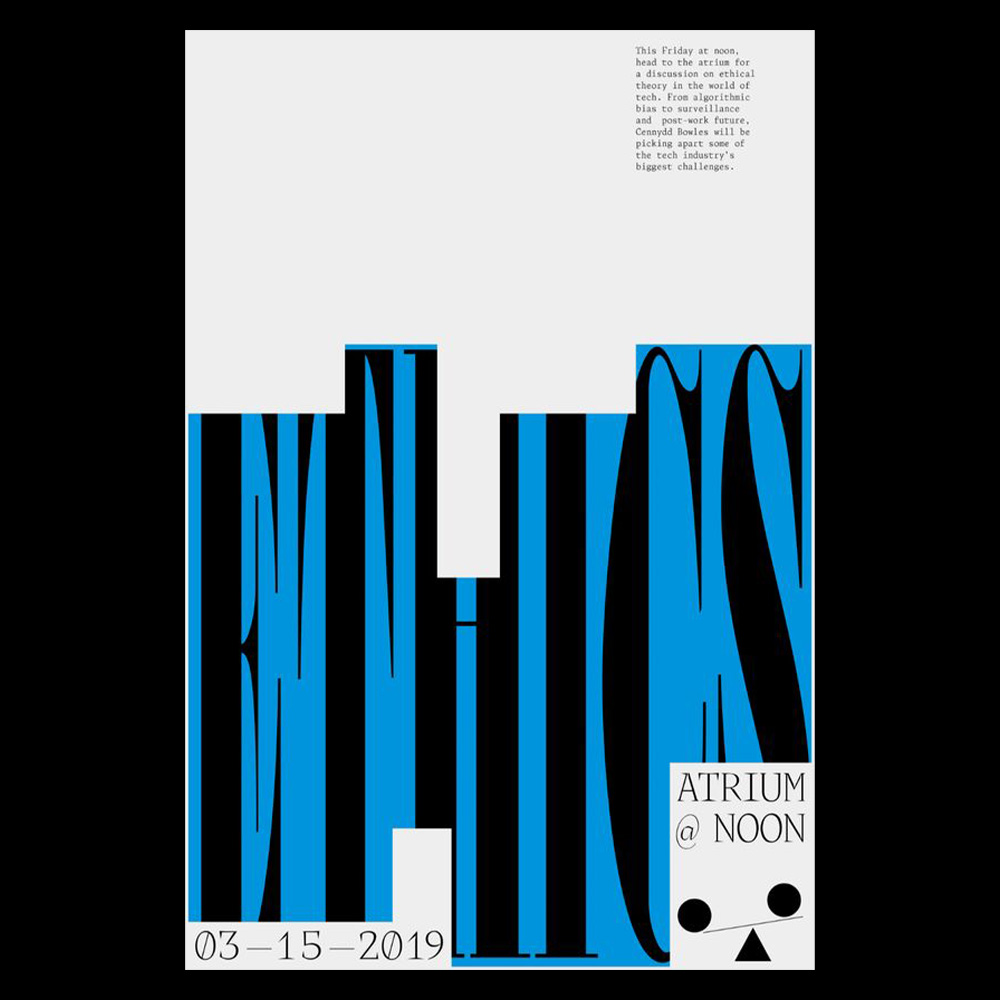
Credit: anothergraphic.org
Introduction To Future Tech In Editorial Design
Editorial graphic design is evolving. Future tech is at its core. Technology advances rapidly. Designers must adapt to stay relevant. This section explores how new tech shapes editorial design.
Emerging Technologies
Several technologies are impacting editorial design. Augmented Reality (AR) is one of them. AR blends digital elements with the physical world. It offers readers an interactive experience. Virtual Reality (VR) is also growing. VR immerses readers in a digital environment. It transforms how stories are told.
Artificial Intelligence (AI) is another key player. AI tools help automate design tasks. They can suggest layouts and color schemes. This saves time and boosts creativity. Machine learning is part of AI. It learns from data and improves over time. These technologies are changing design processes.
Impact On Graphic Design
Future tech impacts graphic design significantly. AR and VR offer new design possibilities. They allow for 3D graphics and animations. These elements engage readers more effectively. AI tools enhance productivity. They streamline repetitive tasks. This frees up designers to focus on creativity.
Interactive designs are becoming the norm. Readers expect engaging, dynamic content. Static images are less effective. Future tech helps meet these expectations. It opens up new avenues for storytelling. Designers can create more immersive experiences. The impact of these technologies is profound.
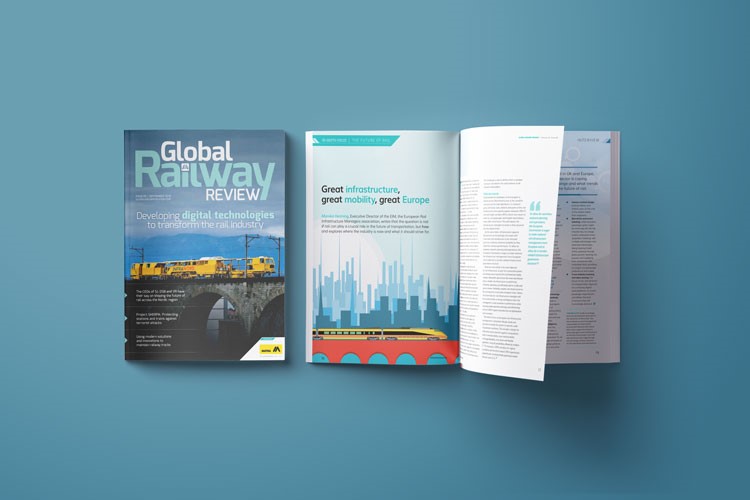
Credit: www.globalrailwayreview.com
Ai And Machine Learning
AI and Machine Learning are transforming the world of editorial graphic design. These technologies offer new ways to streamline the design process and create more engaging content. They help designers work more efficiently and produce personalized experiences for their audiences.
Design Automation
AI-powered tools can automate repetitive design tasks. This means designers can focus on creativity rather than mundane work. Design automation tools can generate layouts, choose color schemes, and even suggest fonts. These tools learn from past designs and improve over time. This leads to faster production and higher quality results.
Personalized Content
Machine Learning can analyze user data to create personalized content. This means each reader can see content tailored to their preferences. Personalized content increases engagement and makes readers feel valued. AI can track user behavior and adjust content in real-time. This ensures that the content remains relevant and interesting.
Augmented Reality (ar)
Augmented Reality (AR) is changing the face of editorial graphic design. By overlaying digital content onto the real world, AR creates interactive and immersive experiences. It offers new ways to engage and inform readers. This technology brings static designs to life, making them more dynamic and captivating.
Interactive Designs
With AR, editorial graphic design becomes interactive. Readers can scan a page with their devices to see animations or extra content. This adds a new layer of engagement.
For example, a magazine article about space can include 3D models of planets. Readers can rotate and explore these models from all angles. This level of interaction keeps readers interested and makes complex information easier to understand.
- 3D Models
- Animations
- Additional Content
Enhanced User Experience
AR enhances the user experience by providing more engaging content. It turns reading into an interactive activity. This keeps readers on the page longer and increases their interest.
Consider a fashion magazine. Readers can scan a page to see how an outfit looks in 360 degrees. They can even see it on different models. This personalized experience helps readers connect with the content on a deeper level.
| Feature | Benefit |
|---|---|
| 360-Degree Views | More detailed exploration |
| Interactive Models | Increased engagement |
Incorporating AR in editorial graphic design is not just a trend. It’s a way to make content more engaging and user-friendly. As AR technology improves, the possibilities for design will continue to expand.
Virtual Reality (vr)
Virtual Reality (VR) is changing the way we experience digital content. By creating immersive environments, VR allows us to interact with digital elements in a lifelike manner. This technology is transforming various fields, including editorial graphic design.
Immersive Storytelling
Immersive storytelling uses VR to engage readers in a new way. It enhances the narrative by placing the reader inside the story. This method creates a more personal and interactive experience.
For example, a news article about a natural disaster can include a VR component. Readers can explore the affected area in 3D, providing a deeper understanding of the event.
Key benefits of immersive storytelling in editorial design:
- Enhanced engagement: Readers feel part of the story.
- Deeper understanding: 3D visuals provide more context.
- Interactive elements: Users can explore the environment.
3d Graphics
3D graphics play a crucial role in VR for editorial design. They create realistic environments and objects that readers can interact with. This adds depth to the content and makes it more engaging.
Creating 3D graphics involves several steps:
- Modeling: Designing the 3D shapes and structures.
- Texturing: Adding colors and patterns to models.
- Rendering: Producing the final image or animation.
Tools used for creating 3D graphics include:
- Blender
- Maya
- 3ds Max
Incorporating 3D graphics in editorial design can:
- Increase engagement: Visuals are more captivating.
- Improve understanding: Complex ideas are easier to grasp.
- Offer interactivity: Readers can explore the graphics.
Sustainable Design Practices
Future tech in editorial graphic design is pushing boundaries. One key focus is on sustainable design practices. These practices not only benefit the environment but also create a positive impact on the industry. Let’s delve into some essential aspects of sustainable design.
Eco-friendly Materials
Using eco-friendly materials is crucial. Designers are now choosing recycled paper and biodegradable inks. These materials reduce waste and pollution. They also maintain high-quality prints.
- Recycled Paper: Made from used paper products. It’s a sustainable choice.
- Biodegradable Inks: These inks break down naturally. They cause less harm to the environment.
Energy-efficient Processes
Energy-efficient processes save resources. They also reduce costs. Designers now use digital tools and renewable energy.
| Process | Benefit |
|---|---|
| Digital Tools | Less physical waste. More flexibility. |
| Renewable Energy | Reduces carbon footprint. Saves energy. |
Adopting these practices brings numerous advantages. It creates a greener future. It also promotes a healthier planet.
Data-driven Design
Data-driven design is changing editorial graphic design. It uses data to guide design choices. This helps create more effective and engaging designs. By using data, designers can make informed decisions that resonate with the audience. This approach leads to better user experiences and improved outcomes.
Analytics Integration
Analytics integration plays a crucial role in data-driven design. It involves using tools to collect and analyze data. This data shows how users interact with designs. By understanding these interactions, designers can make adjustments. This results in more effective designs. Tools like Google Analytics provide valuable insights. These insights help designers understand what works and what doesn’t.
User Behavior Insights
User behavior insights offer a deeper understanding of audience preferences. These insights come from analyzing how users engage with designs. They reveal patterns and trends in user behavior. This information guides design decisions. For example, if users spend more time on certain elements, designers can focus on those areas. This ensures that the design meets user needs and expectations.
Minimalistic Design Trends
Minimalistic design trends have gained immense popularity in editorial graphic design. Future tech embraces simplicity, focusing on clean lines and functionality. This approach enhances user experience and ensures clear communication. The rise of minimalistic design reflects a shift towards elegant, clutter-free aesthetics.
Clean Aesthetics
Minimalistic design prioritizes clean, uncluttered aesthetics. This style uses ample white space, creating a sense of calm and order. Simple color schemes and typography enhance readability. Visual elements are reduced to essentials, ensuring each piece adds value. This clarity helps users focus on content without distractions.
Focus On Functionality
Functionality is at the core of minimalistic design. Each design element serves a purpose. This intentionality improves user interaction and accessibility. Simple navigation and intuitive layouts enhance usability. Users can quickly find information, improving their overall experience. Minimalistic design ensures that function drives form.
Future Of Typography
The Future of Typography in editorial graphic design is exciting. It’s a blend of tradition and technology. Typography is evolving. It now includes dynamic and responsive elements. This change is driven by new technologies. Let’s explore how typography is adapting in the future tech landscape.
Dynamic Fonts
Dynamic fonts are the future. They adapt to the context of the content. These fonts change based on user interaction. For example, a font might change shape when a user hovers over it. This creates a more engaging experience.
Dynamic fonts also improve readability. They adjust to different screen sizes and resolutions. This ensures text is always clear and legible. Here are some benefits of dynamic fonts:
- Improved readability
- Enhanced user engagement
- Better adaptability to various devices
Dynamic fonts use advanced coding. This allows designers to create unique, interactive text. It’s a powerful tool for editors and designers alike. It makes content more visually appealing.
Responsive Text
Responsive text is crucial in today’s digital world. It ensures text looks good on all devices. From smartphones to large monitors, the text adjusts seamlessly. This is essential for maintaining a professional look.
Responsive text uses flexible layouts and scalable units. This allows text to resize based on the screen size. It improves user experience and accessibility. Key features of responsive text include:
- Scalable font sizes
- Flexible layouts
- Enhanced readability on all devices
Designers use media queries to implement responsive text. This CSS technique adjusts the design based on device characteristics. It ensures consistency across different platforms. Responsive text is a cornerstone of modern web design.
In the future, responsive text will become more sophisticated. It will include more interactive features. This will further enhance user engagement. The future of typography is dynamic and responsive. It’s a thrilling time for editorial graphic design.

Credit: www.instagram.com
Frequently Asked Questions
What Is Editorial Graphic Design?
Editorial graphic design involves creating visually appealing layouts for publications. It includes magazines, books, and online articles. Designers focus on typography, images, and layout.
How Does Future Tech Impact Editorial Design?
Future tech impacts editorial design by providing advanced tools and techniques. It enhances creativity, efficiency, and interactivity. Designers can create more engaging and dynamic content.
What Tools Are Used In Editorial Graphic Design?
Common tools include Adobe InDesign, Photoshop, and Illustrator. These tools help in creating layouts, editing images, and designing graphics.
Why Is Typography Important In Editorial Design?
Typography enhances readability and aesthetics. It guides readers through the content and sets the tone. Good typography improves the overall design quality.
Conclusion
Editorial graphic design on future tech holds exciting possibilities. Designers will blend creativity with advanced technology. They will create engaging, impactful visuals. Future trends will shape unique, user-friendly designs. Staying updated is crucial for success. Embrace change and innovation in your design process.
Keep learning and evolving. The future of editorial graphic design is bright and dynamic. Adapt and thrive in this ever-changing landscape. Design with purpose and creativity. The future awaits your artistic touch.