
Automotive electricity and electronics are crucial in modern vehicles. They power various systems and enhance overall performance.
In today’s automotive world, understanding electricity and electronics is essential. Modern cars rely heavily on these technologies for everything from starting the engine to advanced safety features. This blog will explore the basics of automotive electricity and electronics, helping you grasp their importance.
Whether you’re a car enthusiast or a novice, knowing how these systems work can enhance your appreciation for your vehicle. Stay tuned as we delve into the fascinating world of automotive electricity and electronics.
Introduction To Automotive Electronics
Automotive electronics have transformed the way we drive and interact with our vehicles. The integration of advanced electronics in cars has improved safety, efficiency, and convenience. Understanding these systems can help you appreciate the technology in your vehicle.
Evolution Of Vehicle Systems
In the past, cars relied on mechanical systems. These systems were simple and required manual control. Over time, vehicles evolved to include electrical systems. These systems offered more reliability and better performance.
Today, modern cars use complex electronic systems. These systems manage everything from engine performance to in-car entertainment. The shift to electronics has been driven by the need for better fuel efficiency and emissions control. It has also improved safety features like airbags and anti-lock brakes.
Importance Of Electronics In Modern Vehicles
Electronics play a crucial role in modern vehicles. They control vital functions like engine management and transmission. This leads to better fuel economy and reduced emissions. Advanced driver assistance systems (ADAS) rely heavily on electronics. These systems include lane departure warnings and adaptive cruise control. They enhance driver safety and comfort.
In-car entertainment and connectivity are also electronic-driven. Features like GPS navigation and Bluetooth connectivity make driving more enjoyable. Modern vehicles also use electronics for diagnostics. This helps in identifying issues quickly and accurately. Thus, automotive electronics are essential for the efficiency, safety, and enjoyment of modern vehicles.
Basic Electrical Principles
Understanding the basic electrical principles is crucial in automotive electricity and electronics. These principles form the foundation for diagnosing and repairing electrical systems in vehicles. Let’s delve deeper into some key concepts that every automotive technician should know.
Ohm’s Law And Circuit Theory
Ohm’s Law is fundamental in understanding electrical circuits. It describes the relationship between voltage, current, and resistance. The law states that the current through a conductor is directly proportional to the voltage across it. It is inversely proportional to the resistance. The formula is simple: V = I R, where V stands for voltage, I for current, and R for resistance.
Circuit theory involves analyzing how components within an electrical circuit interact. It helps in understanding how current flows through different paths. By using Ohm’s Law and circuit theory, technicians can predict how an electrical system will behave.
Voltage, Current, And Resistance
Voltage, current, and resistance are the three pillars of any electrical system. Voltage, measured in volts, is the force that pushes electric charges through a circuit. Think of it as the pressure that drives electrical flow.
Current, measured in amperes (amps), is the rate at which electric charges flow. It’s like the flow rate of water in a pipe. Resistance, measured in ohms, opposes the flow of current. It is similar to the friction that water faces in a pipe.
Grasping these concepts is vital for diagnosing electrical issues. It helps in understanding how and why a component might fail.
Automotive Wiring And Circuitry
Understanding automotive wiring and circuitry is crucial for anyone interested in vehicle maintenance or repair. The complex network of wires and circuits ensures your car’s electrical system runs smoothly. Learning about the different types of wires, connectors, and how to read and create wiring diagrams can enhance your automotive knowledge.
Types Of Wires And Connectors
In automotive wiring, various wires and connectors are used to handle different electrical loads. Here are some common types:
- Primary Wires: These are the most common wires found in a vehicle’s electrical system. They handle low to moderate current and are used for general purposes.
- Battery Cables: These thick, heavy-duty cables connect the battery to the vehicle’s starter and other high-current devices.
- Shielded Wires: Used for sensitive electronics, these wires prevent interference from external sources.
Connectors play a vital role in ensuring secure and reliable connections between wires. Some common types include:
- Butt Connectors: Used to connect two wires end-to-end.
- Ring Terminals: These connectors have a ring-shaped end that fits over a bolt or screw.
- Spade Terminals: Similar to ring terminals but with a forked end, making them easier to connect and disconnect.
Reading And Creating Wiring Diagrams
Wiring diagrams are essential for understanding a vehicle’s electrical system. They provide a visual representation of the components and connections within the system. Here are some tips for reading and creating wiring diagrams:
- Identify Symbols: Familiarize yourself with common symbols used in wiring diagrams, such as switches, relays, and grounds.
- Follow the Flow: Trace the path of the circuit from the power source to the ground. This helps in understanding the flow of electricity.
- Color Coding: Pay attention to color codes. Different colors represent different types of wires, making it easier to follow the diagram.
Creating wiring diagrams involves mapping out each component and its connections. Use the following steps:
- List Components: Write down all the components involved in the circuit.
- Draw Connections: Use lines to represent wires connecting the components. Ensure you follow the correct flow of electricity.
- Label Clearly: Add labels to each component and wire for clarity.
By mastering automotive wiring and circuitry, you can troubleshoot and repair your vehicle’s electrical system with ease.

Credit: www.cengage.com
Battery And Charging Systems
Understanding battery and charging systems is essential for every car owner. These systems ensure your vehicle starts and runs smoothly. They also power various electrical components. Let’s dive into the key elements of battery and charging systems.
Battery Types And Maintenance
There are various types of car batteries. Lead-acid batteries are the most common. They are affordable and reliable. Lithium-ion batteries are lightweight and last longer. They are often used in electric cars. Maintenance is crucial for battery longevity. Check the battery terminals for corrosion. Clean them if needed. Regularly check the water levels in lead-acid batteries. Add distilled water if necessary. Keep the battery charged. Use a battery charger if the car is not used for long periods.
Alternators And Regulators
The alternator charges the battery while the engine runs. It converts mechanical energy into electrical energy. This powers the car’s electrical systems and recharges the battery. A faulty alternator can drain the battery. Look out for dimming headlights or warning lights on the dashboard. Regulators control the voltage from the alternator. They ensure the battery receives the correct voltage. This prevents overcharging or undercharging. Regular checks can prevent unexpected breakdowns.
Starting Systems
The starting system in a car is crucial for engine ignition. It involves several components working together. These components ensure the engine starts smoothly. Understanding this system is key to maintaining your vehicle.
Starter Motor Components
The starter motor is vital in the starting system. It converts electrical energy into mechanical energy. This helps the engine crank. The main parts of a starter motor include:
- Armature: Rotates to create mechanical motion.
- Commutator: Provides electrical contact points.
- Field Coils: Generate magnetic fields.
- Brushes: Conduct electricity between stationary and moving parts.
- Solenoid: Engages the starter motor with the engine.
Ignition Switches And Relays
The ignition switch starts the electrical process. It sends power to the starter motor. This action begins the engine ignition. Ignition switches come in different types:
| Type | Description |
|---|---|
| Key-operated | Traditional switch operated by a key. |
| Push-button | Modern switch activated by a button. |
Relays are also essential. They act as switches within the electrical system. Relays control the flow of electricity. They protect the starter motor from damage. Relays include:
- Starter Relay: Engages the starter motor.
- Ignition Relay: Controls power to the ignition system.
By understanding these components, you can better maintain your vehicle. Proper maintenance ensures a reliable starting system. This keeps your car running smoothly.

Credit: www.pearson.com
Lighting And Signaling Systems
Lighting and signaling systems are crucial in every vehicle. They ensure safety and communication on the road. These systems include various lights and signals. Each part has a specific function.
Headlights And Taillights
Headlights and taillights are essential for night driving. Headlights illuminate the road ahead. They improve visibility in low-light conditions. Most modern cars use LED or HID headlights.
Taillights are located at the rear. They alert drivers behind you. They turn on when you switch on the headlights. They help others see your vehicle in the dark.
Here is a simple comparison of headlight types:
| Type | Brightness | Energy Efficiency |
|---|---|---|
| LED | High | Very Efficient |
| HID | Very High | Efficient |
| Halogen | Moderate | Less Efficient |
Turn Signals And Hazard Lights
Turn signals indicate your intention to turn. They help prevent accidents. They are usually located at the front and rear corners. They blink on and off to show direction.
Hazard lights are for emergencies. They alert other drivers to a problem. They are activated by pressing a button. Both front and rear turn signals flash together.
Here is how to use them effectively:
- Use turn signals at least 100 feet before turning.
- Check your mirrors before activating turn signals.
- Use hazard lights when stopping unexpectedly.
Advanced Driver Assistance Systems (adas)
Advanced Driver Assistance Systems (ADAS) represent a leap in automotive technology. These systems enhance vehicle safety and improve the driving experience. ADAS employs a range of technologies to assist drivers in various situations.
Sensors And Cameras
ADAS relies heavily on sensors and cameras to function effectively. These components gather real-time data about the vehicle’s surroundings. Sensors detect obstacles, lane markings, and other vehicles. They provide critical information to the ADAS system.
Cameras, on the other hand, capture visual data. This data is used for functions like lane-keeping assistance and traffic sign recognition. Multiple cameras are often placed around the vehicle. This setup ensures a 360-degree view, enhancing safety and decision-making.
| Component | Function |
|---|---|
| Sensors | Detect obstacles and lane markings |
| Cameras | Capture visual data for analysis |
Autonomous Driving Technologies
Autonomous driving technologies are a significant part of ADAS. These technologies aim to reduce human intervention in driving. They enable vehicles to navigate and make decisions independently.
Key technologies include:
- Radar: Measures the speed and distance of objects.
- LiDAR: Uses laser light to create detailed 3D maps.
- GPS: Provides accurate location data.
- Machine Learning: Helps the system learn from data and improve performance.
These technologies work together to enable features like adaptive cruise control and automated parking. They also form the foundation for future fully autonomous vehicles.
Infotainment And Connectivity
In modern vehicles, infotainment and connectivity systems have become essential. They enhance the driving experience by providing entertainment, navigation, and seamless communication. These systems keep drivers and passengers connected to the digital world.
Audio And Navigation Systems
Today’s cars come equipped with advanced audio and navigation systems. These systems deliver high-quality sound and precise directions. They often include:
- Touchscreen interfaces
- Voice recognition
- Real-time traffic updates
Touchscreen interfaces make it easy to control music and navigation. Voice recognition allows hands-free operation, keeping drivers focused on the road. Real-time traffic updates help avoid delays and find the fastest routes.
Bluetooth And Wireless Connectivity
Bluetooth and wireless connectivity are essential features in modern vehicles. They allow devices to connect without cables. With Bluetooth, you can:
- Make hands-free calls
- Stream music wirelessly
- Access contacts and messages
Wireless connectivity also includes Wi-Fi hotspots. These hotspots enable passengers to stay connected to the internet on the go. This feature is particularly useful for long trips.
| Feature | Benefit |
|---|---|
| Touchscreen Interfaces | Easy control of music and navigation |
| Voice Recognition | Hands-free operation |
| Real-time Traffic Updates | Avoid delays |
| Bluetooth Connectivity | Hands-free calls and wireless streaming |
| Wi-Fi Hotspots | Internet access on the go |
In summary, infotainment and connectivity systems play a crucial role in modern vehicles. They offer convenience, entertainment, and safety for both drivers and passengers.
Diagnostic Tools And Techniques
Automotive electricity and electronics are essential for modern vehicles. Understanding these systems helps in diagnosing and fixing issues. Diagnostic tools and techniques play a vital role. They ensure vehicles run smoothly and efficiently.
On-board Diagnostics (obd)
On-Board Diagnostics (OBD) systems are standard in most vehicles. They help identify and diagnose problems. OBD systems monitor vehicle performance. They record data on engine, transmission, and other systems.
Mechanics use OBD scanners to read diagnostic trouble codes (DTCs). These codes pinpoint specific issues. An OBD scanner connects to the vehicle’s OBD port. This port is usually under the dashboard. Once connected, the scanner retrieves codes and displays them.
Some common OBD codes are P0171 (system too lean) and P0300 (random/multiple cylinder misfire detected). Understanding these codes helps in troubleshooting. It saves time and effort in repairs.
Using Multimeters And Oscilloscopes
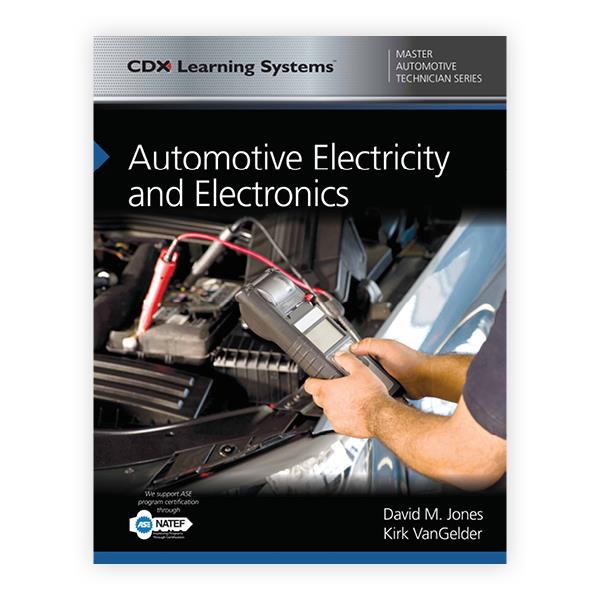
Multimeters and oscilloscopes are essential for electrical diagnostics. They measure voltage, current, and resistance in circuits. A multimeter is a versatile tool. It can test batteries, sensors, and wiring.
To use a multimeter, set it to the correct measurement mode. Connect the probes to the circuit. Read the display for measurements. This helps in identifying issues like short circuits or faulty components.
An oscilloscope provides visual representation of electrical signals. It displays waveforms on a screen. This helps in analyzing signals from sensors and actuators. Using an oscilloscope requires connecting probes to the circuit. The screen shows voltage changes over time. This visual data is valuable for diagnosing complex issues.
Below is a comparison table of multimeters and oscilloscopes:
| Tool | Function | Advantages |
|---|---|---|
| Multimeter | Measures voltage, current, resistance | Portable, easy to use, versatile |
| Oscilloscope | Displays electrical waveforms | Visual analysis, detailed insights |
Credit: www.cdxlearning.com
Future Trends In Automotive Electronics
The automotive industry is rapidly evolving with technological advancements. The future of automotive electronics is promising. Innovations in this field are reshaping how vehicles operate. Let’s explore some of the key trends.
Electric And Hybrid Vehicles
Electric and hybrid vehicles are gaining popularity. They offer environmental benefits and fuel efficiency. These vehicles use advanced electronics for better performance. Battery management systems are crucial for electric cars. They ensure optimal battery usage and longevity.
Electric motors replace traditional engines. They provide instant torque and smooth acceleration. Regenerative braking systems capture energy during braking. This energy is stored in the battery for later use.
Hybrid vehicles combine electric motors with internal combustion engines. This reduces fuel consumption and emissions. Advanced control systems manage the power flow between the engine and the motor. This ensures the best performance and efficiency.
Integration Of Ai And Iot
Artificial Intelligence (AI) and the Internet of Things (IoT) are transforming vehicles. They enhance safety, comfort, and convenience. AI algorithms analyze data from various sensors. This helps in making real-time decisions.
IoT connects vehicles to the internet. This enables features like remote diagnostics and software updates. It also supports vehicle-to-vehicle (V2V) and vehicle-to-infrastructure (V2I) communication. These technologies improve traffic management and reduce accidents.
AI-powered driver assistance systems are becoming common. They include features like adaptive cruise control and lane-keeping assist. These systems enhance driving experience and safety.
Smart infotainment systems provide personalized experiences. They use AI to recommend music, routes, and other preferences. IoT integration ensures seamless connectivity with other devices and services.
Frequently Asked Questions
What Is Automotive Electricity?
Automotive electricity powers a vehicle’s electrical systems. It includes the battery, alternator, and wiring.
How Does An Alternator Work?
An alternator generates electricity. It charges the battery and powers electrical systems while the engine runs.
Why Is A Car Battery Important?
A car battery starts the engine. It also powers electrical components when the engine is off.
What Are Common Electrical Problems In Cars?
Common issues include dead batteries, faulty alternators, and blown fuses. Also, wiring problems can occur.
How Can You Test A Car Battery?
Use a multimeter to check voltage. A healthy battery reads around 12. 6 volts when the engine is off.
What Is The Role Of Fuses In Cars?
Fuses protect electrical circuits. They prevent overloads and short circuits by breaking the circuit if needed.
How Often Should You Check Car Electronics?
Regular checks are good. Check electronics during routine maintenance or if you notice any issues.
Conclusion
Understanding automotive electricity and electronics is essential. These systems power modern vehicles. They ensure safety and enhance performance. Learning about them can be rewarding. It offers insights into your car’s functions. Keep exploring this field. Stay informed and enjoy a smoother ride.
Your knowledge can make a difference.