
Automotive electronics engineering is a vital field in modern vehicle design. It combines electronics and automotive technology to enhance vehicle performance and safety.
Imagine driving a car that can park itself, detect obstacles, and even assist in driving. These advancements are possible due to automotive electronics engineering. This field involves the design and development of electronic systems used in vehicles. From engine control units to infotainment systems, automotive electronics engineers create the technology that makes cars smarter and safer.
Understanding this field opens doors to innovation in the automotive industry. Whether you’re a tech enthusiast or a professional, exploring automotive electronics engineering can be both exciting and rewarding.

Credit: www.testxchange.com
Introduction To Automotive Electronics
Automotive electronics refer to the electronic systems used in vehicles. These systems control everything from the engine to the infotainment system. They are essential for modern vehicles, providing safety, comfort, and efficiency.
History Of Automotive Electronics
The history of automotive electronics began in the 1960s. Engineers started using simple electronic devices to control basic functions. Over time, these systems evolved. By the 1980s, vehicles had electronic fuel injection and anti-lock brakes. These advancements improved performance and safety.
In the 1990s, onboard diagnostics became common. This allowed technicians to identify problems quickly. The 21st century saw a boom in electronic features. Today, cars have complex systems like adaptive cruise control and lane-keeping assistance.
Importance In Modern Vehicles
Modern vehicles rely heavily on electronics. These systems enhance safety. Features like airbags, stability control, and collision avoidance depend on electronic control units (ECUs).
Electronics also improve comfort and convenience. Climate control, power windows, and keyless entry are examples. These features make driving more enjoyable.
Moreover, electronics boost efficiency. Engine management systems optimize fuel consumption. Hybrid and electric vehicles use advanced electronics to function.
Entertainment is another area where electronics play a key role. Infotainment systems offer navigation, music, and connectivity. They keep drivers informed and passengers entertained.
| Category | Examples |
|---|---|
| Safety | Airbags, Anti-lock Brakes, Collision Avoidance |
| Comfort | Climate Control, Power Seats, Keyless Entry |
| Efficiency | Engine Management, Hybrid Systems, Electric Drivetrains |
| Entertainment | Navigation, Music Systems, Connectivity |
In conclusion, automotive electronics are vital. They make vehicles safer, more comfortable, efficient, and enjoyable. The future promises even more innovations. Stay tuned for the next wave of advancements.
Key Components
In the world of automotive electronics engineering, several key components play crucial roles. These elements ensure vehicles operate efficiently, safely, and smartly. This section delves into the primary components that make modern vehicles so advanced.
Sensors And Actuators
Sensors and actuators are fundamental in automotive electronics. Sensors gather data from various parts of the vehicle. For example, they measure speed, temperature, and pressure. This data is vital for the vehicle’s operation. Sensors like oxygen sensors help maintain engine efficiency. They monitor the air-fuel ratio, ensuring optimal combustion.
Actuators, on the other hand, perform actions based on the data received from sensors. They convert electrical signals into physical movement. Fuel injectors are a common type of actuator. They control the amount of fuel entering the engine. This ensures the engine runs smoothly and efficiently.
Control Units
Control units are the brains behind the vehicle’s electronic systems. The Engine Control Unit (ECU) is a prime example. It manages engine performance and fuel efficiency. The ECU processes data from various sensors. It then adjusts the engine’s parameters for optimal performance.
Another vital control unit is the Transmission Control Unit (TCU). It oversees gear shifting in automatic transmissions. The TCU ensures smooth and efficient gear changes. This enhances the driving experience and improves fuel economy.
Other control units include the Body Control Module (BCM) and the Powertrain Control Module (PCM). Each has specific functions. Together, they ensure the vehicle operates seamlessly.
Engine Management Systems
Engine Management Systems play a crucial role in modern vehicles. These systems control various engine functions to ensure optimal performance. They monitor and manage fuel delivery, ignition timing, and other critical parameters. This improves fuel efficiency, reduces emissions, and enhances driving experience. Let’s delve into two main components of Engine Management Systems.
Fuel Injection Systems
Fuel Injection Systems are essential for delivering fuel to the engine. They ensure the right amount of fuel mixes with air. This mixture is crucial for combustion efficiency. Modern systems use electronic controls for precise fuel delivery. Sensors monitor engine conditions. The control unit adjusts fuel flow based on this data. This leads to better performance and lower emissions.
Ignition Systems
Ignition Systems ignite the air-fuel mixture in the engine’s cylinders. They create a spark at the right moment. This timing is vital for efficient combustion. Electronic Ignition Systems are now common in vehicles. These systems use sensors to determine the best spark timing. The control unit adjusts the ignition based on engine conditions. This results in smoother engine operation and improved fuel economy.
Safety And Driver Assistance
Safety and driver assistance are vital aspects of automotive electronics engineering. These systems ensure drivers and passengers stay safe on the road. They also help in reducing the likelihood of accidents. Advanced technology in vehicles offers robust protection and assistance to drivers.
Anti-lock Braking Systems (abs)
Anti-lock Braking Systems (ABS) prevent wheels from locking up during braking. ABS allows the driver to maintain steering control. It is especially useful on slippery surfaces. ABS reduces the risk of skidding. It helps in maintaining vehicle stability during sudden stops.
Airbags And Seatbelt Systems
Airbags and seatbelt systems are crucial for passenger safety. Airbags deploy during collisions to cushion impact. They protect the head and chest from injury. Seatbelts secure passengers in place. They reduce the risk of injury by preventing movement.
Together, airbags and seatbelts save lives. They are essential components of modern automotive safety. Engineers continuously improve these systems for better protection.
Infotainment And Connectivity
Automotive electronics engineering has brought significant advancements in infotainment and connectivity. These features enhance the driving experience. They ensure drivers and passengers stay entertained and informed. Modern vehicles come equipped with advanced systems that integrate entertainment and navigation seamlessly.
Navigation Systems
Navigation systems are crucial in today’s vehicles. They help drivers find the best routes and avoid traffic. Advanced navigation systems offer features like:
- Real-time traffic updates: This helps in choosing the quickest route.
- Voice-guided directions: Keeps the driver’s focus on the road.
- Points of interest: Locates nearby gas stations, restaurants, and more.
These systems use GPS technology to provide accurate information. They are integrated with the car’s dashboard, making them easy to use. Some systems also offer 3D maps for better visualization.
In-car Entertainment
In-car entertainment systems keep passengers engaged during the drive. They include a variety of features, such as:
- High-quality audio systems: For an immersive music experience.
- Video playback: Allows watching movies and shows on the go.
- Bluetooth connectivity: Enables wireless streaming from smartphones.
These systems often come with touchscreens and voice controls. They support multiple media formats and streaming services. With these features, long drives become enjoyable and less tedious.
| Feature | Benefit |
|---|---|
| Real-time traffic updates | Avoids delays and saves time |
| Voice-guided directions | Ensures safe driving |
| High-quality audio | Enhances music experience |
| Bluetooth connectivity | Provides wireless convenience |
In conclusion, infotainment and connectivity systems improve the driving experience. They offer convenience, safety, and entertainment. As technology advances, these systems will become even more sophisticated and user-friendly.
Electric And Hybrid Vehicles
Electric and hybrid vehicles are changing the way we think about transportation. These cars use electricity to reduce reliance on fossil fuels. They offer a cleaner and more efficient way to travel. Their popularity is growing worldwide.
Battery Management Systems
The battery is the heart of any electric vehicle. Battery management systems (BMS) ensure the battery works efficiently. They control the charging and discharging of the battery. A good BMS extends the battery’s life.
Here are some key functions of a BMS:
- Monitoring battery health
- Balancing cell voltage
- Protecting against overcharging
Without a BMS, the battery could get damaged. This would reduce the vehicle’s range. It could also lead to safety issues.
Charging Infrastructure
Charging infrastructure is essential for electric vehicles. It includes charging stations where cars can recharge. The availability of these stations affects the convenience of using electric cars.
There are different types of charging stations:
- Level 1: Slow charging, uses standard household outlets
- Level 2: Faster, requires special equipment
- DC Fast Charging: Very fast, found in public places
The table below shows a comparison:
| Charging Level | Charging Speed | Location |
|---|---|---|
| Level 1 | Slow | Home |
| Level 2 | Medium | Home/Public |
| DC Fast Charging | Fast | Public |
Expanding the charging infrastructure is key. It will make electric vehicles more practical. More charging stations will mean less waiting time. It will also reduce range anxiety.
Autonomous Driving Technology
Autonomous driving technology is transforming the automotive industry. This technology is making vehicles smarter and safer. With advancements in sensors and software, cars can now drive themselves. Let’s explore the key aspects of autonomous driving technology.
Levels Of Autonomy
Autonomous driving can be classified into five levels. Each level represents a step closer to full automation.
| Level | Description |
|---|---|
| Level 1 | Driver Assistance: Basic assistance like cruise control. |
| Level 2 | Partial Automation: The car can control steering and speed but requires human oversight. |
| Level 3 | Conditional Automation: The car can handle most driving tasks, but human intervention is needed. |
| Level 4 | High Automation: The car can operate without human input in most conditions. |
| Level 5 | Full Automation: The car can drive itself in all conditions without human input. |
Key Technologies
Several key technologies enable autonomous driving. These technologies work together to create a seamless driving experience.
- Sensors: Sensors like cameras, radar, and LiDAR collect data about the car’s surroundings.
- Artificial Intelligence: AI processes the data and makes real-time decisions.
- Connectivity: The car communicates with other vehicles and infrastructure for safe navigation.
- Advanced Driver Assistance Systems (ADAS): ADAS features like lane-keeping assist and automatic braking enhance safety.
These technologies are crucial for the development of autonomous vehicles. They ensure safety and efficiency on the road.

Credit: www.sciencedirect.com
Challenges In Automotive Electronics
Automotive electronics engineering is growing fast. But it faces many challenges. These challenges impact safety, reliability, and user experience. Engineers must address these issues to improve performance and security. This section explores some key challenges in automotive electronics.
Cybersecurity Threats
Cybersecurity is a major concern. Modern cars have many electronic systems. These systems communicate through networks. This creates opportunities for hackers. They can access and control vehicle functions. This poses serious safety risks.
To counter these threats, engineers implement strong security measures. These include:
- Encryption techniques to protect data
- Secure communication protocols
- Regular software updates
Still, the rapid evolution of technology means new threats emerge constantly. Engineers must stay vigilant and proactive. Ensuring cybersecurity in automotive electronics is a continuous effort.
Component Reliability
Component reliability is crucial in automotive electronics. Vehicles operate in harsh environments. High temperatures, vibrations, and moisture can affect electronic components. These factors lead to failures if not properly addressed.
To ensure reliability, engineers focus on:
- Robust component design
- Stringent testing procedures
- Quality control during manufacturing
Engineers use advanced materials and techniques to improve durability. Regular maintenance and inspections also help in identifying potential issues early. High reliability leads to better performance and customer satisfaction.
Component reliability and cybersecurity are just two challenges. Addressing these ensures safer, more reliable vehicles. Engineers must continue innovating to meet these demands.
Future Trends
Automotive electronics engineering is evolving rapidly. The future trends in this field are exciting and transformative. Emerging technologies like artificial intelligence and the Internet of Things are set to redefine our driving experiences. This blog section explores these trends in detail.
Artificial Intelligence In Vehicles
Artificial intelligence (AI) is making vehicles smarter. AI systems can process vast amounts of data quickly. This helps in making real-time decisions on the road. For instance, AI improves autonomous driving by recognizing objects and predicting their movements. AI can also enhance driver assistance systems. These systems can alert drivers to potential hazards, making driving safer. AI can even personalize the driving experience. It can adjust settings based on driver preferences, creating a more comfortable ride.
Internet Of Things (iot) Integration
The Internet of Things (IoT) is connecting vehicles to the world. IoT allows cars to communicate with each other and with infrastructure. This communication can improve traffic flow and reduce accidents. IoT integration also enhances vehicle diagnostics. Cars can send real-time data to manufacturers for predictive maintenance. This helps in identifying issues before they become major problems. IoT can also provide a better user experience. Connected cars can offer features like remote start, location tracking, and more. These advancements make driving more convenient and enjoyable.
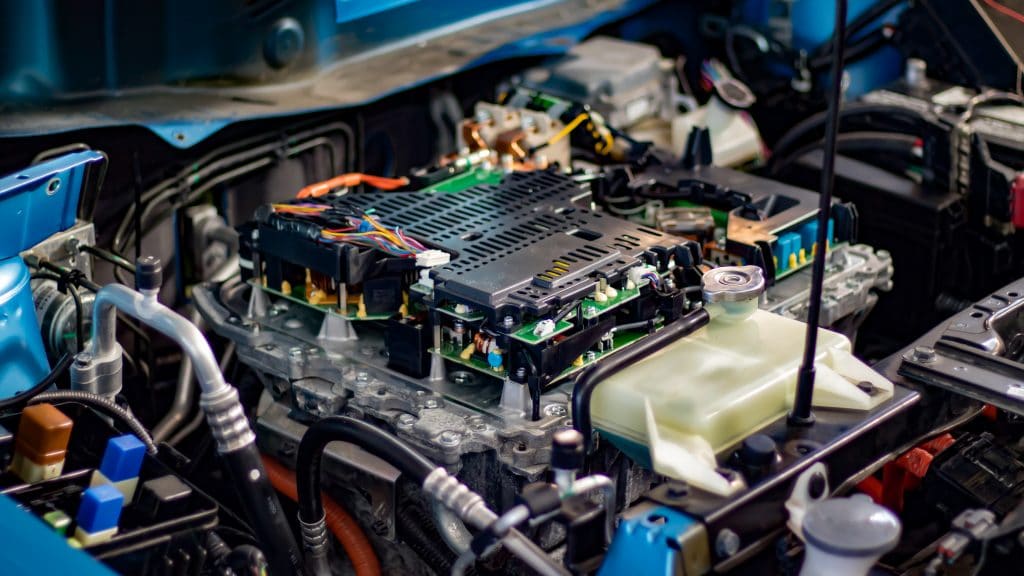
Credit: electrolube.com
Frequently Asked Questions
What Is Automotive Electronics Engineering?
Automotive electronics engineering focuses on developing electronic systems for vehicles. It includes sensors, control units, and infotainment systems.
Why Is Automotive Electronics Important?
Automotive electronics enhance vehicle performance, safety, and comfort. They help in navigation, collision avoidance, and entertainment.
What Are Common Automotive Electronic Systems?
Common systems include engine control units, airbag systems, anti-lock braking systems, and infotainment.
How Do Automotive Electronics Improve Safety?
They monitor vehicle functions and surroundings. Systems like ABS and airbags reduce accident risks.
What Skills Are Needed In Automotive Electronics Engineering?
Skills include knowledge of electronics, programming, and automotive systems. Problem-solving and attention to detail are crucial.
Can Automotive Electronics Reduce Fuel Consumption?
Yes, systems like engine control units optimize fuel use. They improve efficiency and reduce emissions.
What Is The Future Of Automotive Electronics?
Future trends include autonomous driving, advanced driver-assistance systems, and electric vehicles. Technology will continue to evolve.
Conclusion
Automotive electronics engineering plays a crucial role in modern vehicles. It enhances safety, efficiency, and convenience. With advancements in technology, the future of automotive electronics looks promising. Engineers continue to innovate, creating smarter, more reliable systems. Understanding these developments can help you appreciate your car’s capabilities.
Stay informed about new trends in this exciting field. This knowledge can lead to better decisions when maintaining or upgrading your vehicle. Embrace the future of automotive electronics and enjoy a safer, more efficient driving experience.