
Video games are more popular than ever. But what do they do to our brains?
Understanding the effects of video games on the brain is important in today’s world. We spend countless hours immersed in these virtual worlds. This blog explores the impact of video games on our cognitive functions, emotions, and behavior. How do they shape our minds?
Do they benefit or harm us? The brain is a complex organ. Video games can influence it in many ways. From enhancing memory and problem-solving skills to potentially causing addiction and aggression, the effects are varied. This introduction sets the stage for a deeper look into how our favorite pastime influences our mental health and development. Stay tuned as we dive into the fascinating world of video games and their impact on the brain.
Introduction To Video Games And The Brain
Video games have become a huge part of our lives. They entertain, challenge, and sometimes even educate us. But what do they do to our brains? This blog explores the effects of video games on the brain, starting with an introduction to how they interact with our minds.
Brief History Of Video Games
The first video game was created in the 1950s. It was a simple tennis game. In the 1970s, arcade games became popular. Games like Pac-Man and Space Invaders were big hits. Home consoles appeared in the 1980s. Nintendo and Atari led the market. Since then, video games have evolved. They now offer immersive, lifelike experiences.
How Video Games Engage The Brain
Video games stimulate several brain areas. They improve hand-eye coordination. Players must react quickly. This strengthens their reflexes. Games also require problem-solving skills. Puzzles and strategy games challenge the mind. They boost cognitive abilities. Many games involve multitasking. Players manage many actions at once. This enhances focus and attention.
Video games can also affect emotions. Exciting games release dopamine. This makes players feel happy and rewarded. Complex storylines engage the emotional centers of the brain. Players connect with characters. They feel empathy and compassion. These experiences can improve emotional intelligence.
In summary, video games interact deeply with our brains. They offer both challenges and rewards. They make us think, react, and feel.

Credit: www.itgsnews.com
Cognitive Benefits
Video games have many cognitive benefits. They can enhance brain function. Players often develop skills that help them in real life. This section will explore two key benefits: enhanced problem-solving skills and improved hand-eye coordination.
Enhanced Problem-solving Skills
Many video games require players to solve puzzles. This helps improve problem-solving abilities. Gamers learn to think quickly and make decisions. They often face complex challenges in games. Overcoming these challenges sharpens their minds. Players also develop better planning skills. They must plan moves ahead to win. This skill is useful in everyday life.
Improved Hand-eye Coordination
Video games also boost hand-eye coordination. Players must use their hands to control the game. They watch the screen to see what happens next. This trains their brains to react quickly. It improves their coordination and reflexes. Many studies support this benefit. Gamers often have better motor skills. They can perform tasks more accurately. This skill is helpful in sports and other activities.
Emotional And Social Effects
Video games have become a significant part of many people’s lives. They can impact our emotions and social behaviors. Understanding these effects can help us make better choices about our gaming habits.
Stress Relief And Relaxation
Playing video games can provide an excellent way to relieve stress. Engaging in a game allows players to escape from their daily problems. It offers a break from reality, which can be very relaxing.
Games that involve problem-solving or strategy can also be therapeutic. They engage the mind and distract from stressors. Many people find comfort in the repetitive and predictable nature of some games.
| Type of Game | Stress Relief |
|---|---|
| Puzzle | High |
| Action | Moderate |
| Simulation | Low |
Even short sessions of gaming can help in reducing stress. This makes video games a popular choice for unwinding after a long day.
Impact On Social Interaction
Video games are not just solo activities. Many games encourage social interaction. Online multiplayer games connect players from around the world. This can lead to new friendships and social bonds.
Communication in these games can improve social skills. Players often work together to achieve common goals. This teamwork can translate into better collaboration skills in real life.
- Enhanced communication skills
- Building teamwork abilities
- Fostering friendships
Local multiplayer games also bring people together. Friends and family can play together, strengthening their relationships. The shared experience of gaming can be a bonding activity.
While excessive gaming can lead to social isolation, balanced gaming can enhance social connections. It is about finding the right balance to enjoy the positive social impacts of gaming.

Credit: www.thekurzweillibrary.com
Negative Impacts On The Brain
Video games are entertaining and educational. But they can also have negative effects on the brain. Understanding these impacts helps to make informed choices about gaming habits.
Addiction And Dependency
One of the major negative effects of video games on the brain is addiction and dependency. Some individuals play video games excessively. This can lead to a form of addiction. Signs of gaming addiction include:
- Spending excessive time gaming
- Neglecting responsibilities
- Feeling restless when not playing
This addiction can alter brain structure. The brain’s reward system becomes highly sensitive to gaming. This makes it harder to feel pleasure from other activities. It can also impact mental health. Anxiety and depression often accompany gaming addiction.
Potential For Increased Aggression
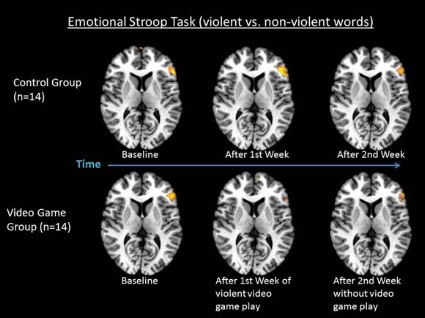
Another concerning effect is the potential for increased aggression. Many video games involve violent content. Regular exposure to violent games can desensitize the brain to violence. This can lead to more aggressive thoughts and behaviors.
Research has shown a connection between violent games and aggressive behavior. Players may become less empathetic. They might also struggle with impulse control. This can impact relationships and social interactions.
| Effect | Description |
|---|---|
| Addiction | Excessive gaming leading to neglect of responsibilities and social isolation |
| Increased Aggression | Exposure to violent content leading to aggressive thoughts and behaviors |
Being aware of these effects helps to balance gaming with other activities. This promotes a healthier brain and lifestyle.
Educational Potential
Video games are not just for fun. They also have educational potential. Many games help players learn new skills. They also make learning enjoyable. In this section, we will explore how video games can educate.
Learning Through Gamification
Gamification uses game elements in non-game settings. It makes learning more engaging. Points, badges, and leaderboards motivate players. They feel a sense of achievement. This method is effective in education.
Many subjects can use gamification. Math, science, and history lessons become interactive. Students stay interested longer. They also retain information better. Learning feels like a game, not a chore.
| Subject | Example Game | Benefits |
|---|---|---|
| Math | Prodigy | Improves problem-solving skills |
| Science | Kerbal Space Program | Teaches physics and engineering |
| History | Assassin’s Creed: Discovery Tour | Explores historical events and cultures |
Examples Of Educational Games
Many games are designed for learning. Here are some popular educational games:
- Prodigy: A math game for kids. It covers grades 1 to 8.
- Kerbal Space Program: Players build and manage space missions. They learn physics and engineering.
- Assassin’s Creed: Discovery Tour: This game explores historical events. Players learn about different cultures.
- CodeCombat: A game that teaches programming. Players solve puzzles using code.
- Oregon Trail: A game about American history. Players learn about the pioneer life.
These games make learning fun. They also provide valuable skills. Students can learn at their own pace. Games offer a unique way to educate.
Neuroplasticity And Adaptation
Video games impact the brain in many ways. Neuroplasticity and adaptation are two key areas. The brain changes and adapts due to new experiences. Video games provide a unique way to study these changes. They require quick thinking and fast reactions. This can lead to significant brain changes.
Brain Changes In Gamers
Studies show that regular gamers have different brain structures. They often have more gray matter in certain regions. These areas relate to memory, attention, and spatial skills. The hippocampus, in particular, shows growth. This part of the brain helps with navigation and learning.
Another area that changes is the prefrontal cortex. This area handles decision-making and problem-solving. Gamers often show enhanced abilities in these areas. The brain adapts to the demands of gaming. This leads to better cognitive functions.
Positive Neuroplastic Effects
Gaming can improve attention and focus. Players need to keep track of many things at once. This trains the brain to be more efficient. It also helps with multitasking skills. Gamers often switch tasks faster and with less effort.
Memory skills can also improve. Many games require remembering details and strategies. This can boost both short-term and long-term memory. The constant practice helps the brain to retain information better.
Hand-eye coordination is another area of improvement. Fast-paced games require precise movements. This improves the connection between the brain and muscles. Better coordination can help in daily tasks and other activities.
Age-related Differences
Video games influence the brain in various ways, and these effects can differ significantly based on age. Understanding the age-related differences in how video games impact the brain helps tailor gaming experiences to benefit different age groups.
Effects On Children And Teenagers
Children and teenagers are often the most avid gamers. Their brains are still developing, making them more susceptible to both positive and negative effects from video games.
- Cognitive skills: Video games can enhance problem-solving and hand-eye coordination.
- Attention span: Fast-paced games can improve attention and reaction times.
- Social skills: Multiplayer games can foster social interaction and teamwork.
But there are potential downsides too.
- Exposure to violence: Violent games might increase aggressive behavior.
- Screen time: Excessive gaming can lead to sedentary lifestyles and obesity.
- Sleep disruption: Gaming late at night can affect sleep quality.
Impact On Adults And Seniors
Adults and seniors also engage in gaming, but their brains respond differently compared to younger players. Gaming can offer several benefits for these age groups.
- Stress relief: Games can provide a way to unwind and reduce stress.
- Cognitive function: Puzzle and strategy games can help keep the brain sharp.
- Social connection: Online multiplayer games can help maintain social connections.
Yet, there are some concerns for adults and seniors as well.
- Addiction: Gaming can become addictive and interfere with daily life.
- Physical health: Prolonged gaming can lead to physical strain, like eye strain and carpal tunnel syndrome.
- Isolation: Excessive gaming might lead to social isolation.
Virtual Reality And The Brain
Virtual reality (VR) has transformed the gaming world. It provides immersive experiences that engage the brain in unique ways. These virtual environments simulate real-life scenarios, enhancing the user’s interaction with the game. The effects of VR on the brain are profound and varied.
Immersive Experiences
VR offers a deep sense of immersion. Players feel like they are inside the game. This high level of engagement can increase cognitive functions. Players often experience heightened attention and improved problem-solving skills. The brain adapts quickly to these virtual surroundings, making the experience feel real.
Studies show that VR can improve spatial awareness. Gamers navigate complex environments, enhancing their mental mapping skills. The brain’s ability to process visual information becomes sharper. This can have real-world benefits, like better navigation and multitasking abilities.
Therapeutic Applications
VR is not just for entertainment. It has therapeutic uses that benefit the brain. Therapists use VR to treat anxiety and PTSD. Patients confront fears in a controlled, virtual environment. This method can reduce symptoms and improve mental health.
VR also helps in physical rehabilitation. Patients perform exercises in a virtual space. This makes therapy more engaging and effective. The brain’s neural pathways strengthen, aiding recovery. Research suggests that VR therapy can be more effective than traditional methods.
Balance And Moderation
Video games can have both positive and negative effects on the brain. Finding the right balance is key. Moderation ensures that gaming remains a fun and healthy activity. In this section, we will explore healthy gaming habits and setting boundaries to maintain this balance.
Healthy Gaming Habits
Developing healthy gaming habits is crucial for maintaining balance. Here are some tips:
- Take regular breaks: Avoid long gaming sessions. Short breaks help your brain rest.
- Stay active: Engage in physical activities. This keeps your body and mind fit.
- Socialize: Spend time with friends and family. This promotes emotional well-being.
- Stay hydrated: Drink plenty of water. This prevents fatigue and improves focus.
- Eat healthy: Choose nutritious foods. This fuels your brain and body.
Setting Boundaries
Setting boundaries helps ensure gaming does not take over your life. Consider these strategies:
- Set time limits: Decide on a daily or weekly gaming limit. Stick to it.
- Create a schedule: Allocate specific times for gaming. Balance it with other activities.
- Designate a gaming space: Keep gaming equipment in one area. This helps separate it from other activities.
- Avoid gaming before bed: The blue light from screens can disrupt sleep. Stop gaming at least one hour before bedtime.
- Monitor your mood: Notice how gaming affects your feelings. If it causes stress or anger, take a break.
By practicing healthy gaming habits and setting boundaries, you can enjoy video games without negative effects on your brain. Remember, balance and moderation are key.
Future Research Directions
As the impact of video games on the brain gains more attention, researchers are exploring new areas. Future studies aim to uncover deeper insights into how video games affect our minds. This section delves into emerging studies and potential breakthroughs that could shape our understanding.
Emerging Studies
New research is focusing on various types of video games. Scientists want to see if different games have unique effects on the brain. Some studies look at action games, while others focus on puzzle or strategy games.
Another area of interest is the duration of gameplay. Researchers are keen to find out if playing for long hours has different effects than short sessions. Early findings suggest that moderation is key.
Researchers are also studying the social aspects of gaming. They are examining how multiplayer games might impact social skills and relationships. This includes both online and offline interactions.
Potential Breakthroughs
One potential breakthrough is understanding the therapeutic use of video games. Scientists are exploring if games can help with mental health issues. Early studies show promise in using games to reduce anxiety and depression.
Another exciting area is the impact of virtual reality (VR) games. VR offers a more immersive experience. Researchers believe it could have unique effects on the brain. Studies are underway to understand these effects better.
Finally, scientists are looking at the long-term impact of gaming on brain development. This includes studying children who play video games regularly. They want to know how it affects their cognitive growth over time.
These emerging studies and potential breakthroughs could lead to a better understanding of the complex relationship between video games and the brain. The future of this research holds many possibilities.
Credit: ma1.mdedge.com
Frequently Asked Questions
How Do Video Games Affect The Brain?
Video games can improve cognitive skills. They enhance memory, attention, and problem-solving abilities.
Can Playing Video Games Improve Memory?
Yes, certain video games can boost memory. They require players to remember tasks and details.
Are Video Games Bad For Mental Health?
It depends on usage. Excessive gaming can lead to stress and anxiety. Moderation is key.
Do Video Games Help With Problem-solving Skills?
Yes, many games challenge players. They must think critically and solve complex problems.
Can Video Games Improve Attention Span?
Yes, action games often require intense focus. They can help improve attention and concentration.
Do Video Games Affect Social Skills?
Multiplayer games can improve social skills. They encourage teamwork and communication with others.
Are There Any Educational Benefits To Video Games?
Yes, educational games teach various subjects. They make learning fun and interactive for students.
Conclusion
Video games impact the brain in many ways. They can enhance cognitive skills. Problem-solving improves with certain games. Some games promote teamwork and collaboration. Overuse can lead to negative effects. Balance is key for a healthy gaming experience. Parents should monitor children’s game time.
Choose games wisely to benefit the brain. Understanding these effects helps make informed choices. Enjoy gaming, but stay mindful.