
Understanding team stats in video games can be crucial for success. They help players make strategic decisions and improve gameplay.
In the world of video games, teamwork often leads to victory. Knowing the right stats can enhance your team’s performance. This blog will dive into the most important team stats you should track. Team stats can show strengths and weaknesses.
By analyzing these stats, teams can develop better strategies. Whether you’re new to gaming or a seasoned player, understanding team stats can make a big difference. This guide will help you identify which stats matter most. Ready to level up your gaming skills? Let’s explore the key team stats that can help you achieve victory.
Introduction To Team Stats
Team stats help in understanding the performance of the group. These stats show how well the team works together. Team stats include points scored, assists, and defense. Good team stats lead to better gameplay. They help in planning and improving strategies. Knowing team stats helps players communicate better. It also helps in making quick decisions during the game.
Why Team Stats Matter
Stats reveal strengths and weaknesses of the team. They show where improvements are needed. Good stats boost team confidence. Players feel more motivated. Team stats also help in analyzing opponents. This gives a competitive edge. Better stats mean better teamwork. This leads to more victories and fun in the game.
Impact On Game Strategy
Team stats guide the game plan. They show which strategies work best. Stats help in choosing the right players for each role. This improves efficiency. Good stats help in making tactical decisions. Knowing stats helps in adapting to different game situations. It makes the team more flexible. Proper use of stats can change the outcome of the game.
Player Performance Metrics
The Kill/Death Ratio shows how well a player performs. A high ratio means more kills than deaths. It is a key metric in many games. Players with a good ratio are often the best. This stat helps teams win matches. Everyone aims to have a high ratio. It proves skill and efficiency.
Assists are also important in team games. Helping teammates get kills is crucial. Support players focus on assists. They may not have many kills. But they help the team succeed. These players heal and provide cover. They make sure the team stays strong. Assists show teamwork and cooperation.
Team Coordination
Effective communication is key in video games. Clear and quick messages help teams win. Use simple words. Avoid long sentences. Everyone should understand the plan. This reduces mistakes. Helps in fast decision-making. Good communication builds trust. Trust boosts team spirit.
Each player must know their role. Roles can include attacker, defender, or support. Clear roles reduce confusion. Assign roles based on skills. This ensures the team works well together. Coordination improves when everyone knows their job. Review roles after each game. Make changes if needed.
Objective Control
Map control is very important in video games. It allows teams to see enemy movements. Holding key areas can lead to victory. Teams can block paths. This makes it hard for enemies to move. Vision wards help in spotting enemies. Also, taking control of the jungle can deny resources to opponents.
Securing objectives is crucial. Objectives include towers, dragons, and barons. Each objective gives a team an advantage. Teams must work together. Communication is key. Timing is also important. Teams should secure objectives at the right time. Stealing objectives can turn the game around.
Resource Management
Keeping track of the in-game economy is vital. Players must manage their resources wisely. Buying items and upgrades can impact your success. Always consider the cost and benefits. Save money for essential purchases. Avoid spending all your resources at once. This helps in long-term survival. Smart players balance spending and saving. Keep an eye on the game’s currency.
Resource allocation is about using your assets well. Every team member should have a role. Assign tasks based on skills. Make sure everyone knows their job. Share resources fairly among players. This keeps the team strong and ready. Don’t let one player take all the resources. Work together for the best results.

Credit: www.ebay.com
Time Management
Understanding game pacing is crucial. It helps teams stay in sync. Fast games need quick decisions. Slow games need patience. Balance is key. A good pace keeps everyone engaged. Teams must adapt to the pace. This avoids confusion and mistakes.
Cooldowns control how often you can use abilities. Knowing cooldown times is vital. It helps plan attacks and defense. Use abilities wisely. Don’t waste them. Team communication is important. Share cooldown info with teammates. This ensures everyone is prepared.
Adaptability And Flexibility
Teams need to adapt to new game updates. This helps them stay competitive. Some players struggle with new changes. Others thrive and find new strategies. The most successful teams are those that adapt quickly. They study the changes and practice often. Flexibility is the key to success. It allows teams to overcome new challenges.
Counter strategies are important in video games. Teams need to identify the opponent’s strengths. Then, they create plans to beat them. This can change the game. Often, the best counter strategies are simple. Good communication helps too. Sharing ideas makes the team stronger. Practicing different scenarios also helps. This way, the team is ready for anything.
Stat Tracking Tools
Many tools help track game stats. These tools help teams see their progress. Software and apps show detailed stats. Some apps even show real-time data. They are easy to use and save time. Teams can use this data to improve. They can see which areas need work. This helps them become better players.
Writing down game stats by hand is one way to track. This technique is simple and free. Manual tracking needs more time. It is less accurate than apps. But it can still be useful. Players can note key points. They can track wins, losses, and scores. This helps teams learn from past games. They can plan better for future matches.
Analyzing Opponent Stats
Analyzing opponent stats helps teams understand strengths and weaknesses. Key stats include kill-death ratios, win rates, and player positions. This information guides strategy adjustments.
Strengths And Weaknesses
Understanding your opponent’s strengths can give your team a big advantage. Look at their win rates and top players. Notice which characters they use the most. This tells you what they are good at. Also, spot their weaknesses. Maybe they have a low defense or lack speed. Knowing this helps you plan your game better. Focus on your team’s strengths to counter their weaknesses.
Predicting Moves
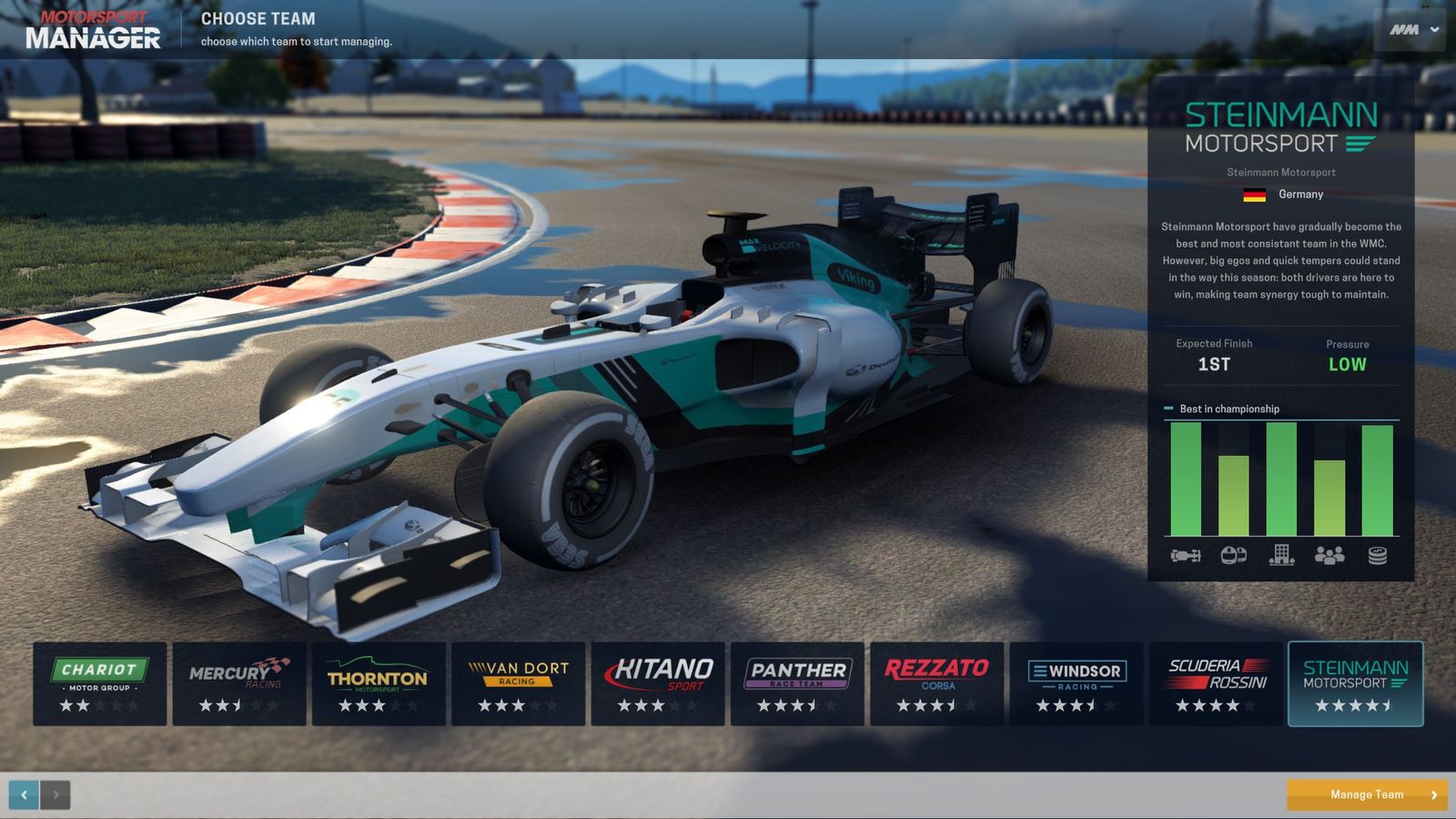
Study their past games. See how they react in different situations. This helps you predict their moves. Watch their patterns. Do they always attack first? Do they wait? Knowing this lets you stay one step ahead. Your team can then plan the best strategy. Use these insights to surprise them. Adapt quickly to their actions. This can lead to winning more games.
Credit: drivemag.com
Implementing Stats Into Practice
Effective team stats in video games help players improve strategies and coordination. Key metrics include kill/death ratios, assists, and objective captures.
Training Drills
Training drills help improve team performance. Each drill focuses on a specific skill. Stats can guide which skills need more practice. For example, if a team lacks in defense, drills can focus on blocking and dodging. Regular practice ensures that all team members improve. This makes the team stronger.
Review Sessions
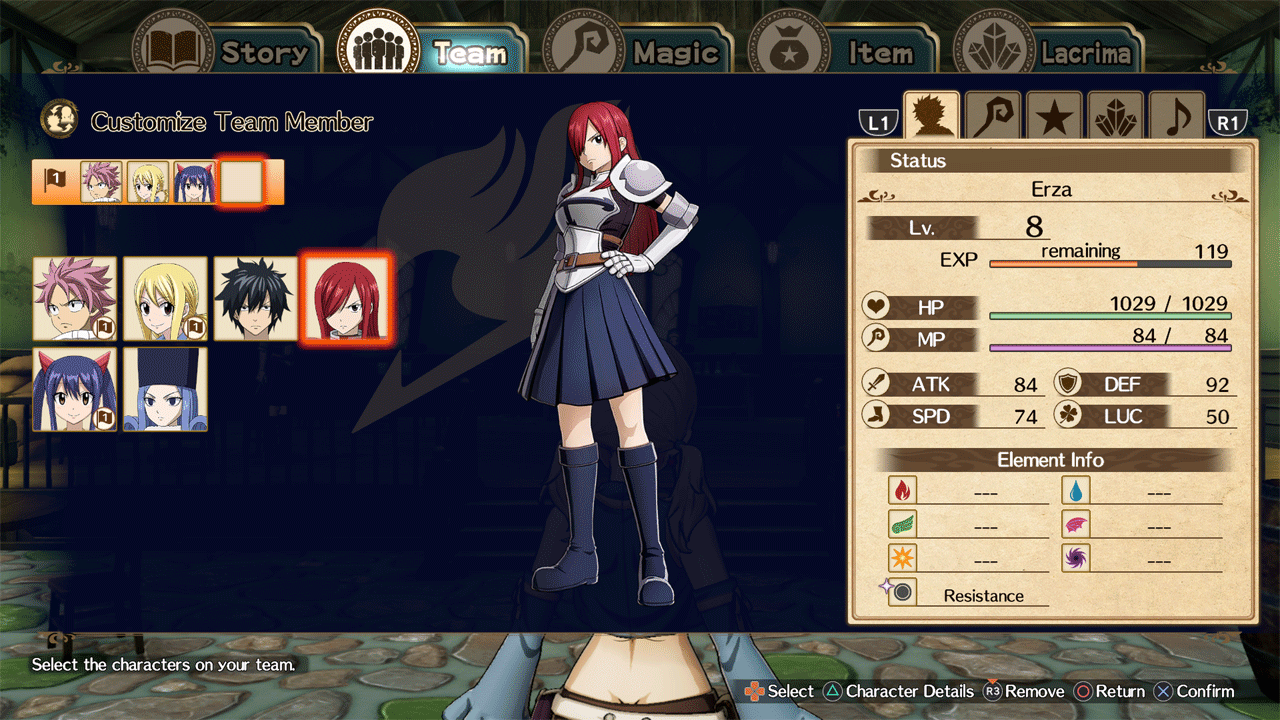
Review sessions are key for understanding mistakes. They help identify areas that need improvement. After each game, review the stats. Discuss what worked and what didn’t. Feedback helps players learn from errors. Consistent review builds a smarter team. This helps in future games.
Credit: www.koeitecmoamerica.com
Frequently Asked Questions
What Are The Key Team Stats In Video Games?
Key team stats include kill/death ratio, assists, win rate, and objectives captured.
How Do Team Stats Affect Gameplay?
Team stats show strengths and weaknesses. They guide strategies and improve teamwork.
Why Is Kill/death Ratio Important?
It shows player efficiency. High ratios often mean better performance and contribution.
What Does Win Rate Indicate?
Win rate shows how often a team wins. Higher rates indicate stronger teams.
How Do Assists Impact Team Stats?
Assists show teamwork. High assist counts mean players support each other effectively.
What Are Objectives Captured?
Objectives are goals in the game. Capturing them leads to winning.
How Can We Improve Team Stats?
Communicate well, practice together, and learn from past games.
Conclusion
Team stats are crucial for gaming success. They reveal strengths and weaknesses. Understanding these stats helps improve strategies. Better coordination leads to more wins. Tracking performance makes the team stronger. Regular analysis ensures growth. Stay informed and stay ahead. Team stats make a difference.
Be proactive. Make your gaming experience better. Happy gaming!