
Playing video games and watching TV are popular forms of entertainment. But they offer different experiences and benefits.
Both activities can be enjoyable and relaxing. Yet, they engage our minds and bodies differently. Video games often require interaction and quick thinking. In contrast, watching TV is a more passive activity. Understanding these differences can help you choose the right entertainment for your needs.
It can also provide insights into how each activity impacts your brain and overall well-being. In this blog post, we’ll explore these differences in detail. This will help you make informed choices about how you spend your free time.
Introduction To Entertainment Mediums
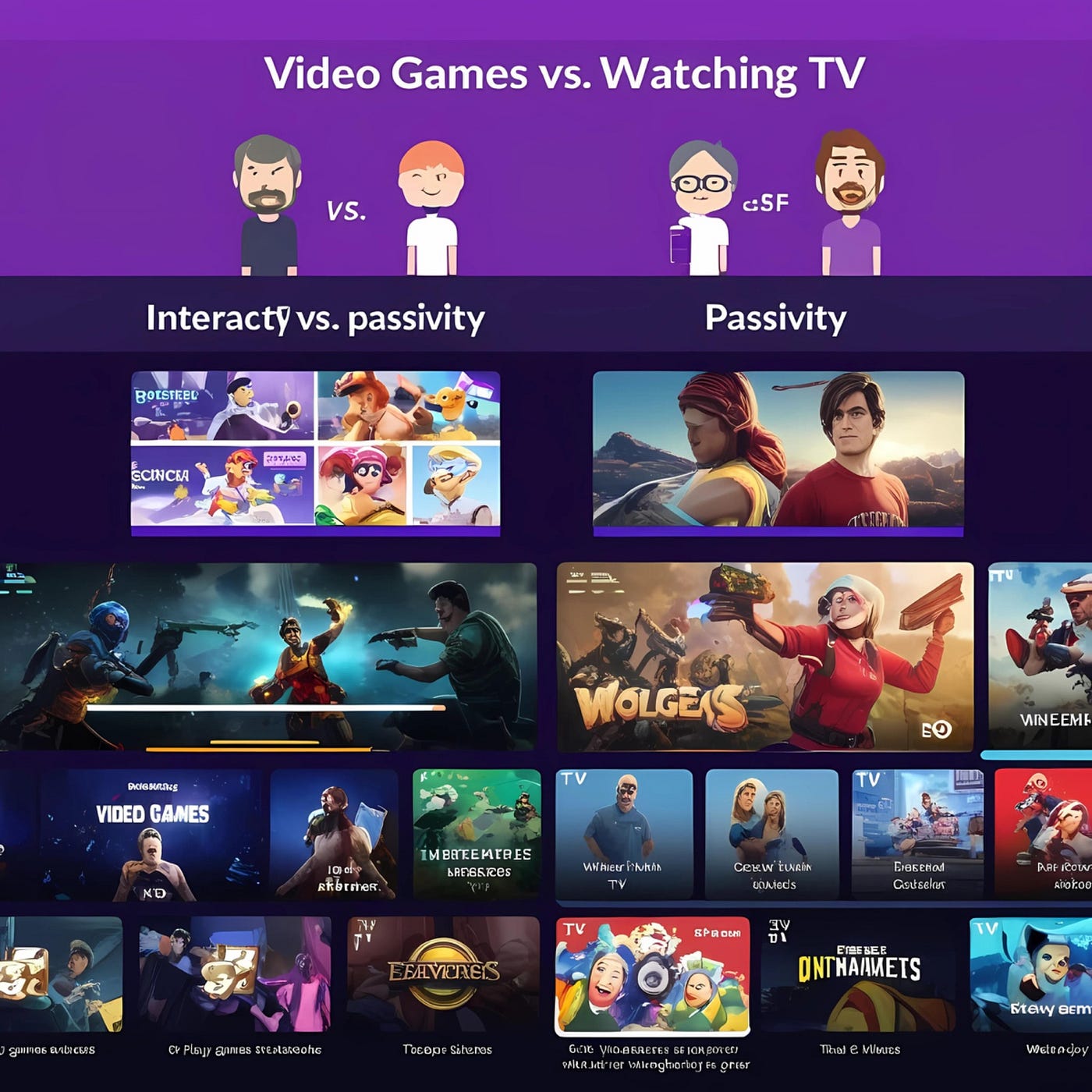
Video games are interactive. Players control characters or objects. There are goals to achieve. It often involves problem-solving. Players use consoles or computers. Video games can be played alone or with friends. They require active participation. This makes players feel part of the story.
Television is passive. Viewers watch shows or movies. No interaction is needed. It is a one-way experience. TV shows and movies tell stories. They entertain, inform, or educate. People watch TV on screens at home. It is often a relaxing activity. Families can watch together.
Credit: medium.com
Active Vs. Passive Engagement
Video games require you to make choices. You control characters and actions. This means you must think. Your brain stays active. It feels like you are inside the game. You solve puzzles. You fight battles. You work with others. This makes games interactive and fun.
Watching TV is different. You sit back and watch. Your brain does less work. You do not control what happens. You see what the show wants you to see. This is more passive. You might laugh or cry, but you do not change the story. You just observe.
Cognitive Benefits
Playing video games helps kids think. They solve problems in games. These problems can be hard. Kids need to plan. They must make quick decisions. This practice boosts their thinking skills. Games often have puzzles. Players learn to be patient. They try different strategies. This helps them in real life too. It’s like a brain workout.
TV shows can teach kids many things. Some shows are about nature. Others are about history. Kids learn facts by watching. They see new places. This is good for their knowledge. Educational shows are fun. They use stories and songs. This keeps kids interested. But TV is not interactive. Kids just watch. They do not solve problems.

Credit: www.ypulse.com
Social Interaction
Video games offer a chance to play with others. Multiplayer games let you talk and plan with friends. Online gaming connects you with people around the world. Interaction is key in these games. You need to work together to win. This helps you make new friends. It also teaches you teamwork. You feel part of a community.
Watching TV can also be social. Families and friends often watch shows together. You can talk about the show as you watch. This shared experience can bring people closer. Popular shows spark conversations. You might discuss them at school or work. This creates a sense of belonging. You feel connected to others who watch the same shows.
Health Impacts
Playing video games often involves physical activity. Some games use motion controls. Players may move their arms and legs. This helps burn calories. It can be a fun way to stay active. Not all games need movement. But many new games do. This can be good for muscle strength and coordination. It also helps with reaction time. Overall, gaming can be better for health than just sitting.
Watching TV often means sitting for long periods. People may sit for hours without moving. This can lead to a sedentary lifestyle. Sitting too much is bad for health. It can cause weight gain and muscle loss. It may also lead to back pain. TV does not usually need any physical activity. This makes it less healthy than gaming. It’s important to take breaks and move around.
Emotional And Psychological Effects
Playing video games can help reduce stress. Gamers focus on the game and forget their worries. Winning a game brings joy and satisfaction. Some games have challenges that make players feel proud when they succeed. This helps in feeling good about themselves.
Watching TV can also help in relaxing. People enjoy their favorite shows. It helps them escape from daily life. Funny shows make them laugh. This can improve their mood. Relaxing with TV is simple. Just sit and watch. No need to think much. It can be a good way to end the day.
Content Variety And Accessibility
Video games offer many genres. Players can enjoy action, adventure, sports, or strategy games. Each genre gives a unique experience. Some games involve solving puzzles. Others focus on building and crafting. Many games have stories that players can follow. This makes games exciting and engaging.
TV shows also have many types. Viewers can watch dramas, comedies, documentaries, or reality shows. Each show offers a different story. Some shows are educational. Others are just for fun. TV shows can be watched anytime. This makes them easy to access.

Credit: www.linkedin.com
Cost Considerations
Buying a gaming console can be pricey. A new console often costs hundreds of dollars. Then, you need games too. Each game can cost $60 or more. Don’t forget about controllers and other accessories. These add up quickly.
TV subscriptions are usually cheaper. Monthly subscriptions can be $10 to $20. Some people choose multiple services. This can increase costs. You also need a TV. But, many households already have one.
Time Investment
Playing video games involves interaction and decision-making, while watching TV is a passive activity. Gaming can enhance problem-solving skills and reflexes. TV watching, on the other hand, is more about absorbing information or entertainment.
Long Hours In Gaming Sessions
Playing video games often means spending long hours in front of the screen. Players can get deeply involved in the game. This can lead to extended periods of play. Many gamers lose track of time. They may play for hours without breaks. This can make gaming very time-consuming.
Binge-watching Tv Series
Watching TV series can also take up a lot of time. Many people watch multiple episodes in one sitting. This is called binge-watching. TV series often have many seasons. People may watch for several hours straight. This can also lead to long viewing sessions.
Future Trends
Gaming technology is growing fast. Virtual reality and augmented reality make games more real. AI in games is getting smarter. Graphics are now like real life. Multiplayer games connect people worldwide.
Television is also changing. Smart TVs offer apps and internet access. Streaming services give more options than cable. 4K and 8K TVs have very clear pictures. Voice control and AI make TV watching easier.
Frequently Asked Questions
What Is More Engaging, Video Games Or Tv Shows?
Video games are interactive, requiring active participation. TV shows are passive, involving just watching.
Do Video Games Improve Cognitive Skills?
Yes, video games can improve problem-solving, hand-eye coordination, and strategic thinking.
Is Watching Tv More Relaxing Than Playing Video Games?
Watching TV is often more relaxing as it requires less mental effort compared to video games.
Can Playing Video Games Be Social?
Yes, many video games offer multiplayer modes allowing social interaction with friends and other players.
How Does Screen Time Differ Between Video Games And Tv?
Video games often involve longer, continuous play sessions. TV watching can be more segmented with breaks.
Which Is Better For Kids, Video Games Or Tv?
Both have pros and cons. Video games can be educational and interactive, while TV can be more calming.
Are There Health Risks Associated With Both Activities?
Yes, long screen time for both can cause eye strain and sedentary lifestyle issues. Moderation is key.
Conclusion
Choosing between video games and TV depends on personal preference. Video games offer interactive experiences. They engage the mind and promote problem-solving. TV, on the other hand, provides passive entertainment. It’s great for relaxation and storytelling. Both have their unique benefits.
Balance is key. Spend time on both for a well-rounded leisure routine. Enjoy what you like best and stay entertained.