
Bitcoin Software has become a crucial tool for cryptocurrency enthusiasts. It helps manage and secure digital assets efficiently.
In the world of cryptocurrency, Bitcoin Software is essential. It allows users to store, send, and receive Bitcoin safely. With the rise of digital currencies, having reliable software is more important than ever. This blog post will explore the features and benefits of Bitcoin Software.
We’ll discuss how it works, its security features, and why you might need it. Whether you are new to Bitcoin or looking to upgrade your current software, this guide will provide valuable insights. Let’s dive into the world of Bitcoin Software and see what it offers.
Introduction To Bitcoin Software
Bitcoin software plays a crucial role in the world of cryptocurrency. It helps users manage their Bitcoin transactions and secure their digital assets. Understanding Bitcoin software is essential for anyone interested in cryptocurrency.
What Is Bitcoin Software?
Bitcoin software includes programs and applications for handling Bitcoin. This software allows users to send, receive, and store Bitcoin. It ensures the security and privacy of transactions.
There are different types of Bitcoin software:
- Wallet Software: Used to store and manage Bitcoin.
- Mining Software: Used to mine Bitcoin.
- Node Software: Maintains the Bitcoin network.
Each type serves a unique purpose in the Bitcoin ecosystem. Wallet software is the most common type used by everyday users.
Importance In Cryptocurrency
Bitcoin software is vital for the cryptocurrency world. It ensures safe and efficient transactions. Without it, managing Bitcoin would be nearly impossible.
Here are some key reasons why Bitcoin software is important:
- Security: Protects against theft and fraud.
- Efficiency: Makes transactions fast and easy.
- Transparency: Provides clear records of all transactions.
Security is the top priority. Bitcoin software uses advanced encryption to protect your assets. This ensures that only the owner can access their Bitcoin.
Efficiency is another critical factor. Bitcoin software allows transactions to be processed quickly. This is essential for a smooth user experience.
Transparency helps build trust in the Bitcoin network. Users can verify transactions through the blockchain. This open ledger ensures all transactions are accounted for.
In short, Bitcoin software is the backbone of the Bitcoin network. It ensures security, efficiency, and transparency for all users.

Credit: www.youtube.com
History And Evolution
The history and evolution of Bitcoin software is fascinating. It reveals how a simple idea transformed finance. Bitcoin started as a concept and grew into a revolutionary technology. This journey is marked by key milestones and significant advancements.
Early Development
Bitcoin’s story begins in 2008. An individual or group using the pseudonym Satoshi Nakamoto published a whitepaper. This document described a new form of digital currency. It was based on a technology called blockchain.
In January 2009, Nakamoto released the first Bitcoin software. This software enabled the creation and transfer of bitcoins. It also introduced the concept of mining. Early adopters mined bitcoins using their personal computers.
Key Milestones
- 2009: The first Bitcoin transaction occurred. Nakamoto sent 10 bitcoins to Hal Finney, a developer.
- 2010: Bitcoin gained monetary value. A programmer paid 10,000 bitcoins for two pizzas. This transaction highlighted Bitcoin’s potential as a currency.
- 2011: Bitcoin reached parity with the US dollar. This event marked Bitcoin’s recognition as a legitimate currency.
- 2013: Bitcoin’s market cap exceeded $1 billion. This milestone attracted significant media attention.
- 2017: Bitcoin’s price surged to nearly $20,000. This peak demonstrated the growing interest and investment in Bitcoin.
- 2020: Major companies started accepting Bitcoin as payment. This adoption signaled Bitcoin’s integration into mainstream finance.
Each milestone in Bitcoin’s history reflects its evolution and growing influence. From a concept to a widely accepted currency, Bitcoin’s journey is remarkable. The software has continually evolved, introducing new features and improvements. This evolution ensures Bitcoin remains relevant and valuable in the digital age.
Core Features
Bitcoin software is popular because of its unique and powerful features. These features help it stand out in the world of digital currencies. Let’s dive into the core features of Bitcoin software.
Security Protocols
Security is the backbone of Bitcoin software. It uses advanced encryption to protect user data. This makes transactions secure and trustworthy. Here are some key security protocols:
- Public and Private Keys: These keys ensure only the owner can access their funds.
- Two-Factor Authentication (2FA): Adds an extra layer of security during login.
- Secure Hash Algorithm (SHA-256): Ensures data integrity and security.
These protocols make Bitcoin a safe choice for digital transactions.
Decentralization Benefits
One of the main benefits of Bitcoin is its decentralization. No single entity controls it. This has several advantages:
- Transparency: All transactions are recorded on a public ledger called the blockchain.
- Reduced Fees: There are no middlemen, which lowers transaction costs.
- Global Accessibility: Anyone with internet access can use Bitcoin.
Decentralization promotes a fair and open financial system. It gives users control over their own money.
Popular Bitcoin Software
Bitcoin software plays a crucial role in the cryptocurrency ecosystem. It helps users manage their digital assets, mine new coins, and more. This section will cover popular Bitcoin software, focusing on wallets and mining tools.
Wallets
Bitcoin wallets are essential for storing and managing your digital coins. They come in various forms, each offering unique features and levels of security.
- Hardware Wallets: These are physical devices that store private keys offline. They are considered very secure. Examples include Ledger Nano S and Trezor.
- Software Wallets: These are applications you install on your computer or mobile device. They are convenient and user-friendly. Popular options include Electrum and Exodus.
- Online Wallets: Also known as web wallets, they can be accessed via a web browser. They are easy to use but less secure. Examples include Blockchain.info and Coinbase.
Mining Tools
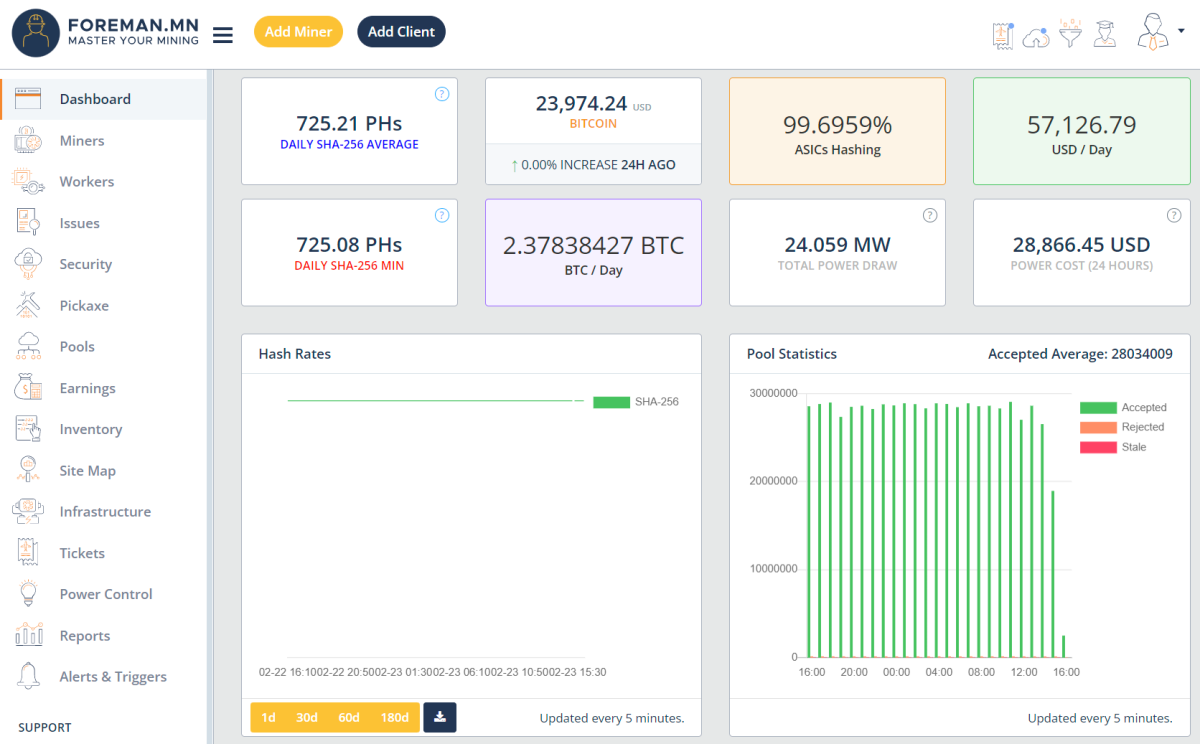
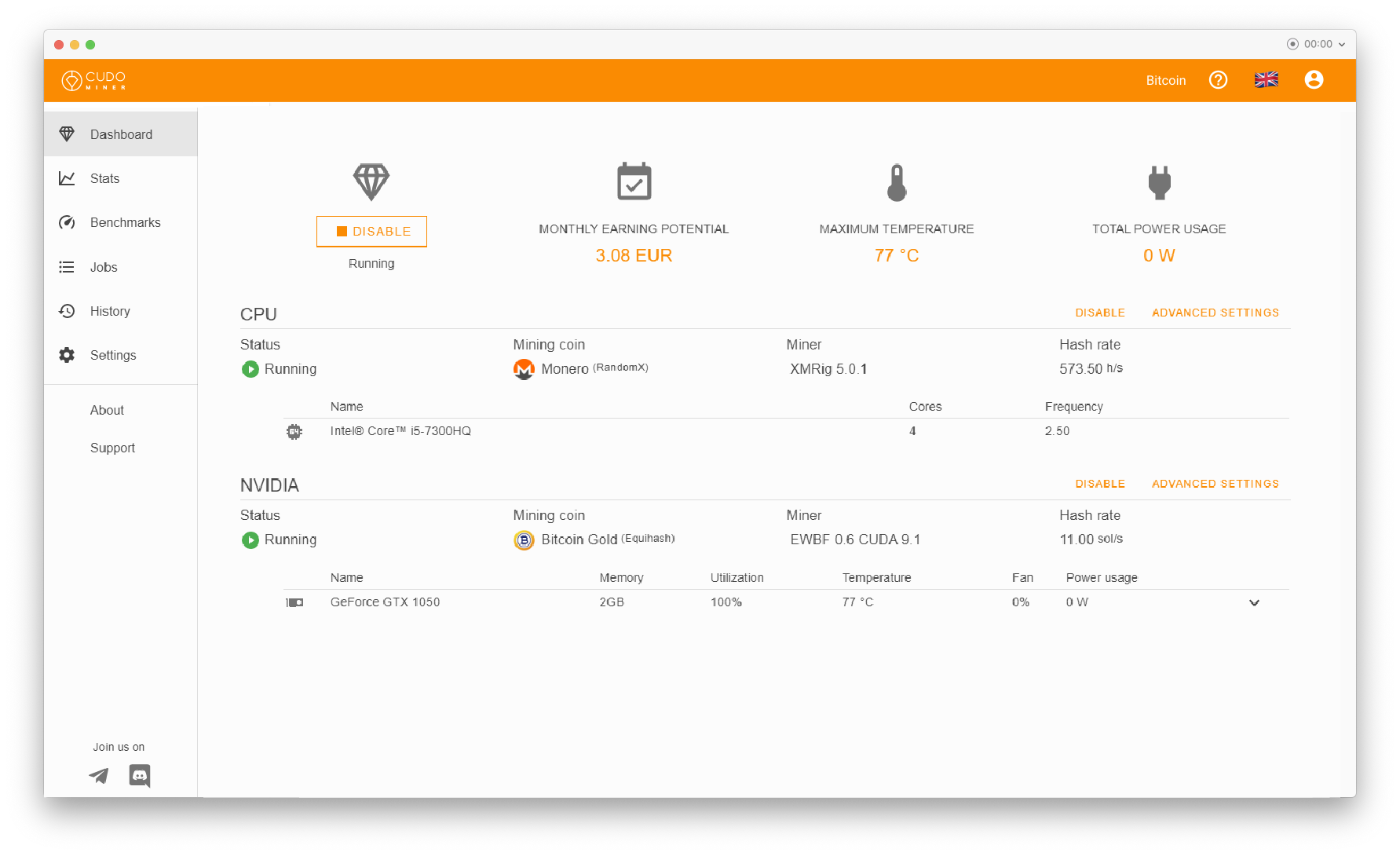
Mining tools are software programs used to mine new bitcoins. They enable users to validate transactions and secure the network.
- CGMiner: This is one of the most popular mining tools. It supports multiple platforms and has extensive configuration options.
- BFGMiner: This is a modular mining software. It is optimized for mining with CPUs, GPUs, and ASICs.
- EasyMiner: This is a user-friendly mining tool. It offers a graphical interface and supports multiple mining protocols.
Below is a comparison table of some popular Bitcoin wallets and mining tools:
| Software | Type | Features |
|---|---|---|
| Ledger Nano S | Hardware Wallet | High Security, Offline Storage |
| Electrum | Software Wallet | User-friendly, Fast Transactions |
| CGMiner | Mining Tool | Multiple Platform Support, Extensive Configurations |
| EasyMiner | Mining Tool | Graphical Interface, Multi-Protocol Support |
How Bitcoin Software Works
Bitcoin software operates on a unique system. This system ensures secure and transparent transactions. Understanding this involves diving into two key areas: blockchain technology and the transaction process.
Blockchain Technology
Blockchain is the backbone of Bitcoin. It is a digital ledger. This ledger records all Bitcoin transactions. Each transaction forms a block. These blocks link together, creating a chain. Hence the name blockchain. This chain is decentralized and stored across many computers. This makes it secure and hard to tamper with.
Transaction Process
The transaction process starts with a user. This user initiates a transaction. The software then creates a digital signature. This signature verifies the transaction. The transaction is then broadcast to the network. Here, miners validate it. Miners solve complex problems to add the transaction to the blockchain. Once validated, the transaction is confirmed. The user’s balance updates accordingly.
Credit: bitcoinmagazine.com
Advantages Of Using Bitcoin Software
Bitcoin software is a powerful tool that can help you manage and grow your digital assets. It offers several advantages that make it an attractive choice for users. Let’s explore some of these benefits.
Transparency
One of the major advantages of using Bitcoin software is transparency. Every transaction made is recorded on a public ledger called the blockchain.
This means anyone can view these transactions. It ensures a high level of trust and security. Fraud is almost impossible. This transparency helps you track and verify all your transactions.
Low Transaction Fees
Another key advantage is the low transaction fees. Traditional banking systems often charge high fees for transfers. Bitcoin software, on the other hand, has much lower costs.
This is especially beneficial for international transactions. Users can send money to anyone, anywhere, at a fraction of the cost. This makes Bitcoin a more affordable option.
Challenges And Limitations
Bitcoin software has revolutionized the financial landscape. It offers decentralized transactions and security. Despite its benefits, it faces several challenges and limitations that need addressing.
Scalability Issues
One of the significant challenges for Bitcoin software is scalability. As more users join the network, transaction times increase. The blockchain processes a limited number of transactions per second. This limitation slows down the system.
To illustrate, Visa processes around 1,700 transactions per second. Bitcoin handles only about seven. This gap creates delays and reduces efficiency. Developers are working on solutions, but progress is slow.
Regulatory Concerns
Bitcoin operates in a gray area of the law in many countries. Governments are concerned about its use in illegal activities. This makes it challenging for Bitcoin to gain widespread acceptance.
Here is a summary of some common regulatory concerns:
| Concern | Details |
|---|---|
| Money Laundering | Bitcoin can be used to launder money due to its anonymity. |
| Tax Evasion | Users may avoid taxes by hiding transactions. |
| Lack of Consumer Protection | Bitcoin transactions are irreversible, posing risks for users. |
These concerns have led to a cautious approach by many governments. Regulations vary, creating an uncertain environment for Bitcoin users.
Credit: www.cudominer.com
Future Prospects
The future of Bitcoin software holds great potential. With rapid advancements, the landscape is evolving quickly. In this section, we explore the future prospects. Focus will be on technological innovations and market adoption.
Technological Innovations
Bitcoin software is continuously improving. New technological innovations are making transactions faster and more secure. One major advancement is the implementation of the Lightning Network. This layer two solution aims to enable instant payments.
Another exciting development is the integration of smart contracts. These self-executing contracts with the terms directly written into code can automate transactions. They reduce the need for intermediaries. This can save time and lower costs.
Furthermore, advancements in privacy features are enhancing user security. Technologies like CoinJoin and Confidential Transactions are helping to obscure transaction details. This makes it harder to trace transactions, protecting user privacy.
Market Adoption
Market adoption of Bitcoin software is increasing. More businesses are accepting Bitcoin as a payment method. Major companies like Microsoft and Overstock are leading the way. This trend indicates growing trust in Bitcoin’s value.
Additionally, the number of Bitcoin ATMs is rising. These ATMs allow users to buy and sell Bitcoin easily. According to CoinATMRadar, there are over 20,000 Bitcoin ATMs worldwide.
Governments are also showing interest. Countries like El Salvador have adopted Bitcoin as legal tender. This adoption can pave the way for other nations to follow. More countries could integrate Bitcoin into their economies.
Furthermore, financial institutions are exploring Bitcoin investments. Companies like Grayscale and MicroStrategy are heavily investing in Bitcoin. Their involvement brings more legitimacy to the market.
Frequently Asked Questions
What Is Bitcoin Software?
Bitcoin software allows users to manage and transact Bitcoin. It includes wallets, mining software, and full nodes.
How Does Bitcoin Software Work?
Bitcoin software verifies transactions through blockchain technology. It uses cryptographic keys for security and ensures decentralization.
Is Bitcoin Software Secure?
Yes, Bitcoin software uses advanced cryptography. It provides secure transactions and ensures user data protection.
Can I Mine Bitcoin With Software?
Yes, you can mine Bitcoin using specialized mining software. It requires powerful hardware and consumes significant energy.
Conclusion
Bitcoin software continues to evolve, shaping the future of digital currency. Users gain more control and security. It’s essential to stay updated on the latest developments. Choosing the right software can impact your experience greatly. Always research and select trustworthy options.
Bitcoin’s potential is vast and exciting. Engaging with the right tools can enhance your journey. Keep learning and exploring this dynamic field. The future of finance is digital, and Bitcoin plays a big role. Stay informed, stay secure, and make the most of Bitcoin software.