
Apple’s share of the smartphone market has always been a hot topic. It reflects trends and consumer preferences globally.
This post dives deep into Apple’s market presence. Apple has established itself as a key player in the smartphone industry. With its sleek designs and innovative features, Apple continues to attract millions of users worldwide. Understanding Apple’s market share is essential for grasping the dynamics of the tech world.
It shows how consumer tastes evolve and how competition shapes up. This insight also helps investors make informed decisions. Stay with us as we explore the factors behind Apple’s market share. We’ll look at how it compares to other brands and what the future may hold. This journey into Apple’s market presence promises to be enlightening and informative.

Credit: www.reuters.com
Market Share Overview
Apple continues to be a major player in the smartphone market. Its market share reflects its strong position. This section delves into the current statistics and historical data of Apple’s smartphone market share.
Current Statistics
Apple holds a significant portion of the smartphone market. Recent data shows Apple controls around 15% of the global market. This figure is impressive considering the competition. Many other brands are vying for consumer attention.
In the United States, Apple dominates. It has a market share of over 50%. This dominance is due to its strong brand loyalty. Many users prefer iOS over other operating systems.
Historical Data
Apple’s market share has seen various changes over the years. In 2007, Apple introduced the first iPhone. This release marked a new era in smartphones. It quickly gained popularity. By 2010, Apple had a market share of about 14%.
The years following saw a steady increase. In 2015, Apple’s market share peaked at around 20%. This peak was driven by the success of the iPhone 6. It was one of the best-selling models.
Recently, Apple has maintained a stable market share. It fluctuates between 15% and 20%. This stability is a testament to its strong product line. New releases continue to attract users.
Factors Influencing Dominance
Apple’s dominance in the smartphone market is no accident. Several factors contribute to its strong position. Two key factors are brand loyalty and ecosystem integration. Let’s explore these factors in detail.
Brand Loyalty
Brand loyalty is a significant factor for Apple. Apple has built a strong, loyal customer base. Users often stick with Apple products for years. Why? Because they trust the brand. They value the consistent quality and innovation Apple offers. This loyalty translates into repeat purchases and recommendations.
Here are some reasons for Apple’s strong brand loyalty:
- Quality and Reliability: Apple devices are known for their high quality.
- Customer Service: Apple offers excellent customer support.
- Innovative Features: Apple frequently introduces cutting-edge technology.
- Consistent Updates: Regular software updates keep devices current and secure.
Ecosystem Integration
Another critical factor is ecosystem integration. Apple creates a seamless experience across its devices. This ecosystem includes iPhones, iPads, MacBooks, Apple Watch, and more. Users enjoy the convenience of interconnected devices.
Here’s how Apple’s ecosystem benefits users:
- Seamless Connectivity: Devices work together effortlessly.
- Unified Experience: Consistent user interface across all devices.
- Cross-Platform Features: Features like Handoff and AirDrop enhance productivity.
- Exclusive Services: Apple services like iCloud and Apple Music integrate smoothly.
The combination of brand loyalty and ecosystem integration keeps Apple at the forefront of the smartphone market. These factors not only attract new users but also retain existing ones, ensuring continued growth and success.
Competitor Analysis
Understanding the competitive landscape is crucial for evaluating Apple’s share of the smartphone market. By analyzing competitors, we can see where Apple stands and how it competes. This section focuses on key competitors like Samsung and other major players.
Samsung
Samsung is Apple’s main competitor in the smartphone market. The South Korean company offers a wide range of devices. From budget phones to high-end models, Samsung covers all price points. Their Galaxy series is popular worldwide. Samsung’s innovation in display technology and design also sets them apart. Despite strong competition, they maintain a significant market share.
Other Key Players
Other companies also challenge Apple’s position. Huawei is a major player, especially in China. Though facing restrictions in some regions, they still hold a large market share. Xiaomi is another important competitor. Known for affordable yet high-quality devices, Xiaomi has gained a strong following. Oppo and Vivo are popular too, offering innovative features and competitive prices. Each of these companies contributes to a dynamic and competitive market.
Geographical Trends
Apple’s dominance in the smartphone market varies across different regions. Understanding these geographical trends helps in grasping the overall market dynamics. Let’s explore how Apple fares in different parts of the world.
North America
In North America, Apple holds a significant share of the smartphone market. The brand loyalty is strong. Many users prefer the seamless integration with other Apple products. The latest iPhone models often see high demand. U.S. and Canada are key markets for Apple. Competitive pricing also helps in driving sales.
Europe
Apple’s market share in Europe is also impressive. Countries like the UK, Germany, and France show a strong preference for iPhones. The brand’s focus on security and privacy appeals to many European users. Apple stores across major cities boost its presence. The availability of local apps in the App Store increases user satisfaction.
Asia
Asia presents a diverse market for Apple. In China, Apple faces tough competition from local brands. Yet, the iPhone remains a status symbol for many. In Japan, Apple’s market share is high. Many consumers appreciate the quality and design. Other Asian countries show varying degrees of adoption. Affordability and local preferences play a big role.
Innovation And Technology
Apple’s share of the smartphone market is significant. This success is largely due to their focus on innovation and technology. Apple constantly pushes boundaries to offer unique and advanced products. Let’s explore how product innovation and technological advancements contribute to their market share.
Product Innovation
Apple is known for its groundbreaking products. From the first iPhone to the latest models, each release brings something new. Their products are designed with user experience in mind.
- Design: Sleek and modern designs set Apple apart.
- Features: Each new model includes improved features.
- Usability: Apple products are known for their ease of use.
Apple’s innovations have set trends in the tech industry. They often lead the way with new technologies. This keeps their products in high demand.
Technological Advancements
Apple invests heavily in research and development. This ensures they stay ahead of the competition. Each year, they introduce new technologies that enhance their products.
Examples of these advancements include:
- Face ID: Secure and convenient facial recognition technology.
- Retina Display: High-resolution displays for better visuals.
- 5G Connectivity: Faster internet speeds for improved performance.
These technologies improve the user experience. They make Apple products more appealing to consumers. As a result, Apple maintains a strong presence in the smartphone market.
Apple’s focus on innovation and technology drives their success. Their commitment to creating cutting-edge products keeps them at the forefront of the industry.
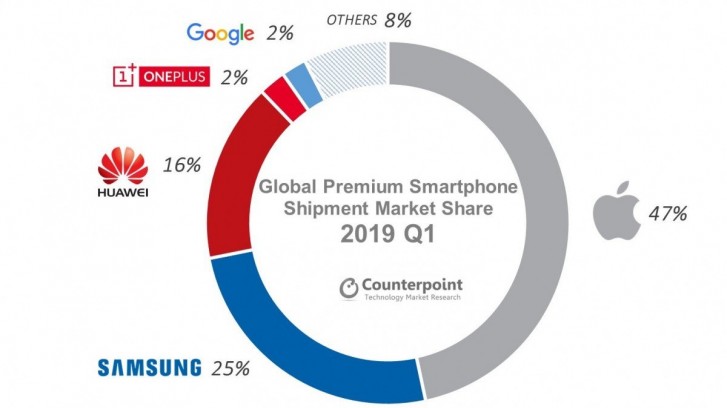
Credit: www.gsmarena.com
Marketing Strategies
Apple’s marketing strategies have always been a cornerstone of its success in the smartphone market. The company employs a combination of advertising campaigns and retail strategies to maintain its competitive edge. These methods help Apple attract and retain a loyal customer base, ensuring steady growth and dominance in the market.
Advertising Campaigns
Apple’s advertising campaigns are known for their creativity and impact. The company often uses simple, yet powerful messages that resonate with audiences worldwide. Each campaign highlights the unique features of the iPhone, making it stand out from competitors.
TV commercials, online ads, and social media posts all play a role. Apple ensures its ads reach a broad audience, sparking interest and excitement. This multi-platform approach ensures maximum visibility and engagement, driving sales.
Retail Strategies
Apple’s retail strategies are another key component of its marketing success. The company’s retail stores offer a unique shopping experience. Customers can try products, receive expert advice, and participate in workshops.
These stores are designed to be welcoming and user-friendly. The layout and design encourage customers to spend time exploring the products. This hands-on experience often leads to increased customer satisfaction and loyalty.
Apple also invests in training its staff to be knowledgeable and helpful. This ensures customers receive top-notch service, whether in-store or online. Excellent customer service further enhances the brand’s reputation, driving repeat business.
Consumer Preferences
Consumer Preferences play a crucial role in shaping the smartphone market. Apple has maintained a significant share due to its understanding of what consumers value most. The focus on user experience and product design has set Apple apart from its competitors. Let’s dive deeper into these aspects.
User Experience
Apple’s user experience is often cited as one of the best. The iOS operating system is smooth and easy to use. This simplicity appeals to a wide range of users. Apple ensures that their devices work seamlessly together. This ecosystem creates a cohesive experience. Users appreciate the reliability and performance of Apple devices.
The App Store offers a vast selection of applications. This variety meets diverse user needs. Regular updates keep the system secure and up-to-date. Customer support is another key factor. Apple provides excellent service through its stores and online platforms. This attention to user experience helps retain loyal customers.
Product Design
Apple’s product design is iconic. The sleek and minimalist design appeals to many. The use of high-quality materials ensures durability. Apple devices often set trends in the industry. The design is not just about looks. It also focuses on functionality.
Every detail is carefully considered. The placement of buttons, the screen size, and the overall feel in hand are all optimized. This attention to detail enhances the user experience. Consumers value the aesthetics and practicality of Apple products. This combination helps Apple maintain a strong market presence.

Credit: www.statista.com
Future Projections
Apple’s share of the smartphone market is expected to grow steadily. Experts predict increased demand for Apple’s innovative products.
Apple’s share of the smartphone market is always a topic of interest. With new models and innovations, the future projections for Apple are intriguing. Let’s explore the upcoming trends and market predictions for Apple’s smartphone segment.Upcoming Trends
Apple plans to release new features in its upcoming smartphones. These features will likely include enhanced cameras and better battery life. The company is also focusing on integrating 5G technology in more models. This could attract more customers looking for fast internet speeds. Another trend is the expansion of the Apple ecosystem. More services and products are being linked to iPhones. This could increase user loyalty and boost sales.Market Predictions
Experts predict Apple’s market share will grow in the next few years. Increased demand for 5G phones will play a significant role. Apple’s strong brand and loyal customers will also drive growth. Emerging markets are another area of potential growth. As more people in these regions buy smartphones, Apple could see increased sales. Analysts also expect Apple to maintain its premium pricing strategy. This helps keep profit margins high. The company’s focus on innovation and quality will likely continue to attract customers. In summary, the future looks promising for Apple’s smartphone market share. With ongoing innovations and a loyal customer base, growth seems inevitable. “`Frequently Asked Questions
What Is Apple’s Current Share Of The Smartphone Market?
Apple’s current share of the smartphone market is approximately 23%. This figure can vary based on the region and quarter.
How Does Apple’s Market Share Compare To Competitors?
Apple’s market share is strong, often second to Samsung. It consistently outperforms other competitors like Xiaomi and Huawei.
Has Apple’s Market Share Increased Recently?
Yes, Apple’s market share has seen growth recently. New iPhone releases and strong brand loyalty contribute to this increase.
What Factors Influence Apple’s Market Share?
Apple’s market share is influenced by product innovation, marketing, and consumer loyalty. Seasonal releases and competitive pricing also play a role.
Conclusion
Apple’s share of the smartphone market continues to impress. Their sleek designs and user-friendly interface attract millions worldwide. The integration of hardware and software sets them apart. Competitors constantly try to catch up. Apple remains a dominant player. The future looks bright with new innovations on the horizon.
Consumers eagerly await the next iPhone release. Apple’s market position seems secure for now. The company’s commitment to quality keeps customers loyal. Stay tuned for more updates on Apple’s market journey.