
Shopify is a leading e-commerce platform that allows businesses to create and manage online stores easily. It offers numerous tools for customization, payment processing, and marketing.
Shopify’s user-friendly interface and robust features make it an excellent choice for entrepreneurs and established businesses alike. The platform supports various sales channels, including social media and marketplaces, helping you reach a broader audience. It also provides powerful analytics and SEO tools to optimize your store’s performance and visibility.
With a vast range of customizable templates, you can create a professional-looking online store that reflects your brand. Additionally, Shopify’s extensive app store allows you to enhance your store’s functionality with various add-ons, ensuring a seamless shopping experience for your customers.
Introduction To E-commerce Success
E-commerce has revolutionized how we buy and sell products. Online stores provide convenience and a vast array of choices. Entrepreneurs now have the tools to reach a global audience. This section explores the path to e-commerce success.
The E-commerce Landscape
The e-commerce landscape is dynamic and ever-changing. Technology advances at a rapid pace. Businesses must adapt to stay competitive. They face challenges like market saturation and changing consumer preferences. Yet, opportunities abound for those with innovative strategies.
| Aspect | Description |
|---|---|
| Market Size | Billions of dollars and growing yearly. |
| Consumer Reach | Global audience, accessible from anywhere. |
| Technology | Advanced tools for marketing and sales. |
Why E-commerce Matters
E-commerce offers unparalleled advantages. It allows small businesses to compete with giants. The overhead costs are lower compared to physical stores. It provides customers with convenience and variety. Businesses can operate 24/7 and reach a global audience.
- Lower operational costs
- Wider customer reach
- 24/7 availability
- Data analytics for better decision-making
The benefits of e-commerce are clear. It levels the playing field for businesses of all sizes. Success requires understanding the landscape and leveraging technology effectively.
Choosing The Right Platform
Choosing the right e-commerce platform is crucial for your online store. The platform you select can affect your store’s success and growth. It’s important to consider various factors before making a decision.
Comparing Top Platforms
There are many e-commerce platforms available today. Each offers unique features and benefits. The table below compares some of the top platforms:
| Platform | Ease of Use | Customization | Cost |
|---|---|---|---|
| Shopify | Very Easy | High | Moderate |
| WooCommerce | Moderate | Very High | Low |
| BigCommerce | Easy | High | High |
Benefits Of Shopify
Shopify offers many benefits for online store owners. Below are some key advantages:
- Ease of Use: Shopify is user-friendly and easy to set up.
- Customization Options: You can customize your store to match your brand.
- Secure and Reliable: Shopify provides a secure environment for transactions.
- 24/7 Support: Shopify offers round-the-clock customer support.
- App Integrations: You can enhance your store with various apps.
Building Your Online Store
Building an online store with Shopify is exciting. It’s your chance to create something unique and powerful. With Shopify, you can customize your store to reflect your brand. Let’s explore how to design and enhance user experience.
Design And Customization
Shopify offers a range of themes. Choose one that matches your brand. You can customize colors, fonts, and layouts. The drag-and-drop editor makes it easy. No coding skills needed. Here are some design tips:
- Keep your design simple and clean.
- Use high-quality images for products.
- Ensure your logo is visible and clear.
- Choose a color scheme that aligns with your brand.
Use the tags to add keywords. This helps search engines find your store. Add alt text to images for better SEO.
User Experience Tips
User experience is key to your store’s success. Make sure your site is easy to navigate. Here are some tips:
- Use clear and concise product descriptions.
- Include a search bar for easy product finding.
- Ensure fast loading times.
- Make your store mobile-friendly.
Provide multiple payment options. This makes it easy for customers to buy. Add customer reviews for social proof. This builds trust and boosts sales.
Always test your store. Use tools like Google Analytics. They help you understand how users interact with your site. Make adjustments based on data.

Credit: ecomposer.io
Optimizing Product Listings
Enhancing your product listings can boost your sales on platforms like Shopify. Let’s explore key elements for success.
Effective Product Descriptions
An effective product description should be clear and concise. Use simple words to describe the product. Highlight key features and benefits. Make your description easy to read.
Here’s a quick template for writing descriptions:
| Element | Example |
|---|---|
| Product Name | Stainless Steel Water Bottle |
| Key Features |
|
| Benefits | Keeps drinks cold for 24 hours |
Use bullet points for features. Make your description easy to scan. This helps customers decide quickly.
High-quality Images
Images play a crucial role in e-commerce. Ensure your images are high-quality. Use professional photos if possible. Clear images attract more customers.
- Use multiple angles of the product
- Include zoom functionality
- Show the product in use
Adding multiple images provides a better view. This makes the product more appealing.
Here’s an example of an image setup:


Alt text helps with SEO. It also makes your site accessible. Always add descriptive alt text to your images.
Following these tips will improve your product listings on Shopify. Enhanced listings attract more buyers. Start optimizing today!
Implementing Marketing Strategies
To succeed in the competitive world of e-commerce, implementing effective marketing strategies is crucial. Whether you’re using Shopify or another platform, understanding and applying key marketing tactics can drive traffic and boost sales. This section will delve into two essential strategies: SEO Best Practices and Social Media Marketing.
Seo Best Practices
Search Engine Optimization (SEO) helps improve your website’s visibility on search engines. Here are some key practices:
- Keyword Research: Find relevant keywords for your products.
- On-Page SEO: Use keywords in titles, meta descriptions, and headers.
- Quality Content: Create informative and engaging content for users.
- Mobile Optimization: Ensure your site is mobile-friendly.
- Page Speed: Optimize images and code to load pages faster.
Social Media Marketing
Social media platforms offer a great way to reach and engage with your audience. Consider these tips:
- Platform Selection: Choose platforms where your audience is active.
- Consistent Branding: Use the same logo, colors, and voice across profiles.
- Content Strategy: Share a mix of promotional and engaging content.
- Engagement: Respond to comments and messages promptly.
- Analytics: Track performance and adjust strategies as needed.
Implementing these marketing strategies can significantly improve your Shopify store’s performance. Stay consistent, monitor results, and make data-driven decisions for the best outcomes.

Credit: www.nexcess.net
Enhancing Customer Engagement
Engaging customers is key to a successful online store. Shopify offers many tools to boost customer interaction. These tools can help build loyalty and increase sales. Here are some ways Shopify enhances customer engagement:
Personalized Shopping Experience
Customers love a personalized shopping experience. Shopify allows store owners to tailor their offerings. Based on customer behavior, suggestions can be made. For instance, if a customer buys a shirt, suggest matching pants.
Personalization can also be achieved through:
- Personalized email marketing campaigns
- Product recommendations based on past purchases
- Dynamic content on the homepage
Customer Support Solutions
Good customer support is vital. Shopify offers various customer support solutions. These include live chat, email support, and phone support.
Here’s a comparison of support options:
| Support Type | Availability | Response Time |
|---|---|---|
| Live Chat | 24/7 | Instant |
| Email Support | 24/7 | Within 24 hours |
| Phone Support | Business hours | Within 1 hour |
Effective support leads to happy customers. Happy customers often return and buy more.
Managing Payments And Security
Managing payments and security is critical for any online store. Customers must feel safe to complete their purchases. This section covers secure payment gateways and fraud prevention techniques, ensuring your Shopify store remains protected.
Secure Payment Gateways
Choosing a secure payment gateway is vital. It protects your customers’ financial data. Shopify supports multiple trusted payment gateways like PayPal, Stripe, and Authorize.net.
- PayPal: Widely trusted and easy to set up.
- Stripe: Offers seamless integration and robust security features.
- Authorize.net: Provides advanced fraud detection and security tools.
Each gateway encrypts transaction data, ensuring secure payments. Ensure your chosen gateway complies with PCI DSS standards.
Fraud Prevention Techniques
Implementing fraud prevention techniques helps protect your store from unauthorized transactions. Shopify offers several built-in tools to safeguard your business.
- Shopify Fraud Protection: Automatically reviews and flags suspicious orders.
- Address Verification System (AVS): Confirms billing address matches cardholder’s address.
- Card Verification Value (CVV): Requires the CVV code to complete transactions.
Using these techniques reduces the risk of fraud. Keep your business and customers safe.
Below is a table summarizing key points:
| Feature | Description |
|---|---|
| Secure Payment Gateways | PayPal, Stripe, Authorize.net |
| Fraud Prevention Techniques | Shopify Fraud Protection, AVS, CVV |
Implementing secure payment gateways and fraud prevention techniques is essential. It builds trust and ensures a safe shopping experience.
Analyzing Sales And Performance
Analyzing sales and performance is crucial for any Shopify store. It helps you understand your store’s health and growth. You can make informed decisions based on this data.
Key Metrics To Track
Tracking key metrics is essential for understanding your store’s performance. Here are some important metrics to consider:
- Sales Revenue: Total income from sales.
- Conversion Rate: Percentage of visitors who make a purchase.
- Average Order Value (AOV): Average spend per transaction.
- Customer Lifetime Value (CLV): Total revenue from a customer over time.
- Cart Abandonment Rate: Percentage of carts abandoned before purchase.
Using Analytics Tools
Shopify offers various tools to analyze your store’s data. These tools help you track important metrics.
Some useful analytics tools include:
- Shopify Analytics: Built-in tool for sales and traffic reports.
- Google Analytics: Detailed insights on visitor behavior.
- Hotjar: Heatmaps and session recordings.
- Klaviyo: Email marketing and customer data.
Using these tools can help you optimize your store. You can identify areas for improvement and increase your sales.
| Tool | Purpose |
|---|---|
| Shopify Analytics | Sales and traffic reports |
| Google Analytics | Visitor behavior insights |
| Hotjar | Heatmaps and session recordings |
| Klaviyo | Email marketing and customer data |
Scaling Your E-commerce Business
Scaling your e-commerce business can be exciting. It means more customers and higher sales. But it also comes with challenges. You need to be smart and strategic. Let’s explore how to scale your business effectively.
Expanding Product Range
To scale your business, consider expanding your product range. Adding new products can attract more customers. It can also increase sales from existing customers.
- Research market trends
- Analyze customer feedback
- Test new products
Start small with new products. Test them in your market. Gather feedback and make improvements.
Exploring New Markets
Exploring new markets is another way to scale. New markets can mean new customers and more sales. You can start by looking at other regions or countries.
- Study the market demand
- Understand cultural differences
- Adapt your marketing strategy
You may need to adjust your products for new markets. This could mean changing sizes, colors, or even features.
Expanding to new markets also means dealing with new regulations. Make sure you understand and comply with local laws.
Scaling your e-commerce business can be rewarding. By expanding your product range and exploring new markets, you can achieve growth.
Staying Ahead Of Trends
In the fast-paced world of e-commerce, staying updated is crucial. Shopify is a leader in this space. It provides tools to stay ahead of trends. This section focuses on how Shopify helps you remain trendy and relevant.
Adapting To Changes
The e-commerce landscape changes rapidly. New technologies and customer behaviors emerge. Shopify offers features that help businesses adapt. Regular updates ensure you have the latest tools. This includes new payment options and marketing tools.
Shopify’s app store is vast. It offers plugins for every need. From SEO tools to email marketing, you find it all. This helps you keep up with the latest trends. It also ensures your store runs smoothly.
Future-proofing Strategies
Future-proofing your business is essential. Shopify provides several strategies to help. For instance, it offers scalable solutions. As your business grows, Shopify grows with you. This means you won’t outgrow the platform.
Another key feature is its analytics. Shopify provides detailed reports. You can track sales, customer behaviors, and marketing efforts. This data helps you plan for the future. It ensures you make informed decisions.
| Feature | Benefit |
|---|---|
| Regular Updates | Always have the latest tools and features. |
| App Store | Access to a wide range of plugins. |
| Scalable Solutions | Grow your business without platform constraints. |
| Analytics | Make data-driven decisions for future growth. |
Credit: www.cloudways.com
Frequently Asked Questions
What Are Alternatives To Shopify?
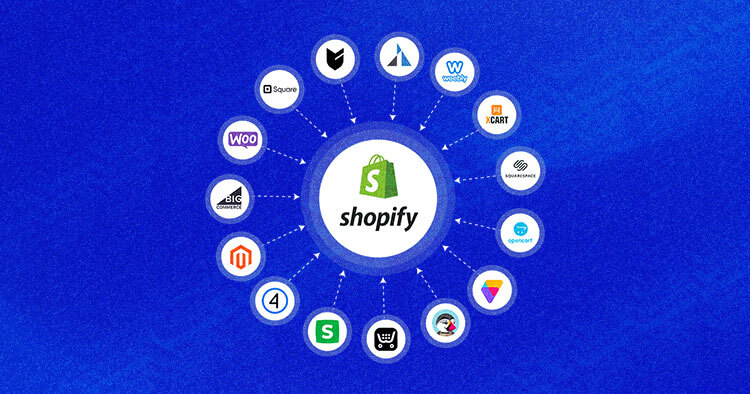
Alternatives to Shopify include WooCommerce, BigCommerce, Magento, Wix, Squarespace, and Volusion. These platforms offer various features for online stores.
Who Is Shopify’s Biggest Competitor?
Shopify’s biggest competitor is WooCommerce. It is a popular e-commerce platform built on WordPress, offering extensive customization.
What App Is Similar To Shopify?
BigCommerce is similar to Shopify. It offers robust eCommerce solutions and customizable templates for online stores.
What Is The Best Online Sales Platform?
Shopify is the best online sales platform. It offers user-friendly tools, excellent customer support, and robust features for all business sizes.
What Is Shopify Used For?
Shopify is used for creating online stores to sell products and services.
How Does Shopify Work?
Shopify provides tools to build, manage, and grow an online store with ease.
Is Shopify Good For Beginners?
Yes, Shopify is user-friendly and great for beginners starting an online business.
Conclusion
Choosing a platform like Shopify can elevate your e-commerce business. Its features are user-friendly and scalable. Shopify simplifies online store management and boosts sales. Explore its capabilities to enhance your business growth. Make the smart choice and watch your e-commerce venture thrive.